
How To
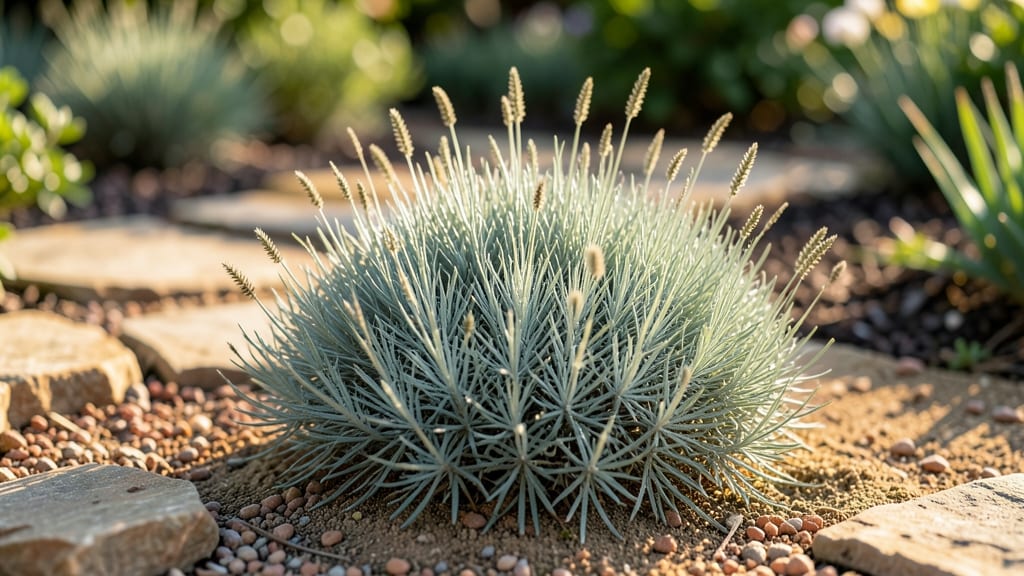
If you're wondering how tall does dwarf fescue grow, you're about to discover why this grass is a game-changer for small spaces and low-maintenance lawns.
Unlike its taller cousins, dwarf fescue tops out at just 3-5 inches, making it perfect for tight yards, slopes, or even container gardens where height matters.
This compact 🌱 variety stays lush without the constant mowing, saving you time and effort. Whether you're in USDA Zone 6a or beyond, its steady growth pattern means you won’t be chasing a runaway lawn.
The key to keeping it at its ideal height lies in proper spacing and seasonal care.
Let’s break down what you can expect from its growth habits and how to maintain that perfect, manageable stature. From planting tips to mowing secrets, you’ll learn everything to keep your dwarf fescue looking sharp all season long.
Ready to transform your lawn into a low-effort, high-impact space? The answers start with understanding its natural growth—so let’s get into the details.


Dwarf fescue growth height: what to expect & ideal mowing settings
If you're considering dwarf fescue for your lawn or garden, understanding its mature height is key to planning. This grass typically reaches 2 to 4 inches tall at maturity, making it one of the shortest turfgrass varieties available.
Unlike taller grasses, dwarf fescue stays low, reducing mowing frequency and effort—perfect for busy homeowners or small spaces.
At its smallest, dwarf fescue might only grow to 1.5 inches in ideal conditions, while some varieties can stretch up to 4 inches if not properly maintained. The difference in height depends on factors like mowing height, fertilization, and watering practices.
Keeping it trimmed at the lower end of this range ensures a dense, carpet-like lawn that resists weeds and drought.
Here’s what you need to know about its growth patterns and how to maintain its compact stature:
| Growth Stage | Height Range | Ideal Mowing Height | Notes |
|---|---|---|---|
| Seedling | 0.1–0.3 ft (1–3 in) | N/A | Focus on watering, not mowing. |
| Established | 0.2–0.4 ft (2–4 in) | 1.5–2.5 in | Mow weekly to encourage density. |
| Mature | 0.3–0.5 ft (3–4 in) | 2–3 in | Never cut more than 1/3 of blade height. |
| Overgrown | 0.5+ ft (5+ in) | Gradually reduce to 2 in | Thin out clumps if growth is patchy. |
Setting your mower to 2 inches is ideal for most dwarf fescue varieties. This height promotes dense growth, drought resistance, and weed suppression by shading the soil.
If you let it grow taller than 3 inches, you risk thinning out the lawn and inviting weeds to take over. For slopes or high-traffic areas, keep it on the shorter side (1.5–2 inches) to prevent erosion and wear.
One of the biggest mistakes gardeners make is over-mowing. Cutting dwarf fescue too short—below 1.5 inches—stresses the grass and exposes the soil to heat and weeds. Always use a sharp mower blade to avoid tearing the blades, which can lead to brown patches and slower recovery.
A dull blade can also make the grass look uneven, even if the height is correct.
Dwarf fescue’s compact size isn’t just about aesthetics—it’s also about resilience. The shorter the blades, the better the grass can retain moisture and withstand foot traffic. This makes it perfect for patio edges, garden borders, or even container gardens.
Just be mindful of fertilizer use: too much nitrogen can cause rapid (and unwanted) growth spurts, making the grass taller and less manageable.
For best results, mow your dwarf fescue when the grass is dry and cool—early morning or late afternoon works best. Avoid mowing after rain or when the grass is wet, as this can clump the blades and leave uneven patches.
If you’re using a string trimmer, set it to a height no lower than 2 inches to protect the grass from damage.
In summary, dwarf fescue’s height range of 2–4 inches is its superpower—it keeps your lawn looking neat with minimal effort. By sticking to a consistent mowing height, proper watering, and light fertilization, you’ll enjoy a lush, low-maintenance lawn that stays compact year-round.
Ready to transform your lawn? Start by adjusting your mower to 2 inches and watch your dwarf fescue thrive—without the weekend mowing marathon! 🌱
Best spacing & planting zones for compact dwarf fescue lawns
When planting dwarf fescue, proper spacing and planting zones are key to maintaining its signature compact stature. Unlike taller grasses, dwarf fescue thrives when planted 1–2 inches apart, preventing overcrowding while keeping its height between 2–4 inches at maturity.
This spacing also improves airflow, reducing fungal risks in humid climates.
For small yards, slopes, or container gardens, dwarf fescue’s adaptability shines. Whether you’re seeding a 100-square-foot patch or a full-acre lawn, understanding USDA hardiness zones 4–9 ensures your grass establishes strong roots. In cooler zones (4–6), plant in early fall for optimal root growth before winter.
| Factor | Recommendation |
|---|---|
| Spacing | 1–2 inches apart (prevents overcrowding) |
| USDA Zones | 4–9 (ideal for cool to warm climates) |
| Best Planting Time | Early fall (Sept–Oct) or spring (April–May) |
| Seed Depth | ¼ inch (lightly cover with soil) |
| Container Spacing | 1 plant per 1 sqft (ensures airflow) |
If you’re planting in containers, use well-draining soil and ensure each plant has at least 1 square foot of space. This prevents root competition, which can lead to height creep or patchy growth.
For slopes, stagger planting rows to create a natural, erosion-resistant look while keeping the grass’s height uniform.
For calculating seed quantities, use 1–2 pounds per 100 square feet for new lawns. If overseeding an existing lawn, reduce to ½ pound per 100 square feet to avoid over-seeding. Always test soil pH (6.0–7.0) before planting—dwarf fescue prefers slightly acidic to neutral soil for optimal nutrient uptake.
In warmer zones (7–9), plant in late summer to avoid heat stress. Water deeply after planting and maintain 1 inch of moisture weekly until establishment. Mulch lightly with straw to retain moisture and suppress weeds without smothering the young grass.
Remember, proper spacing isn’t just about aesthetics—it directly impacts dwarf fescue’s ability to stay short. Overcrowding forces the grass to grow taller, defeating the purpose of choosing this variety for low-maintenance landscapes. With the right setup, you’ll enjoy a dense, lush lawn that stays effortlessly short all season.