
How To
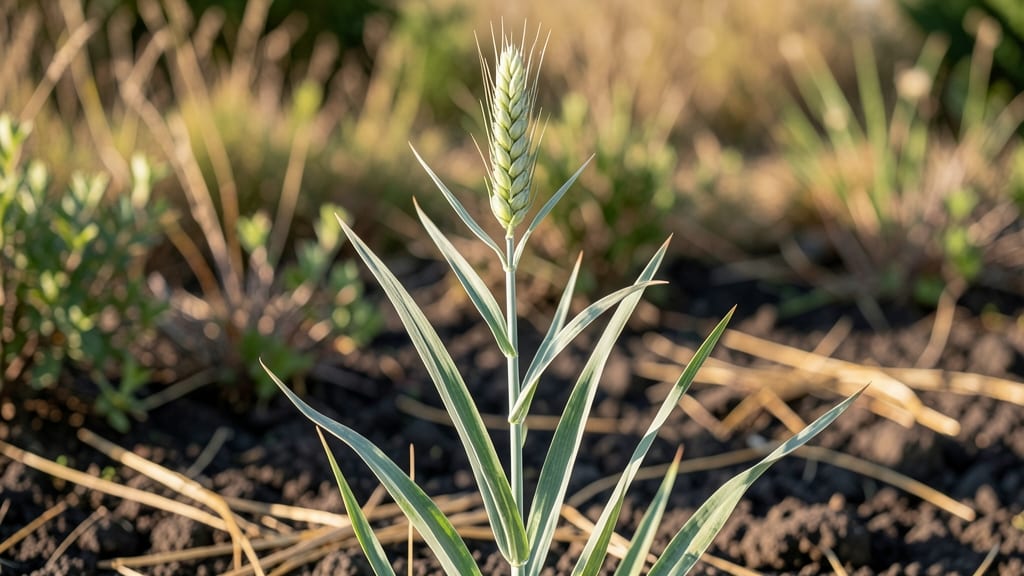
If you're wondering how tall does Egyptian wheat grow, the answer might surprise you—especially if you're planning a small garden. This drought-tolerant grain typically stays between 2 to 3 feet when fully mature, making it perfect for compact spaces without needing staking or support.
Unlike traditional wheat varieties that can reach towering heights, Egyptian wheat 🌾 thrives in USDA Zone 6a with minimal fuss. Its bushy growth habit means it won’t overwhelm your garden layout, and its height makes it ideal for interplanting with vegetables or herbs.
Whether you're a beginner gardener or a seasoned grower, understanding its growth pattern helps with spacing and companion planting. Let’s break down exactly how tall these varieties get and how to maximize your yield in a small space.
From planting in March to April to harvesting in June to August, Egyptian wheat’s manageable height simplifies care while delivering a bountiful harvest. Ready to learn how to grow it successfully?


Egyptian wheat height guide: compact varieties under 3 feet explained
When planning your garden, knowing the mature height of your crops is crucial—especially for space-conscious gardeners. Egyptian wheat (Triticum turgidum subsp. durum) typically grows between 1.5 to 3 feet tall, making it a perfect choice for small gardens, containers, or mixed borders.
Unlike traditional wheat varieties that can reach 5 to 6 feet, these compact types stay manageable without requiring staking or support.
This height range is ideal for gardeners who want to grow grains without sacrificing space for other plants. The bushy growth habit of Egyptian wheat also helps it resist wind damage, reducing the need for additional support structures.
Whether you're growing it for grain, ornamental purposes, or as a living mulch, its compact stature is a game-changer for urban and suburban gardens.
🌾 Egyptian Wheat Growth Summary
| Characteristic | Details |
|---|---|
| Mature Height | 1.5–3 feet |
| Growth Habit | Bushy, upright |
| Staking Needed? | No (compact varieties) |
| Sunlight Needs | 6+ hours/day |
| Spacing | 6–12 inches apart |
| Best For | Small gardens, containers, borders |
The 1.5 to 3-foot height of Egyptian wheat is a significant advantage for gardeners with limited space. For example, you can easily fit a row of plants along a 3-foot-wide garden bed without overcrowding.
This makes it ideal for companion planting with vegetables like beans, peas, or lettuce, which also thrive in similar conditions. The compact stature also reduces the risk of lodging (falling over) in windy conditions, a common issue with taller wheat varieties.
Unlike traditional wheat, which can grow up to 6 feet tall and requires staking or heavy mulching, Egyptian wheat’s shorter stature means you can grow it in containers or raised beds without worrying about toppling.
This flexibility is especially useful for urban gardeners or those with small yards. Plus, its drought tolerance means you won’t need to water it as frequently as other crops, saving time and resources.
If you're growing Egyptian wheat for grain, the 3-foot height is perfect for hand-harvesting. You won’t need a ladder or specialized tools to reach the seed heads, making the process more accessible.
For ornamental purposes, the golden-brown seed heads add a striking texture to your garden, especially when planted in clusters or mixed with other drought-tolerant perennials like lavender or rosemary.
One common misconception is that all wheat varieties grow tall and require extensive space. However, Egyptian wheat’s compact varieties are specifically bred to stay under 3 feet, making them a practical choice for modern gardens.
To ensure optimal growth, plant seeds 1/4 inch deep in well-draining soil and space them 6–12 inches apart. This spacing allows for adequate airflow, reducing the risk of fungal diseases while maximizing yield.
For gardeners in USDA Zones 6–10, Egyptian wheat thrives in warm climates and can be planted in early spring or late summer for a fall harvest. Its ability to tolerate heat and drought makes it a low-maintenance option compared to other grain crops.
By choosing compact varieties, you’ll enjoy a high yield per square foot without the space constraints of traditional wheat.
To further optimize space, consider interplanting Egyptian wheat with shallow-rooted crops like radishes or carrots. This companion planting strategy allows you to make the most of your garden bed while reducing the need for additional space.
The wheat’s bushy growth habit also provides shade for smaller plants, protecting them from extreme heat during the summer months.
In summary, Egyptian wheat’s 1.5 to 3-foot height makes it an excellent choice for small gardens, containers, and mixed borders. Its compact stature eliminates the need for staking, reduces watering requirements, and fits seamlessly into modern gardening spaces.
Whether you're growing it for grain, ornamentals, or practicality, this versatile crop is a standout for gardeners with limited room.
Egyptian wheat height guide: compact varieties under 3 feet explained
When planning your garden, knowing how tall does Egyptian wheat grow is key to maximizing space. Most compact varieties stay between 1.5 to 3 feet at maturity, making them ideal for small plots or container growing.
This dwarf stature eliminates the need for staking, unlike traditional wheat that can reach 5 to 6 feet.
The bushy growth habit of Egyptian wheat also sets it apart—its wide base spreads horizontally, creating a low-profile canopy perfect for interplanting. This makes it a smart choice for intensive gardening where every inch counts.
For visual clarity, here’s a quick summary of Egyptian wheat’s growth characteristics compared to traditional varieties:
| Characteristic | Egyptian Wheat | Traditional Wheat |
|---|---|---|
| Mature Height | 1.5–3 ft | 4–6 ft |
| Growth Habit | Bushy, compact | Tall, upright |
| Staking Needs | None | Often required |
| Spacing | 6–12 inches apart | 12–24 inches apart |
Egyptian wheat’s compact stature also means it matures faster, typically reaching harvestable height in 90 to 120 days. This rapid growth cycle lets you fit multiple crops into a single season, perfect for small-space gardening.
Another advantage is its drought tolerance. Once established, these varieties need minimal watering, making them perfect for arid climates or regions with limited irrigation. Their low height also reduces wind damage compared to taller wheat varieties.
For gardeners in USDA Zone 6a, planting Egyptian wheat in March to April ensures it reaches its full height by harvest time. The key is spacing seeds 6–12 inches apart to allow airflow and prevent disease, while still keeping the garden tidy and manageable.
Understanding these growth traits helps you plan companion plants like beans or lettuce around the base, creating a productive, layered garden design without sacrificing yield or aesthetics. 🌾