
How To
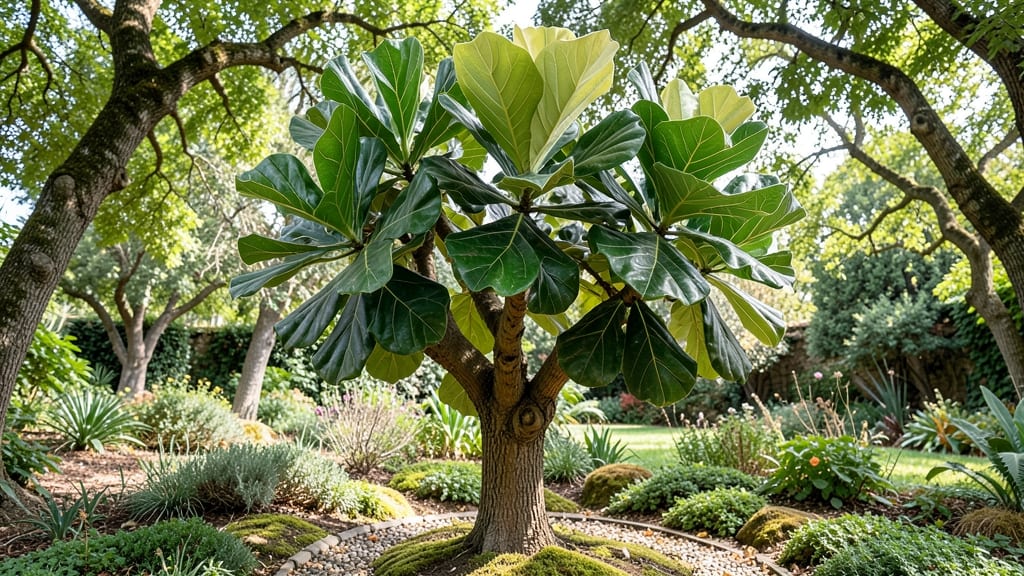
Wondering how tall does ficus grow before it becomes a ceiling-bound giant? The answer depends on the variety—some ficus trees 🌿 stay compact enough for apartments, while others reach small-tree heights that need outdoor space.
If you're eyeing a ficus elastica (rubber plant), expect it to climb to 10-20 feet indoors with proper care, but outdoors, it can soar to 50 feet or more. Meanwhile, the delicate ficus benjamina typically maxes out around 15-25 feet—perfect for adding tropical drama without dominating your living room.
Curious how to keep your ficus from turning into a jungle? The key is pruning at the right time and giving it the right conditions. I’ll break down how to control growth, whether you want a bushy tabletop centerpiece or a towering indoor tree.
From fast-growing varieties to slow-and-steady climbers, we’ll cover everything you need to know to pick the perfect ficus for your space—without any surprises when it outgrows its pot.


Ficus tree height guide: common varieties and their mature sizes
Ficus trees are popular for their lush foliage and adaptability, but their mature height varies dramatically by variety. If you're planning to add one to your home or garden, knowing the expected height helps you choose the right type for your space.
Some ficus varieties stay under 6 feet, while others can tower over 50 feet in ideal conditions.
Indoor ficus trees typically grow slower and reach half their outdoor height, making them perfect for apartments or small homes. Outdoor varieties, however, can become towering features in landscapes or even small forests.
Let’s explore the most common ficus species and their mature heights to help you decide which fits your needs.
| Variety | Indoor Height (ft) | Outdoor Height (ft) | Growth Rate | Best For |
|---|---|---|---|---|
| Ficus elastica (Rubber Plant) | 6-10 ft | 30-50 ft | Moderate | Indoor spaces, tropical gardens |
| Ficus benjamina (Weeping Fig) | 10-15 ft | 40-60 ft | Fast | Outdoor landscapes, bonsai |
| Ficus lyrata (Fiddle-Leaf Fig) | 8-12 ft | 20-30 ft | Slow to Moderate | Statement indoor plants, shaded gardens |
| Ficus microcarpa (Ginseng Fig) | 15-20 ft | 50-70 ft | Fast | Outdoor privacy screens, bonsai |
| Ficus retusa (Banyan Fig) | N/A (Outdoor only) | 60-100 ft | Very Fast | Large gardens, tropical landscapes |
The Ficus elastica (rubber plant) is a favorite for indoor growers because it stays compact while still making a bold statement. In outdoor settings, however, it can grow into a 30-foot tree with proper care.
If you're limited to indoor spaces, this variety is ideal for ceilings up to 10 feet tall.
For those with larger spaces, the Ficus benjamina (weeping fig) is a stunning choice, especially outdoors where it can reach 60 feet. Indoors, it grows more slowly but still needs space—aim for 15 feet of clearance. This variety is also popular for bonsai due to its adaptability.
The Ficus lyrata (fiddle-leaf fig) is a trendy indoor plant known for its large, violin-shaped leaves. It typically reaches 8-12 feet indoors but can grow much taller outdoors. If you're drawn to its dramatic foliage, ensure your space can accommodate its mature size.
Outdoor gardeners often choose Ficus microcarpa (ginseng fig) for its fast growth and ability to create natural privacy screens. With heights up to 70 feet, it’s perfect for large yards or as a bonsai specimen. Indoors, it can still grow tall but requires more space and light.
If you're dreaming of a tropical landscape, the Ficus retusa (banyan fig) is a showstopper. This variety grows extremely fast and can reach 100 feet or more in ideal conditions. It’s best suited for outdoor gardens or large estates where its massive size can be appreciated.
When choosing a ficus, consider not just its mature height but also how it grows. Some varieties, like the Ficus elastica, grow upright, while others, like the Ficus benjamina, have a weeping habit. This affects how much space you’ll need for both the plant and its branches.
Light exposure plays a key role in height. Ficus trees grown in bright, indirect light tend
How to control ficus tree height: pruning and growth tips
Pruning is your best tool to manage ficus tree height and shape it to fit your space. Whether you have a 10-foot rubber plant or a towering ficus benjamina, strategic cuts can keep growth in check while encouraging fuller foliage.
The key is timing—prune at the right moment to avoid stressing your plant.
For most ficus varieties, the ideal pruning time is late winter or early spring, just before new growth begins. This gives your plant time to recover before summer heat. Avoid heavy pruning in fall or winter, as the plant may struggle to heal before dormancy sets in.
Use clean, sharp pruners to make cuts just above a leaf node or branch junction. This encourages new shoots to grow from that point, creating a bushier appearance.
For dramatic height reduction, cut back 1/3 of the plant's height in one session, but never remove more than this in a single pruning to prevent shock.
Ficus trees are resilient, but aggressive pruning can stress the plant and lead to slow recovery. Never remove more than 30% of the foliage at once. If you need drastic height control, space cuts over 2-3 years to allow gradual adjustment.
Also, sterilize tools between cuts with rubbing alcohol to prevent disease spread.
To maintain a compact ficus tree, prune regularly throughout the growing season. Pinch back new growth tips to encourage branching. For ficus benjamina, which naturally grows in a weeping form, prune the tips of lower branches to promote upward growth and fill out the canopy.
If your ficus grows too tall for its current location, consider topping—cutting the main stem just above a strong branch. This forces the plant to send out multiple new shoots, creating a fuller, bushier tree.
Just be prepared for a burst of new growth that may require additional pruning later.
For indoor ficus trees, light levels directly impact growth rate. Place your plant near a bright, indirect light source (like an east-facing window) to slow vertical growth. If you notice leggy stems, rotate the pot every few weeks to ensure even light exposure and encourage balanced growth.