
How To
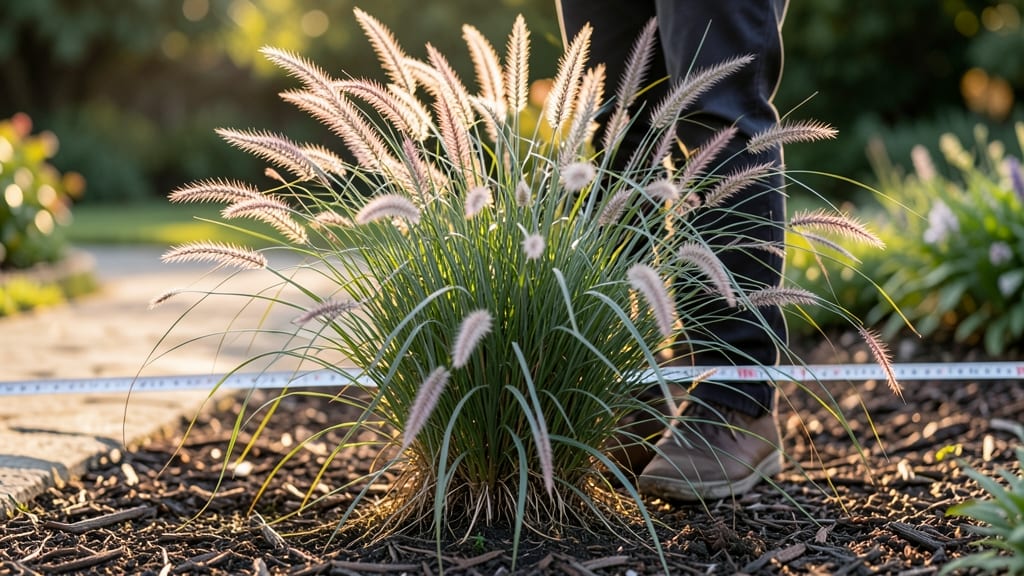
Wondering how tall does fountain grass grow before it becomes a space hog in your garden? This ornamental grass can reach anywhere from 1 foot to over 6 feet, depending on the variety and growing conditions—so knowing the right size is key to planning your landscape like a pro.
If you're in USDA Zone 6a or warmer, you might be eyeing fountain grass for its easy-care appeal and stunning plumes. But before you plant, it pays to understand how quickly these clumps expand—some varieties spread aggressively, while others stay neatly contained.
The good news? With the right care, you can keep even the tallest types in check.
Let’s break down the height ranges by species, from dwarf varieties that stay under 2 feet to towering types that hit 6 feet or more.
You’ll also discover how sunlight, soil, and pruning habits can tweak growth—and how to use these grasses to add drama to borders, slopes, or even container gardens without overpowering your space.
Ready to transform your yard with low-maintenance texture? I’ll walk you through everything you need to know to pick the perfect fountain grass for your garden’s size and style.


Fountain grass height by climate zone: expected growth ranges explained
Fountain grass (Pennisetum spp.) is a showstopper in any garden, thanks to its arching plumes and year-round interest. But before you plant, knowing its mature height is key—especially since varieties range from 18 inches to nearly 5 feet tall.
Your climate zone plays a huge role in how tall your fountain grass will grow, as colder regions may stunt growth while warmer zones encourage lush, towering varieties.
In USDA Zones 5–7, fountain grass typically matures between 2 and 4 feet, while Zones 8–11 can support varieties reaching 4 to 5 feet. Dwarf varieties like Pennisetum 'Little Bunny' stay compact at 12–18 inches, making them ideal for containers or small gardens.
Meanwhile, standard types like Pennisetum alopecuroides 'Hameln' can soar to 36–48 inches in optimal conditions.
Seasonal growth also matters. Most fountain grass grows 1–2 feet per year until mature, with the most dramatic height gain occurring in late spring and summer. In colder zones, growth may slow or pause in winter, while tropical zones see continuous growth year-round.
Understanding these patterns helps you plan for spread and pruning needs before planting.
Here’s a quick breakdown of what to expect based on your zone, including cold-hardiness notes and ideal spacing to prevent overcrowding:
| Variety | Mature Height (inches) | USDA Zones | Cold-Hardiness | Spacing Needs |
|---|---|---|---|---|
| Pennisetum 'Little Bunny' | 12–18 | 5–11 | Hardy to -20°F | 12–18 inches apart |
| Pennisetum 'Burgundy Bunny' | 18–24 | 6–11 | Hardy to -10°F | 18–24 inches apart |
| Pennisetum alopecuroides 'Hameln' | 36–48 | 7–11 | Hardy to 0°F | 3–4 feet apart |
| Pennisetum 'Fireworks' | 24–36 | 6–10 | Hardy to -10°F | 2–3 feet apart |
| Pennisetum 'Moudry' | 48–60 | 8–11 | Hardy to 10°F | 4–5 feet apart |
For gardeners in Zones 5–6, choose cold-hardy varieties like Pennisetum 'Little Bunny' or Pennisetum 'Burgundy Bunny' to avoid winter dieback. In Zones 8–11, taller varieties like Pennisetum 'Fireworks' or Pennisetum 'Moudry' thrive, but they may need staking or support in windy areas to prevent flopping.
Soil quality also impacts height. Well-draining, sandy loam soil encourages taller growth, while clay-heavy soil can stunt fountain grass. Amend your soil with compost or perlite to improve drainage and promote healthy, upright growth. Over time, this ensures your fountain grass reaches its full genetic potential for height and plumes.
If you’re planting near a fence or wall, opt for taller varieties to create a dramatic vertical backdrop. For container gardening, dwarf varieties like Pennisetum 'Little Bunny' shine, adding texture to patios or balconies without overwhelming the space.
Always check the plant tag for specific height ranges—some nurseries may list slightly different expectations!
Pro tip: In Zones 5–7, mulch heavily in late fall to protect roots from freezing temperatures. This helps fountain grass bounce back taller and healthier in spring. With the right variety and care, your fountain grass will become a garden centerpiece that grows just as you envisioned.
🌿
How to control fountain grass height: pruning, thinning & variety selection
Once you’ve picked your fountain grass variety, the next step is keeping its height in check—especially if you’re working with a small garden or container planting. The good news? Fountain grass responds well to pruning and thinning, making it easy to manage even the tallest varieties.
Whether you’re dealing with 3-foot plumes or 6-foot giants, the right techniques will ensure your grass stays at your desired height without sacrificing its ornamental appeal.
Timing is everything when it comes to pruning. For most varieties, the best time to cut back is late winter or early spring, just as new growth begins. This encourages fresh, vigorous shoots while removing any dead or brown foliage from the previous year.
Avoid pruning in fall, as this can leave your plant vulnerable to winter damage and may stunt spring regrowth.
Here’s a quick guide to pruning height by variety: Dwarf types like Pennisetum 'Little Bunny' (12–18 inches) rarely need pruning, but you can trim back any overgrown seed heads in late winter to maintain a neat appearance.
For taller varieties like Pennisetum 'Moudry' (48–60 inches), cut back one-third of the height in late winter to encourage denser, bushier growth. Always use sharp, clean pruners to avoid tearing the foliage.
If your fountain grass is spreading too aggressively, thinning is your best friend. Every 3–4 years, dig up and divide large clumps in early spring. This not only controls height but also rejuvenates the plant by removing old, woody centers.
For varieties like Pennisetum 'Fireworks' (24–36 inches), thinning ensures the plumes remain upright and colorful rather than flopping over.
For container gardening, choose dwarf varieties like Pennisetum 'Burgundy Bunny' (18–24 inches) to avoid height issues. Even with these compact types, prune back spent seed heads in late winter to encourage neater growth.
In ground plantings, taller varieties like Pennisetum alopecuroides 'Hameln' (36–48 inches) benefit from staking in windy areas to prevent flopping and maintain an upright form.
Pro tip: If you’re struggling with uncontrolled height, consider mulching heavily around the base of your fountain grass. This suppresses aggressive spread while keeping the foliage dense and upright.
With the right pruning and thinning routine, your fountain grass will stay at the perfect height for your garden’s design—adding texture and movement without taking over.
✂️