
How To
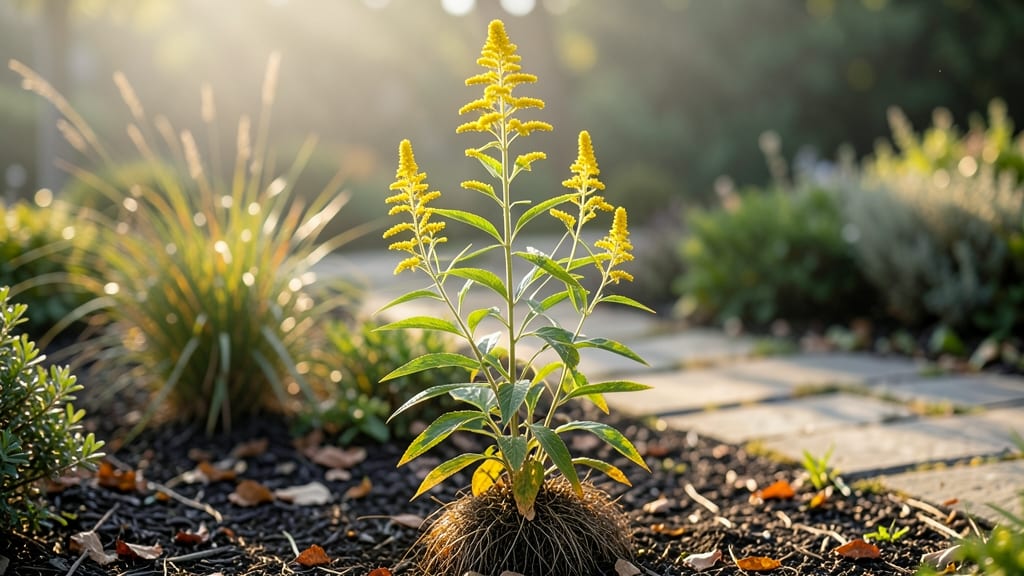
Wondering how tall does goldenrod grow before it turns your garden into a wildflower jungle? This hardy perennial can reach heights of 3 to 6 feet—or even taller in ideal conditions—making it a stunning but sometimes overwhelming addition to your landscape.
Goldenrod’s height isn’t just about genetics; sunlight, soil quality, and even your USDA Zone 6a climate play a role in how tall it grows.
While some varieties like Solidago canadensis stay on the shorter side, others can shoot up like golden sentinels, demanding a little planning if you want to keep them contained.
Here’s the good news: with the right pruning techniques and a few simple growth hacks, you can enjoy goldenrod’s vibrant blooms without sacrificing control. Whether you’re dreaming of a late-summer pollinator haven or just want to keep it from overshadowing your other plants, I’ve got you covered.
Let’s dive into how to manage goldenrod’s height—so you can have the best of both worlds: dramatic beauty and a tidy garden.


Goldenrod growth range: how tall it naturally reaches (and when to worry)
Goldenrod (Solidago spp.) is a sun-loving perennial that thrives on bold statements in late-summer gardens. Its plume-like blooms can reach impressive heights, but the exact size depends on the species and growing conditions.
Most varieties mature between 3 to 6 feet tall, though some dwarf cultivars stay under 2 feet. Understanding these natural ranges helps you plan spacing and control spread before it becomes a problem.
If you're wondering, "How tall does goldenrod grow in my yard?" the answer varies. Tall varieties like Solidago canadensis (Canada goldenrod) can top 5 feet, while compact types like Solidago 'Golden Fleece' remain under 2 feet.
Climate also plays a role—goldenrod grows taller in humid regions with rich soil but stays shorter in dry, sandy conditions. Without intervention, it can spread aggressively via rhizomes, so knowing its growth habits is key to keeping it contained.
🌼 Goldenrod Height Comparison
| Variety | Mature Height | Growth Habit | Spread Potential |
|---|---|---|---|
| Solidago canadensis | 3–6 ft | Upright, clumping | Moderate (rhizomes) |
| Solidago gigantea | 4–5 ft | Tall, arching | High (aggressive) |
| Solidago 'Golden Fleece' | 1–2 ft | Compact, bushy | Low (non-spreading) |
| Solidago 'Fireworks' | 2–3 ft | Semi-dwarf, branching | Moderate |
💡 Pro Tip: Dwarf varieties are ideal for containers or small gardens, while tall types shine in backyard borders or wildflower meadows.
Goldenrod’s height isn’t just about genetics—soil quality and sunlight exposure also influence growth. In poor, rocky soil, it may max out at 3 feet, while in fertile, moist conditions, it can easily hit 6 feet.
If you notice stems stretching taller than expected, check for over-fertilization or shaded conditions, which trigger leggy growth. Conversely, drought stress can stunt height, though it rarely drops below 2 feet in mature plants.
One common misconception is that goldenrod spreads uncontrollably like its look-alike, ragweed. While some varieties do spread via underground rhizomes, many modern cultivars are bred for contained growth. If your goldenrod is outgrowing its space, the issue is often lack of pruning or poor site selection.
For example, planting Solidago gigantea near a patio or walkway without barriers will lead to frustration—its rhizomes can spread 3–5 feet per year!
To prevent goldenrod from becoming a garden takeover, start with the right cultivar for your space. For small gardens, opt for dwarf varieties like 'Golden Fleece' or 'Fireworks'. In larger areas, use physical barriers like buried landscape fabric or edging rocks to contain rhizomes.
Regular deadheading (removing spent blooms) also reduces seed spread, though it won’t stop rhizome growth. If containment fails, consider dividing the plant every 2–3 years to manage its spread.
Goldenrod’s late-summer blooms are a pollinator magnet, but their height can clash with small garden designs. If you love goldenrod but need a shorter alternative, try 'Little Golden Stick', a 1–2 foot variety perfect for front borders or container gardens.
For tall garden beds, pair it with sunflowers or coneflowers to create a dynamic vertical layer. Just remember: taller goldenrod varieties need at least 3 feet of clearance behind them to avoid shading out smaller plants.
Watch for height red flags that signal your goldenrod is stressed or invasive. If stems lean excessively or flop over, it may need staking or more sunlight. Abnormally tall growth (over 6 feet) could indicate over-fertilization or crowded roots. Conversely, stunted growth under 2 feet might mean poor soil or pest damage. Regular checks ensure your golden
Goldenrod growth range: how tall it naturally reaches (and when to worry)
Goldenrod (Solidago spp.) is a fast-growing perennial that thrives in USDA Zone 6a and beyond, with heights ranging from 1 to 6 feet depending on the variety.
While some gardeners love its towering presence, others worry about it outgrowing its space—especially in full sun conditions where it reaches its maximum height.
The most common species, Solidago canadensis, typically grows 3 to 5 feet tall, while Solidago gigantea can stretch up to 6 feet in ideal conditions. If your goldenrod seems to be spreading uncontrollably, it might be time to reassess your garden layout or pruning routine.
🌼 Goldenrod Height Comparison
| Variety | Mature Height | Growth Habit | Best For |
|---|---|---|---|
| Solidago canadensis | 3–5 ft | Clumping | Pollinator gardens |
| Solidago gigantea | 4–6 ft | Spreading | Wildflower meadows |
| Solidago 'Fireworks' | 2–3 ft | Compact | Container gardens |
Note: Height varies with sunlight, soil fertility, and watering. Drought stress can reduce height by up to 30%.
If your goldenrod is taller than expected, check these factors first: over-fertilization (especially with nitrogen) can fuel rapid growth, while poor soil drainage may stunt it. Most gardeners see peak height in years 2–3, after which growth stabilizes unless aggressively pruned.
For late-summer blooms, goldenrod needs 6+ hours of sun daily—but too much shade can shrink its height by nearly half. If your plants are leaning or flopping, they may need staking or a more well-draining location.
Watch for aggressive spread—a red flag for invasive behavior. While goldenrod itself isn’t invasive, some varieties like Solidago canadensis can self-seed prolifically. Deadhead spent blooms in fall to prevent unwanted seedlings.
Remember: goldenrod’s height is adjustable with pruning! Even the tallest varieties can be trimmed back by 50% without harm. Try early-season cuts to encourage bushier, shorter growth—perfect for contained garden beds.