
How To
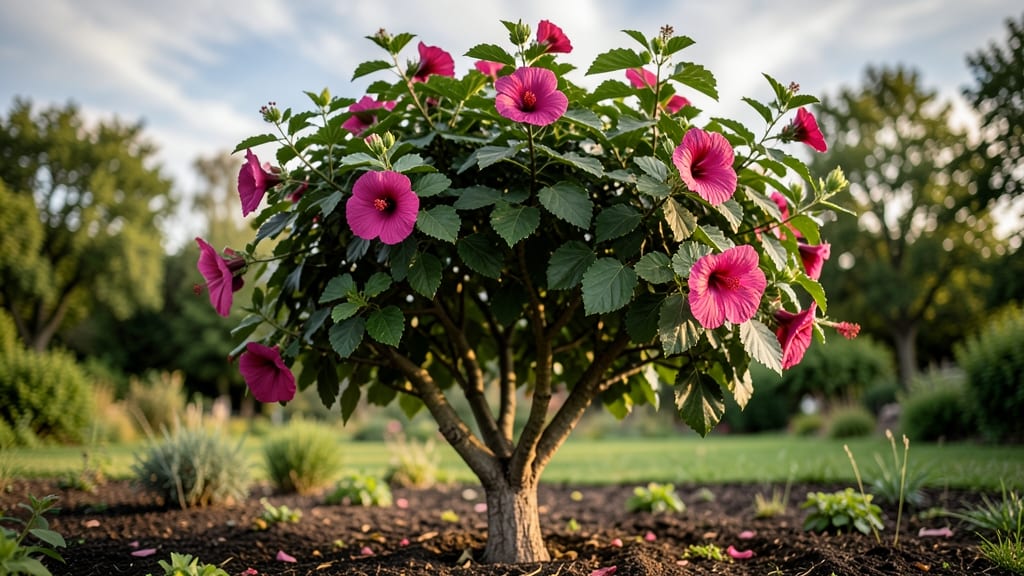
Curious about how tall your hibiscus tree could grow? The answer isn’t just about the variety—it’s also about where you live, how you prune, and even the pot you choose.
Some tropical hibiscus varieties can reach heights of 12 feet or more, while hardy types stay compact at just 3-6 feet. The right care can turn a modest shrub into a striking small tree.
If you’re dreaming of a hibiscus that towers over your fence or adds drama to your landscape, you’re in the right place. I’ll break down the height ranges for different types, from dwarf varieties perfect for containers to towering tropical giants that need space.
You’ll also learn how pruning, sunlight, and soil can shape your plant’s growth—whether you want a manageable shrub or a statement tree.
Let’s start with the basics: what to expect from your hibiscus based on its type. Whether you’re in USDA Zone 6a or a warmer climate, knowing these details helps you plan for the future.
Plus, I’ll share pro tips to keep your hibiscus healthy and thriving, no matter how tall you want it to grow.
Ready to transform your yard with a stunning 🌺 hibiscus tree? By the end, you’ll know exactly how to nurture it to reach its full potential—while avoiding common mistakes that stunt growth. Let’s get started!


Hibiscus tree height by variety: dwarf to giant species compared
If you're planning your garden layout, knowing your hibiscus tree height is essential—some varieties stay compact while others grow into towering backyard stars. The mature size of hibiscus trees ranges dramatically, from 3-foot dwarf varieties to 20-foot giants, depending on the species and growing conditions.
Let’s break down the height expectations for popular hibiscus types so you can choose the perfect fit for your space. Whether you want a low-maintenance shrub or a statement tree, there’s a hibiscus variety to match your vision.
🌺 Visual Comparison: Below, you’ll see how different hibiscus varieties stack up in height, along with their growth habits and ideal uses.
For example, the Tropical Hibiscus (like Hibiscus rosa-sinensis) thrives in USDA zones 10–11 and can reach 12 feet with proper care, while the Hardy Hibiscus (like Hibiscus syriacus) stays shorter but survives USDA zones 5–9, making it ideal for cooler climates.
If you’re growing hibiscus in containers, expect 20–30% smaller heights due to root restrictions. For instance, a 10-foot Rose-of-Sharon in the ground might only hit 7–8 feet in a large pot. Always account for this when planning your garden layout.
Another key factor is the growth rate. Tropical hibiscus can add 2–3 feet per year, while hardy varieties grow 1–2 feet annually. This means your 3-year-old hibiscus could already be 6–10 feet tall if you’ve been nurturing it well!
Pro tip: If you want to control hibiscus height, focus on pruning techniques and container size. We’ll dive deeper into these strategies in the next section, but for now, choose a variety that aligns with your space and climate.
🌿
How pruning affects hibiscus height: when & how to control growth
Pruning isn’t just about shaping your hibiscus tree—it’s the secret weapon for controlling its height growth. Without proper pruning, even a dwarf variety can shoot up unexpectedly, while aggressive pruning can stunt a tropical hibiscus that should reach 12 feet.
The key is timing and technique, tailored to your specific variety and climate.
For hardy hibiscus varieties (like Hibiscus syriacus), winter pruning is critical. This is when the plant is dormant, and you can safely remove up to 30% of its height without stressing it.
In warmer climates, summer pruning helps maintain shape and encourages bushier growth, which can actually reduce overall height by promoting lateral branches.
🌿 Step-by-Step Pruning Guide for Hibiscus Height Control
- Step 1: Identify your variety—tropical vs hardy—to determine pruning season (winter for hardy, summer for tropical).
- Step 2: Use sterilized pruners to cut at a 45-degree angle just above a leaf node for best regrowth.
- Step 3: Remove dead or crossing branches first to improve airflow and reduce disease risk.
- Step 4: For height control, cut back 1/3 of new growth in spring for hardy hibiscus or summer bloomers after flowering.
- Step 5: Fertilize lightly after pruning (spring/summer) to support new growth—use 10-10-10 balanced fertilizer.
One common mistake is pruning too late in the season. For tropical hibiscus, avoid heavy pruning after mid-summer, as new growth won’t have time to harden off before cooler weather arrives. In contrast, hardy hibiscus can handle late-winter pruning because they’re already dormant and protected from frost damage.
If your hibiscus is growing too tall for its space, focus on selective pruning of the upper branches. This encourages the plant to put energy into lower branches, creating a fuller, more compact shape.
For potted hibiscus, regular pruning is even more critical since container size limits root growth and can restrict height naturally.
Remember, hibiscus trees respond well to pruning when done correctly. With the right approach, you can keep a 12-foot tropical hibiscus at a manageable 6 feet or transform a leggy shrub into a lush, bushy specimen.
The key is consistency—prune at the right time each year, and your hibiscus will reward you with controlled growth and abundant blooms.
For those in USDA zones 8-11, summer pruning is your best friend for managing height, while gardeners in cooler zones should prioritize winter pruning to prevent frost damage. Always use sharp, clean tools to avoid tearing bark or spreading disease.