
How To
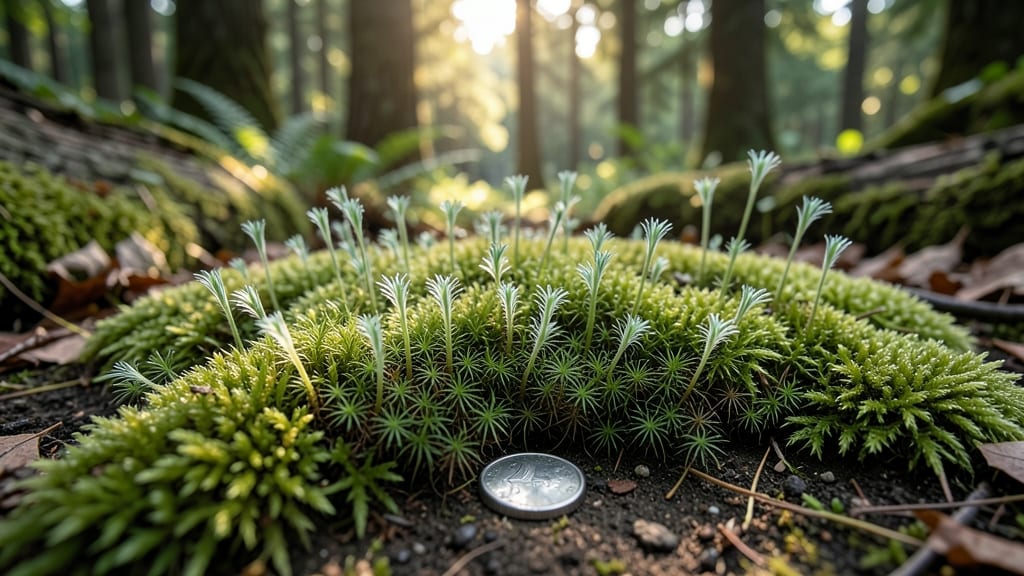
If you've ever wondered how tall does moss grow, the answer might surprise you—because this tiny green wonder stays closer to the ground than you think.
While some varieties stretch up to 6 inches, most moss species cap out around 1-2 inches, making them the perfect low-maintenance ground cover for shaded spots.
What makes moss so fascinating isn't just its height but how it thrives in conditions where other plants struggle. Whether you're looking to fill gaps in your garden or create a lush, carpet-like effect, understanding moss's natural growth habits is the first step.
I'll break down the factors that influence its size and how to encourage the perfect height for your space.
From shady forest floors to urban courtyards, moss adapts beautifully to different environments—yet it never overpowers its surroundings. The key lies in moisture, shade, and the right species for your climate.
Let's explore how to harness moss's natural tendencies to create a verdant, low-maintenance landscape that feels like a secret garden.
Ready to transform bare patches into a vibrant, self-sustaining green carpet? You don't need a green thumb—just a little patience and the right approach. Let's dive into the tiny secrets that make moss the ultimate ground cover.


Natural moss growth height: what science says about size limits
Moss thrives as one of nature’s most compact plants, rarely exceeding 6 inches in height. Unlike turfgrass or shrubs, moss grows in dense mats rather than vertical stems, creating a lush carpet effect.
Its height is determined by species type, environmental conditions, and moisture levels—never by aggressive spreading like invasive weeds.
The average moss height falls between 0.25–2 inches for most varieties, making it ideal for ground cover in shaded gardens. However, some species like Polytrichum commune (common haircap moss) can reach up to 6 inches when grown in optimal conditions.
This variation is why understanding your moss type is crucial before planting.
Root structure plays a surprising role in moss height. Unlike vascular plants, moss has rhizoids—tiny hair-like structures—that anchor it to surfaces without deep soil penetration. This shallow growth habit explains why moss stays low to the ground and thrives in moist, well-draining soil with minimal competition.
Contrary to popular belief, moss doesn’t "take over" landscapes—it simply fills available space in shaded, damp areas. Its growth rate is slow, typically adding just 0.5–1 inch per year under ideal conditions. This makes it perfect for low-maintenance gardens where you want to suppress weeds without mowing.
Environmental factors like humidity, temperature, and light exposure directly impact moss height. In high-humidity climates, moss may grow slightly taller due to increased moisture retention. Conversely, dry conditions can stunt growth, keeping it closer to the ground. Understanding these factors helps you create the perfect conditions for your desired moss height.
| Factor | Impact on Height | Ideal Range |
|---|---|---|
| Species Type | Determines max height (0.25–6 in) | Most: 0.5–2 in; Tallest: 4–6 in |
| Humidity | Higher humidity = taller growth | 60%+ for optimal growth |
| Light Exposure | Partial shade promotes denser, shorter mats | 20–40% sunlight |
| Soil Moisture | Consistent moisture = faster vertical growth | Keep soil damp (not soggy) |
| Temperature | Cooler temps slow growth, keeping moss low | 50–75°F ideal |
One common misconception is that moss grows taller in competition with other plants. In reality, moss outcompetes weeds by forming dense mats that block sunlight, not by growing upward. This is why moss is often used in forest gardens and understory plantings—it stays low while suppressing invasive species.
For gardeners aiming for uniform moss height, selecting the right species is key. Sheet moss (Hylocomium splendens) stays under 1 inch, while cushion moss (Leucobryum glaucum) can reach 3–4 inches when happy. Always check the mature height range before choosing moss for your project to avoid surprises.
Moss height also varies by growing surface. On bare soil, it typically stays shorter (0.5–1.5 inches) compared to rock crevices or logs, where it can grow slightly taller (2–3 inches) due to better moisture retention.
This adaptability makes moss a versatile choice for both ground cover and vertical decor.
If you’re designing a moss garden, plan for height layers. Combine short varieties like feather moss (Thuidium delicatulum) (0.5–1 inch) with taller species like polytrichum (Polytrichum juniperinum) (3–6 inches) to create texture.
Just remember: moss grows horizontally first, so give it space to spread before it reaches its maximum height.
Finally, moss height is not a sign of health. A lush, dense moss mat that stays low (1–2 inches) is often healthier than a sparse, tall moss patch. Focus on consistent moisture and shade rather than chasing height—nature’s design for moss is all about ground-hugging beauty. 🌿
Natural moss growth height: what science says about size limits
Moss thrives as a low-growing plant, rarely exceeding 6 inches in height. Unlike traditional lawns, moss grows horizontally, forming dense carpets that suppress weeds while adding texture to gardens. Its height is determined by species, moisture levels, and shade conditions—never by aggressive spreading like invasive plants.
Most moss varieties stay between 0.25 and 2 inches tall, making them ideal for pathways, rock gardens, and shaded borders. Even the tallest species, like Polytrichum commune, max out at 6 inches under perfect conditions. This natural growth habit ensures moss remains a non-competitive ground cover.
🌿 Did You Know? Moss doesn’t have roots—it uses rhizoids to anchor itself. These tiny hair-like structures keep it close to the soil surface, reinforcing its compact height. This adaptation also explains why moss thrives in tight crevices and rocky terrain.
| Factor | Impact on Height |
|---|---|
| Species | 0.25–6 inches (dwarf to tall) |
| Moisture | Consistent dampness = thicker growth |
| Shade | Full shade = denser, shorter moss |
| Soil pH | Acidic (5.0–6.0) = optimal growth |
| Competition | Weed-free zones = taller moss |
Contrary to popular belief, moss won’t overtake your garden. Its slow growth rate—about 0.5 inches per year—means it fills space gradually without crowding other plants. In fact, moss often enhances existing landscapes by creating microhabitats for insects and reducing soil erosion.
For gardeners aiming for a neat, uniform look, focus on maintaining consistent moisture and minimal disturbance. Prune taller patches annually to encourage denser, shorter growth. This simple maintenance keeps moss at its ideal 1–2 inch height for most varieties.
Understanding moss’s natural height limits helps you plan intentional ground cover. Whether you’re lining a walkway or softening a rocky slope, moss’s compact stature ensures it stays where you want it—without the upkeep of traditional grass. 🌱