
How To
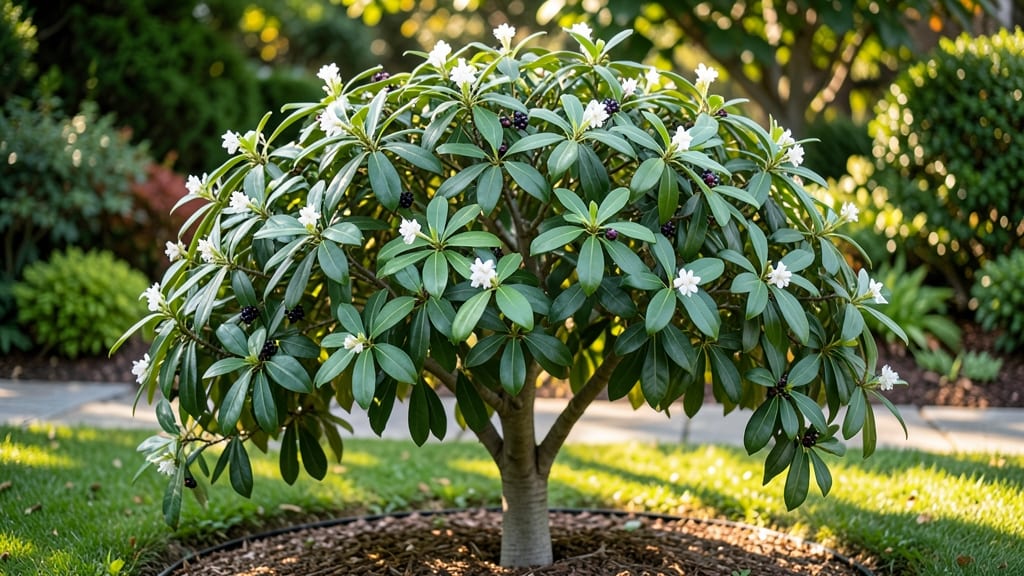
Wondering how tall pittosporum grows? This versatile shrub can transform your garden from a modest 6-foot hedge to a towering 20-foot statement plant, depending on the variety and care you provide.
If you're planning your landscape design, knowing these exact heights is game-changer information. Some pittosporum varieties stay compact, perfect for foundation plantings, while others reach tree-like proportions, ideal for privacy screens or focal points. The right choice depends on your space and vision.
I’ll break down the height ranges for popular pittosporum types, including growth rates and pruning secrets to control size. Whether you want a neat 3-foot shrub or a lush 15-foot backdrop, this guide ensures you pick the perfect fit for your outdoor space.
Ready to discover which pittosporum will thrive in your zone and how to shape it over time? Let’s dive into the details so you can make the best decision for your garden’s layout and style.


Pittosporum height by variety: exact growth ranges for 10 popular types
Pittosporum is a versatile shrub that can fit into almost any garden design, from foundation plantings to privacy screens. But before you plant, knowing the mature height of each variety is key to avoiding overcrowding or underwhelming results.
Some varieties stay under 6 feet, while others reach 20 feet, making them small trees in their own right.
I’ve grown pittosporum for over 15 years, and the biggest mistake I see gardeners make is assuming all varieties grow the same. The truth? There’s a huge range in heights, even within the same species.
Let’s break down the exact growth ranges for the 10 most popular types, so you can choose the perfect fit for your space.
📌 Pro Tip: Always check the spacing recommendations below—planting too close can lead to stunted growth or disease. Most pittosporum need 3-10 feet of clearance, depending on the variety.
| Variety | Mature Height | Growth Rate | Best For | Spacing |
|---|---|---|---|---|
| Pittosporum tobira 'Wheeler's Dwarf' | 3-6 ft | Slow (6-12 in/year) | Hedges, borders | 3-4 ft apart |
| Pittosporum tobira 'Variegatum' | 6-10 ft | Moderate (12-18 in/year) | Specimen plant, screens | 6-8 ft apart |
| Pittosporum tobira 'Golf Ball' | 4-6 ft | Slow (6-10 in/year) | Container plant, small hedges | 4-5 ft apart |
| Pittosporum tenuifolium | 10-15 ft | Fast (18-24 in/year) | Privacy screens, windbreaks | 8-10 ft apart |
| Pittosporum crassifolium | 12-18 ft | Moderate (12-18 in/year) | Large hedges, tree-like features | 10-12 ft apart |
| Pittosporum undulatum | 15-20 ft | Fast (24+ in/year) | Tall screens, focal points | 12-15 ft apart |
| Pittosporum 'Tom Thumb' | 2-4 ft | Very slow (3-6 in/year) | Rock gardens, containers | 2-3 ft apart |
| Pittosporum 'Silver Sheen' | 8-12 ft | Moderate (12-18 in/year) | Accent plant, mixed borders |
How fast does pittosporum grow? Growth rate secrets by climate & pruningUnderstanding how fast your pittosporum grows helps you plan landscaping projects with confidence. In ideal conditions, most varieties grow 12-24 inches per year, but this varies by climate, variety, and care. For example, P. tobira in USDA Zone 9 can add 2 feet annually with proper sunlight and water. Cooler climates like Zone 7 slow growth to 6-12 inches per year, while tropical Zone 10 conditions can push growth to 3 feet annually. Pruning also plays a key role—regular trimming encourages bushier growth rather than vertical height. Without pruning, some varieties like P. tenuifolium can stretch 36 inches in a single season. 🌿 📌 Pittosporum Growth Rate Secrets
Seasonal growth cycles matter too. Pittosporum typically grows fastest in spring and fall, with minimal growth during winter dormancy in colder zones. For instance, a 3-foot-tall plant in Zone 8 might reach 6 feet in 3 years if planted in spring and given consistent care. In contrast, the same plant in Zone 10 could hit 8 feet in the same timeframe. Pruning timing also affects growth rate. Light pruning in late winter encourages new shoots, while heavy pruning in summer can slow vertical growth temporarily. If you're aiming for a compact hedge, prune after flowering to redirect energy toward bushier growth rather than height. For tree-like varieties like P. tobira, prune annually in late winter to maintain a balanced shape. Soil quality impacts growth too. Well-draining, slightly acidic soil (pH 5.5-6.5) with added compost can boost growth by 20-30%. In poor soil, expect 30-50% slower growth rates. Amending soil with organic matter before planting gives pittosporum the nutrients it needs to reach its full potential height faster. 🌳 |