
How To
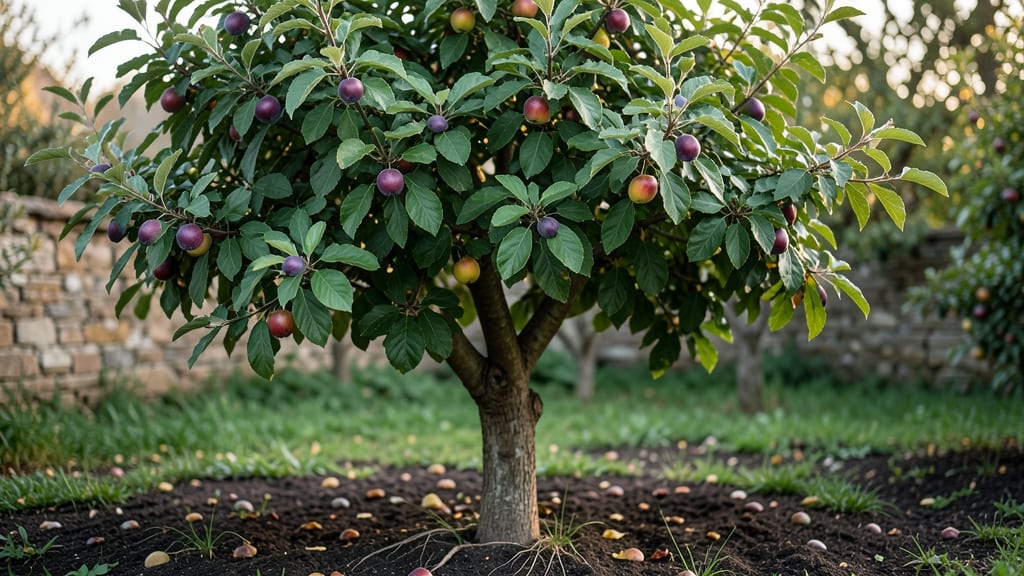
If you’re wondering how tall does plum tree grow, the answer might surprise you—because some varieties stay small enough to fit in your backyard without dominating it! 🍑 Whether you're working with a cozy patio or a sprawling garden, choosing the right plum tree can mean the difference between a dream harvest and a space struggle.
Most plum trees reach heights between 15 and 30 feet at maturity, but that doesn’t mean you’re stuck with a towering giant. Dwarf varieties, like the 'Patio Plum', top out around 6 to 10 feet, making them perfect for small spaces.
The key is knowing which type suits your yard—and how to keep it manageable with simple pruning techniques.
From compact Japanese plums to sturdy European varieties, we’ll break down the best options for your growing conditions. Whether you’re in USDA Zone 6a or another climate, you’ll discover how to grow a fruitful plum tree without sacrificing your yard’s layout.
Ready to grow plums without the space hassle? Let’s dive into the varieties, care tips, and pruning secrets that’ll keep your tree both productive and yard-friendly.


Plum tree height by variety: dwarf vs standard vs semi-dwarf options
Plum trees come in a stunning range of sizes, from towering standard varieties that reach 20-30 feet tall to dwarf cultivars that stay under 10 feet. The right choice depends on your space, sunlight, and how much fruit you want to harvest.
Let’s break down the options so you can pick the perfect plum tree for your garden.
Most plum trees fall into three height categories: dwarf (6-10 ft), semi-dwarf (12-16 ft), and standard (20-30 ft). Dwarf varieties are ideal for small yards, patios, or even large containers, while standard trees need ample space and regular pruning to manage their size.
Semi-dwarf trees strike a balance, offering good fruit production without overwhelming your landscape.
Popular dwarf plum varieties like 'Methley' and 'Santa Rosa' mature at 8-10 feet, making them perfect for urban gardens. These trees produce abundant fruit despite their compact size, often yielding 50-100 pounds of plums annually. Their smaller stature also means they’re easier to maintain and harvest.
Semi-dwarf plum trees, such as 'Shiro' or 'Larry Del', typically grow 12-16 feet tall. They require a bit more space than dwarfs but still fit well in medium-sized yards. These varieties are great for gardeners who want a moderate-sized tree with high fruit production and manageable height.
Standard plum trees, like 'Stanley' or 'Blackamber', can reach 20-30 feet at maturity. While they offer the largest fruit yields, they need ample space and regular pruning to control their growth. These trees are best suited for large properties or rural settings where their height won’t be a limitation.
Here’s how these varieties compare in terms of height, space needs, and fruit production to help you decide which is right for your garden:
When choosing a plum tree, consider your available space and sunlight exposure. Most plum trees thrive in full sun (6+ hours daily) and well-draining soil. Dwarf varieties are more forgiving in terms of space, while standard trees need regular pruning to keep them manageable.
If you’re unsure, start with a semi-dwarf variety for a balance of size and productivity.
Another factor to consider is the maturity timeline. Dwarf plum trees may take 3-5 years to bear fruit, while standard varieties can take 5-7 years. Patience pays off, though—once established, plum trees can produce fruit for decades with proper care.
For gardeners in USDA Zones 5-9, plum trees are a fantastic addition, offering year-round interest with their spring blooms, summer fruit, and autumn foliage. Whether you choose a compact dwarf or a tall standard, your plum tree will reward you with delicious, homegrown plums for years to come.
If you’re working with limited space, don’t hesitate to explore container-growing options for dwarf plum trees. With the right variety and care, you can enjoy fresh plums even in the smallest of gardens! 🍑
Best space-saving plum tree varieties for small yards and containers
Not all plum trees need a sprawling backyard—some varieties thrive in tight spaces while still delivering delicious fruit. If you're working with limited square footage, these compact plum trees are game-changers.
They’re perfect for patios, balconies, or even large containers, letting you enjoy homegrown plums without sacrificing space for other plants.
When choosing a space-saving plum tree, prioritize dwarf or columnar varieties. These are bred to stay small while maintaining productivity. For example, the 'Patio Plum' matures at just 6-8 feet tall, making it ideal for small yards or even large pots.
Similarly, 'Little Princess' reaches 8-10 feet, perfect for urban gardens where every inch counts.
Here’s a curated list of the best compact plum trees for small spaces, including their mature heights, fruit production, and container suitability:
For container gardening, select varieties labeled as dwarf or patio types. Ensure your pot is at least 15-20 gallons to accommodate roots and provide stability. Place containers in full sun (6+ hours daily) and water deeply 2-3 times per week during the growing season.
Mulch around the base to retain moisture and regulate soil temperature.
If you’re growing plums in a small yard, consider planting two compatible varieties near each other to ensure pollination. For example, pair 'Patio Plum' with 'Shiro' for cross-pollination and better fruit set.
Even in tight spaces, these compact trees can produce hundreds of plums per season with the right care.
Remember, pruning and training play a huge role in keeping your plum tree manageable. Regular pruning not only controls height but also improves airflow, reducing the risk of disease and pests.
With the right variety and care, you can enjoy homegrown plums without needing a large garden—just a little creativity and space!