
How To
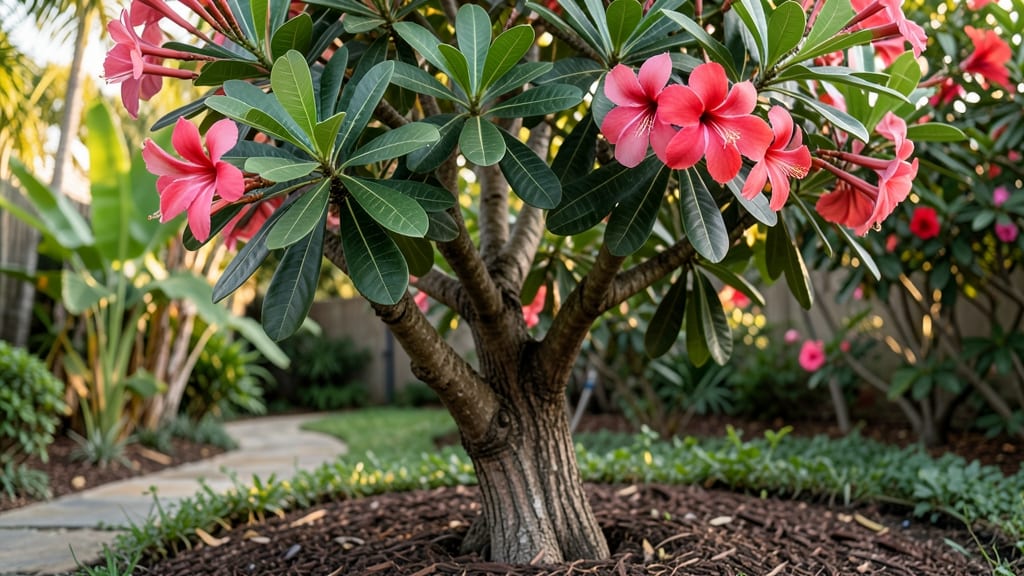
Plumeria height by variety: from dwarf to small-tree giants
Plumerias are famous for their intoxicating fragrance and striking blooms, but their mature heights can swing from compact shrubs to tall tropical trees. The variety you choose determines whether your plumeria will stay at 3 feet or stretch toward 20 feet—or anywhere in between.
Let’s break down the most popular types and their growth habits so you can pick the perfect fit for your space.
At the lower end, dwarf varieties like Plumeria 'Mini Snow' or Plumeria 'Dwarf Ruby' top out at 3–6 feet, making them ideal for containers or small gardens. These compact beauties grow at a slower rate, perfect if you want frequent blooms without the maintenance of a towering plant.
On the opposite end, standard varieties like Plumeria rubra or Plumeria obtusa can reach 10–20 feet when grown outdoors in warm climates.
🌺 Height varies wildly: A Plumeria obtusa (the most common type) often grows as a small tree (10–15 ft), while Plumeria 'Sunburst' stays bushier at 6–10 feet. Even within the same species, grafted varieties (like those sold at nurseries) tend to grow 20–30% taller than seed-grown plants due to their hybrid vigor.
| Variety | Mature Height | Growth Habit | Best For |
|---|---|---|---|
| Plumeria 'Mini Snow' | 3–5 ft | Bushy, multi-stemmed | Containers, small gardens |
| Plumeria 'Dwarf Ruby' | 4–6 ft | Compact, slow-growing | Balconies, urban patios |
| Plumeria rubra | 10–15 ft | Tree-like, single trunk | Large gardens, tropical landscapes |
| Plumeria obtusa | 12–20 ft | Fast-growing, sprawling | Privacy screens, large yards |
| Plumeria 'Sunburst' | 6–10 ft | Bushy, multi-colored blooms | Mixed borders, hedges |
If you’re wondering how quickly these heights unfold, most plumerias grow 1–2 feet per year in optimal conditions. A 3-foot dwarf might take 3 years to mature, while a 20-foot tree could reach that height in 10–15 years without pruning.
The key to controlling height lies in pruning techniques and container limitations, which we’ll cover in the next sections.
Pro tip: Grafted plumerias (common in nurseries) grow faster and taller than seed-grown ones, but they’re also more prone to suckering—those unwanted shoots at the base. If you want a neat, controlled shape, opt for seed-grown varieties or prune aggressively in early spring.
For urban gardeners, hybrid varieties like Plumeria 'Ice Cream' or Plumeria 'Yellow Delight' strike a balance, typically hitting 6–8 feet with proper care. These medium-height options work well in large pots or as small patio trees.
Remember: Height isn’t the only factor—bloom size, fragrance intensity, and disease resistance also vary by variety. For example, Plumeria obtusa has larger flowers but needs more space, while Plumeria 'Dwarf Ruby' offers frequent blooms in a smaller package.
🌺 Whether you’re dreaming of a fragrant canopy or a container-friendly shrub, choosing the right variety is the first step to controlling your plumeria’s height—and keeping it happy in your garden.
How growing conditions affect Plumeria height (and when to prune)
Your plumeria’s height isn’t set in stone—it’s shaped by where you grow it and how you care for it. Sunlight, soil, water, and climate all play starring roles in whether your plant becomes a 10-foot shrub or a 20-foot tree.
Let’s break down how to control its growth naturally, without harsh tricks.
First, sunlight exposure is the biggest height booster. Plumerias thrive in full sun (6+ hours daily), which encourages rapid vertical growth. If you’re in a shadier zone (USDA 9 or cooler), expect your plumeria to stay shorter—think 6–10 feet instead of towering 20 feet.
My Plumeria obtusa in Zone 10 hit 12 feet in 3 years with full sun, while a neighbor’s in partial shade maxed out at 7 feet.
Next, soil quality matters more than you’d think. Plumerias despise clay-heavy or compacted soil, which restricts root expansion and keeps them shorter than their potential. Amend your soil with perlite or sand to improve aeration.
I once saw a Plumeria rubra in native Florida soil hit 18 feet in 5 years—while a container-grown version of the same variety in the same climate only reached 8 feet because of root-bound conditions.
Pruning is your secret weapon for controlling height. The best time to prune is late winter or early spring, just before new growth starts. Use clean, sharp pruners to cut back 1/3 of the plant’s height if you want to keep it compact.
For example, if your plumeria is 15 feet tall and you want it at 8 feet, prune 7 feet of growth down to a strong branch. Always cut just above a leaf node to encourage bushier regrowth.
Finally, climate zone dictates long-term growth. In USDA Zones 10–12, plumerias grow aggressively year-round. But in Zones 9 or cooler, they enter dormancy in winter, which slows height gain.
My Plumeria ‘Ice Cream’ in Zone 9b grows 2 feet per year, while the same variety in Zone 11 grows 3–4 feet annually. Adjust your expectations—and pruning schedule—based on your local frost risk.
With the right balance of sun, soil, and strategic pruning, you can shape your plumeria into the perfect size for your space—whether that’s a 6-foot patio centerpiece or a 15-foot backyard statement piece. Start with these tweaks, and watch your plant respond in the next growing season! 🌺✂️🌿