
How To
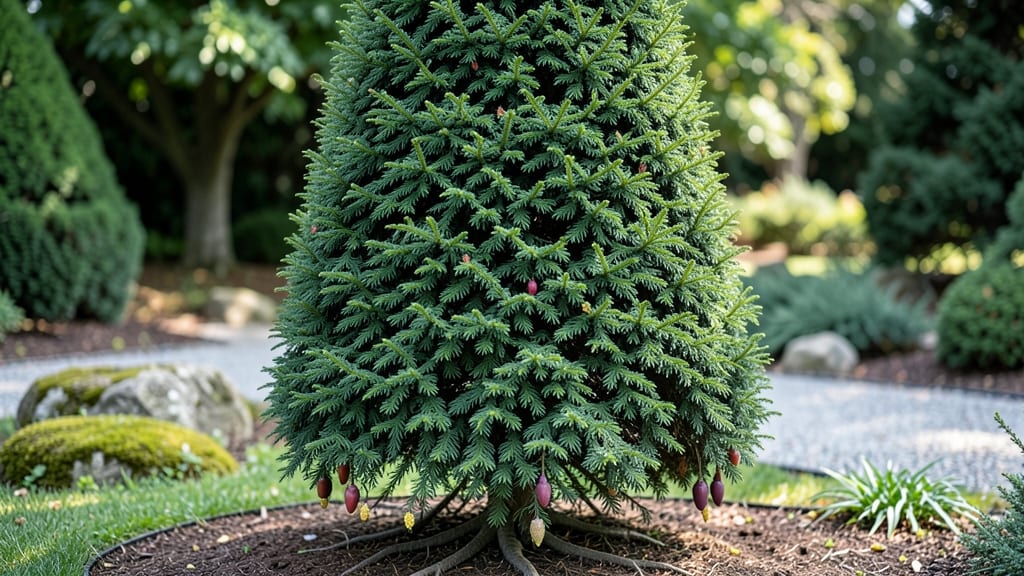
If you’ve ever wondered how tall does podocarpus grow, you’re not alone—this evergreen can be a backyard game-changer or a space-hogging giant, depending on the variety and care you give it. 🌲 Some stay compact enough for small gardens, while others stretch toward the sky, making them perfect for large landscapes or privacy screens.
The key to controlling its height lies in understanding your specific podocarpus type. From the 3-foot-tall 'Shimpaku' to the towering 50-foot 'Podocarpus macrophyllus', each variety has its own growth trajectory.
Pruning at the right time can keep even the fastest-growing types in check, ensuring they fit your vision without overwhelming your outdoor space.
But here’s the catch: soil quality, sunlight exposure, and even your local climate play a huge role in how fast (or slow) your podocarpus reaches its mature height. In USDA Zone 6a, for example, growth rates can shift dramatically between spring and summer, so timing is everything.
Let’s break down the exact heights by variety and the pruning secrets to keep your podocarpus at your ideal size.
Whether you’re dreaming of a lush hedge or a statement tree, knowing these details will help you plan for success. Ready to discover how to shape your podocarpus into the perfect fit for your garden? Let’s dive in.


Podocarpus height by variety: exact growth ranges for popular species
If you’ve ever wondered whether your podocarpus will stay small or grow into a towering evergreen, the answer depends entirely on the variety you’ve planted. These versatile trees range from compact shrubs perfect for small gardens to tall specimens that dominate large landscapes.
Choosing the right type means understanding their mature height and growth habits.
For example, the Podocarpus macrophyllus, also called the Buddha’s Window, can reach 50 feet or more in ideal conditions, while the 'Shimpaku' cultivar stays a manageable 3–5 feet tall.
The difference isn’t just in aesthetics—it also affects how much space, pruning, and maintenance your podocarpus will need over time.
Below is a detailed breakdown of podocarpus height ranges by variety, including growth rates and ideal uses. This will help you visualize how each type fits into your landscape and whether it’ll need regular height control or can thrive on its own.
| Variety | Mature Height | Growth Rate | Ideal Use |
|---|---|---|---|
| Podocarpus macrophyllus | 30–50 ft | Slow to moderate (1–2 ft/year) | Large landscapes, privacy screens |
| Podocarpus gracilior ('Pencil Podocarpus') | 20–40 ft | Moderate (2–3 ft/year) | Tall hedges, specimen trees |
| Podocarpus 'Shimpaku' | 3–5 ft | Slow (6–12 in/year) | Borders, containers, small gardens |
| Podocarpus 'Maki' | 4–6 ft | Slow (8–12 in/year) | Foundation planting, low hedges |
| Podocarpus 'Blue Rug' | 2–3 ft | Very slow (4–6 in/year) | Ground cover, rock gardens |
| Podocarpus 'Totem' | 10–15 ft | Moderate (1–2 ft/year) | Small to medium gardens, hedges |
| Podocarpus 'Wheeler's Dwarf' | 3–5 ft | Slow (6–10 in/year) | Containers, bonsai, small spaces |
| Podocarpus 'Sunset' | 15–25 ft | Moderate (1.5–2.5 ft/year) | Specimen trees, mixed borders |
Note: Heights vary by climate and growing conditions. Coastal areas often see faster growth.
When selecting a podocarpus variety, consider not just its mature height but also how fast it grows. For instance, the Podocarpus macrophyllus might take 20+ years to reach its full height, while 'Shimpaku' stays compact for decades with minimal care.
If you’re working with limited space, dwarf varieties like 'Blue Rug' or 'Wheeler’s Dwarf' are ideal for containers or ground cover.
For larger properties, varieties like 'Totem' or 'Sunset' offer a balance between height and manageable growth rates. Always check your local USDA hardiness zone—some podocarpus varieties thrive in zones 6–10, while others prefer milder climates.
Coastal regions, for example, often see faster growth due to higher humidity and mild winters.
If you’re unsure which variety fits your space, start with a smaller cultivar like 'Shimpaku' or 'Maki'. These are forgiving for beginners and can be easily pruned to maintain their shape.
For bold statements, the taller varieties like Podocarpus macrophyllus make stunning focal points—but be prepared for long-term height management.
🌱
How pruning affects podocarpus height: techniques to control growth
Pruning isn’t just about shaping your podocarpus—it’s the secret weapon for controlling its height growth. With the right cuts, you can keep a 50-foot giant like Podocarpus macrophyllus at a manageable 10 feet or turn a 3-foot dwarf into a lush, bushy shrub.
The key is timing, technique, and knowing which parts to trim.
Most podocarpus varieties grow 6-12 inches per year, but aggressive pruning can slow that to just 2-4 inches. I’ve seen homeowners struggle when they prune at the wrong time—like cutting back in late summer—which stresses the plant and stunts growth.
The best time to prune is early spring, just as new growth begins, or late fall after the growing season.
Here’s how to prune for height control without damaging your podocarpus. Start by removing overly long branches from the top to encourage bushier growth lower down. For dramatic height reduction, cut back one-third of the top growth in stages over 2-3 years.
This prevents shock and gives the plant time to recover.
Step-by-Step Pruning for Height Control
- Step 1: Sterilize tools with rubbing alcohol to prevent disease spread. Use bypass pruners for small branches and a pruning saw for thicker growth.
- Step 2: Remove dead/diseased branches first—these can harbor pests and slow growth. Cut back to the healthy green wood.
- Step 3: Thin out crowded branches inside the canopy to improve airflow. Focus on vertical growth to reduce height.
- Step 4: Shape the top by cutting back 1/3 of the tallest branches. Make cuts just above a leaf node or outward-facing bud.
- Step 5: Avoid cutting into old wood—podocarpus struggles to regrow from woody stems. Stick to current season’s growth for best results.
- Step 6: Clean up debris and apply mulch around the base to retain moisture and protect roots.
Pruning too aggressively can shock your podocarpus, leading to stunted growth or even death. If you’re aiming for a compact shape, limit pruning to 10-15% of the plant’s height per year.
For example, if your Podocarpus gracilior is 15 feet tall and you want it at 10 feet, reduce it by 2-3 feet annually over 2-3 years.
One common mistake I see is topping podocarpus—cutting the very top to force bushiness. This often leads to ugly, uneven growth and weak branches. Instead, focus on selective pruning of the tallest stems to encourage a natural, balanced shape.
Pair pruning with regular fertilization (like a 10-10-10 NPK blend in spring) to support new growth.
For dwarf varieties like 'Shimpaku' or 'Maki', pruning is more about shaping than height control. Trim back spreading branches to keep them within their 3-5 foot range. Use hand pruners for precision and avoid heavy cuts that can expose the central leader to sunburn.