
How To
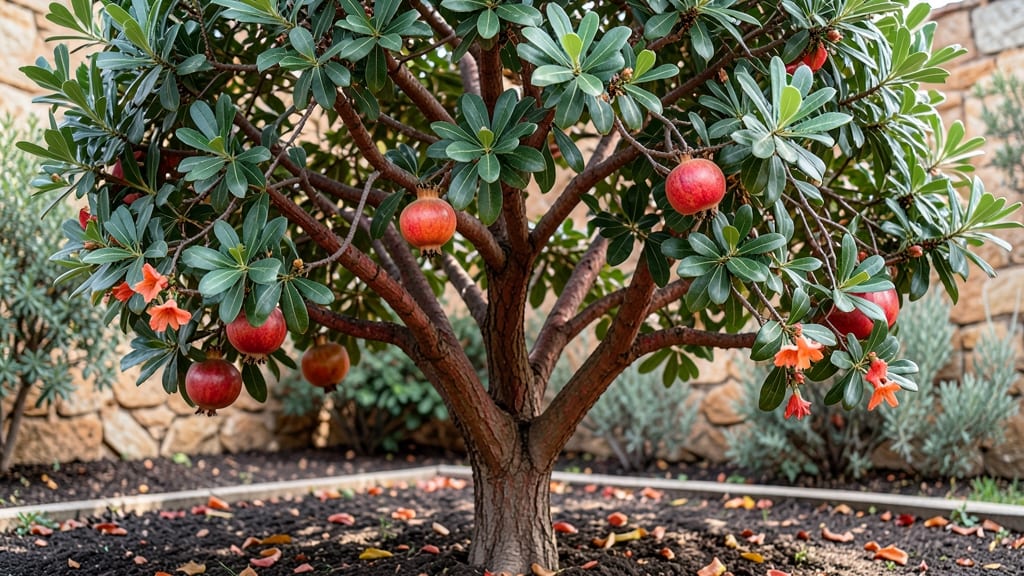
Wondering how tall does pomegranate grow before it becomes a space-hogging giant in your yard? The answer depends on whether you're growing a 6-foot dwarf variety or a towering 15-foot standard tree—and the choice could change how you design your garden layout.
Most pomegranate trees (like the popular 'Wonderful' variety) reach 10-15 feet at maturity, while dwarf types stay compact at 4-6 feet, making them perfect for containers or small spaces. This difference isn't just about aesthetics—it affects everything from sunlight exposure to pruning needs.
If you're planning your garden layout, spacing matters. Standard pomegranates need 10-15 feet between plants to thrive, while dwarf varieties can coexist comfortably in 6-foot circles. The right variety could mean the difference between a thriving 🍇 tree and one struggling for space.
Ready to grow your own? I'll walk you through how to pick the perfect variety for your space, plus pruning tips to keep your pomegranate at your ideal height—whether that's a bushy 6-footer or a grand 15-foot centerpiece.


Pomegranate tree height by variety: dwarf vs standard vs giant types
Pomegranate trees (Punica granatum) grow into stunning small trees or large shrubs, with mature heights ranging from 3 feet to over 20 feet, depending on the variety and growing conditions.
Understanding these differences helps you choose the perfect tree for your space—whether you have a small urban patio or a rural orchard. Most varieties fall between 6 and 15 feet, but dwarf types can stay under 6 feet, making them ideal for containers or small yards.
Your choice of variety directly impacts your tree’s height, growth rate, and even fruit production. For example, the ‘Wonderful’ pomegranate, a popular standard variety, typically reaches 10–15 feet at maturity, while the ‘Nana’ dwarf variety stays a compact 3–5 feet.
Climate also plays a role: trees in warmer USDA Zones 9–11 often grow taller and faster than those in cooler Zones 7–8, where cold snaps can stunt growth.
Below is a detailed comparison of 15+ common pomegranate varieties, including their mature heights, growth habits, and ideal climates. Use this guide to pick the perfect tree for your garden, balcony, or even a large container.
| Variety | Mature Height | Growth Rate | Climate Zone | Best For |
|---|---|---|---|---|
| Wonderful | 10–15 ft | Moderate (6–8 ft/year) | Zones 7–11 | Standard orchards, large yards |
| Eversweet | 12–18 ft | Fast (8–10 ft/year) | Zones 8–11 | Hot climates, large landscapes |
| Mollar de Elche | 6–10 ft | Slow (4–6 ft/year) | Zones 7–10 | Cold-hardy, small orchards |
| Nana (Dwarf) | 3–5 ft | Slow (2–3 ft/year) | Zones 7–11 | Containers, patios, small spaces |
| Sweetheart | 8–12 ft | Moderate (5–7 ft/year) | Zones 7–11 | Balconies, medium yards |
| Giant Granat | 15–20 ft | Fast (10+ ft/year) | Zones 9–11 | Large estates, tropical climates |
| Tajik | 6–10 ft | Moderate (5–6 ft/year) | Zones 7–10 | Cold-hardy, small orchards |
| Parfianka | 12–15 ft | Fast (7–9 ft/year) | Zones 8–11 | Warm climates, large gardens |
🌱 Pro Tip: Dwarf varieties like 'Nana' are perfect for containers—use pots at least 18–24 inches deep with drainage holes.
If you’re growing pomegranates in containers, prioritize dwarf or semi-dwarf varieties like ‘Nana’ or ‘Sweetheart’. These stay under 6 feet, making them ideal for balconies, rooftops, or small patios.
Just ensure your container is large enough—pomegranates have deep roots and need at least 18–24 inches of depth to thrive. For in-ground planting, standard varieties like ‘Wonderful’ or ‘Eversweet’ will dominate your landscape, reaching 10–15 feet and producing abundant fruit for decades.
Climate also influences height: trees in warmer zones (9–11) grow faster and taller, while those in cooler zones (7–8) may stay shorter due to slower growth in spring. For example, a ‘Wonderful’ pomegranate in Zone 10 might reach 15 feet in 5 years, while the
Optimal spacing and pruning tips to control pomegranate tree height
One of the biggest mistakes I see in gardens is planting pomegranate trees too close together. These trees need room to breathe—literally!
Standard varieties like 'Wonderful' can spread 10-15 feet wide at maturity, while even dwarf types need at least 6 feet of clearance to avoid root competition and disease. Proper spacing isn't just about height; it's about giving your tree the sunlight and nutrients it craves.
For standard pomegranate trees (10-15 ft tall), aim for 12-15 feet between plants in your garden layout. If you're growing multiple trees, consider planting them in rows with 15 feet spacing and 10 feet between rows.
This creates airflow and makes harvesting those heavy fruit clusters much easier. In smaller yards, dwarf varieties (4-6 ft) can be spaced 6-8 feet apart, making them perfect for containers or urban gardens.
Pruning plays a huge role in controlling height. If you want a bushier, more compact tree, prune in late winter or early spring before new growth begins. Focus on removing suckers at the base and overly tall branches to encourage lateral growth.
For taller trees, selective pruning of the central leader can help maintain a manageable height while still allowing fruit production. Remember, pomegranates are drought-tolerant once established, but they reward careful pruning with bigger, healthier fruit.