
How To
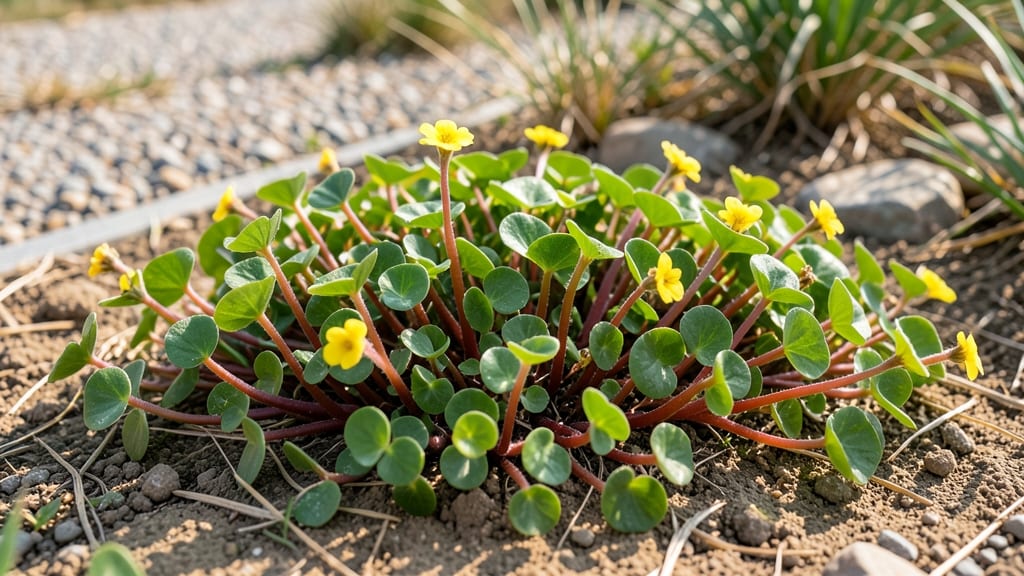
Wondering how tall does purslane grow before it turns your garden into a green carpet? This resilient succulent might look harmless, but its sprawling habit can quickly take over if you don’t know how to manage it.
Purslane 🌱 typically stays between 3 and 12 inches tall, but its real challenge is its horizontal spread—creeping aggressively across soil and even cracking through pavement. Unlike upright plants, it grows flat, making it harder to control without the right strategies.
If you’re dealing with purslane in your garden, you’re not alone. Many gardeners struggle with its rapid growth, but understanding its natural height and habits is the first step to keeping it in check. Let’s break down what you need to know to manage this persistent plant.
From ideal spacing to pruning tips, I’ll show you how to enjoy purslane’s benefits without letting it dominate your space. Ready to reclaim your garden?


Purslane growth height: what to expect from seed to spread
Purslane typically reaches 3 to 12 inches tall, but its real challenge lies in its horizontal spread. Unlike upright plants, it grows flat along the ground, creating a dense mat that can smother other plants or crack through pavement if left unchecked.
This succulent’s height might seem modest, but its aggressive sprawling habit makes it a formidable garden competitor.
When grown in ideal conditions—full sun and well-draining soil—purslane can hit the upper end of its height range, especially in warm climates like USDA zones 7–10. In cooler regions or shaded areas, it stays closer to 3–6 inches tall, with a more compact growth pattern.
The key difference? Sunlight and soil moisture directly influence how tall (or wide) it grows.
Understanding purslane’s growth stages helps predict its behavior. From seed, it sprouts quickly in 5–10 days, reaching 1–2 inches tall within weeks. By mid-summer, mature plants form a thick, sprawling carpet, often stretching 1–2 feet wide per plant.
This sprawl is why many gardeners mistake it for a weed—its height is deceptive compared to its spread.
Here’s the critical detail: purslane’s vertical growth stops early. Once it hits 6–12 inches, it focuses on spreading outward. This shift explains why it’s so hard to control—its energy goes into colonizing space rather than growing taller.
If you’ve ever pulled up a patch only to find roots tangled with nearby plants, you’ve seen this habit in action.
| Growth Stage | Height Range | Spread Width | Key Notes |
|---|---|---|---|
| Seedling | 0.5–2 inches | 0.5–1 inch | Fastest growth in warm soil |
| Mature Plant | 3–12 inches | 1–2 feet | Spreads aggressively in full sun |
| Flowering Stage | 6–10 inches | 1–3 feet | Height decreases as energy shifts to flowers |
Environmental factors play a huge role in how tall purslane grows.
In full sun, it thrives and can reach its maximum height of 12 inches, but in partial shade, it often stays under 6 inches. Well-draining soil is another game-changer—purslane hates soggy roots, which can stunt its growth.
If your garden has clay-heavy or waterlogged soil, expect purslane to stay shorter but spread more aggressively to escape moisture.
Climate also dictates purslane’s growth habits. In hot, dry regions, it grows taller and more upright to conserve moisture, while in humid climates, it sprawls wider but stays closer to the ground. This adaptability is why purslane is such a versatile (and sometimes invasive) plant.
If you’re in a coastal area, for example, you might see purslane growing in taller, bushier clumps compared to its flat, sprawling form in desert gardens.
One common misconception is that purslane’s height is predictable. In reality, its growth is highly variable depending on competition. If it’s the only plant in a bed, it will spread wildly.
But if surrounded by competing plants like lettuce or carrots, it may stay shorter but still outcompete them for space. This is why many gardeners intentionally grow purslane in containers—it limits its spread while still allowing you to harvest its edible leaves.
To visualize purslane’s height, think of a small houseplant like a sedum but flatter. Its leaves are thick and juicy, similar to a succulent, but its growth habit is more like a ground cover.
This unique combination makes it both a desirable edible and a challenging weed, depending on your perspective. The key to managing its height? Act early—once it’s established, controlling its spread becomes far more difficult.
If you’re growing purslane intentionally (as a salad green), aim to harvest it before it reaches 6 inches tall. Young leaves are tender and mild, while older plants can taste slightly bitter.
For weed control, the opposite is true—let it grow tall enough to smother weeds, but remove it before it seeds and spreads uncontrollably. Balance is everything with this resilient plant.
Purslane growth height: what to expect from seed to spread
Purslane 🌱 is a low-growing succulent that rarely exceeds 12 inches in height, but its horizontal spread is what makes it notorious. Unlike vertical plants, it grows flat along the ground, creating a dense mat that can smother other plants or invade unwanted spaces.
When it comes to mature height, you’ll typically see purslane between 3 and 6 inches tall under ideal conditions. However, in optimal sunlight and loose soil, it can stretch up to 12 inches—though it remains sprawling rather than upright.
What truly defines purslane’s growth is its rapid spread. A single plant can produce thousands of seeds and spread up to 3 feet wide in just one growing season. This makes it a ground-hugging weed rather than a traditional vertical plant.
| Growth Stage | Height Range | Spread Width | Key Notes |
|---|---|---|---|
| Seedling | 0.1–0.5 inches | 0.5–1 inch | Fast germination; needs thin soil. |
| Mature Plant | 3–12 inches | 1–3 feet | Succulent leaves; sprawling habit. |
| Flowering Stage | 6–10 inches | 2–4 feet | Yellow flowers; seed production peaks. |
Purslane thrives in full sun but can tolerate partial shade, which slightly reduces its height. Poor soil drainage or shady conditions may stunt its growth, keeping it closer to 3–6 inches tall while limiting its spread.
If you’re growing purslane as a culinary herb, harvesting young leaves keeps the plant compact and manageable. However, if left unchecked, its aggressive spread can turn it into a garden nuisance within weeks.
Understanding these growth patterns helps you decide whether to harvest, contain, or remove purslane before it takes over. For example, mulching or regular pruning can keep its spread in check while still allowing you to enjoy its nutrient-rich leaves.