
How To
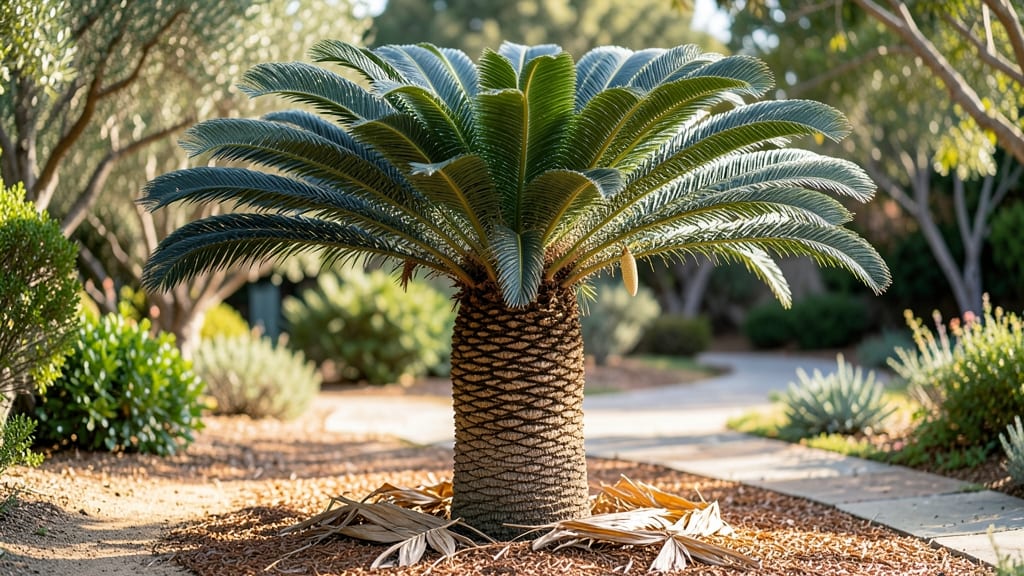
If you're dreaming of adding a tropical Sago Palm 🌴 to your home or garden but wondering how tall the Sago Palm can grow, you're not alone. The truth is, this striking plant's height varies wildly depending on where you grow it—indoors or outdoors—and how you care for it.
What many don't realize is that with the right approach, you can easily manage its growth to fit even the coziest spaces.
Outdoor Sago Palms can reach 15 to 25 feet at maturity, making them a bold statement in landscapes, while indoor versions typically stay between 6 to 10 feet. The difference comes down to sunlight, space, and pruning—factors you can control to keep your plant at your desired height.
Whether you're working with a small balcony or a sprawling yard, understanding these growth patterns is the key to getting the perfect-sized Sago Palm.
Let me show you exactly how to predict your Sago Palm's height based on its growing conditions and how simple adjustments can keep it from becoming an unmanageable giant.
You'll discover the surprising truth about its growth rate and the easiest ways to maintain a compact, healthy plant year after year.
From pruning techniques that work wonders to avoiding common mistakes that cause rapid growth, this guide gives you all the tools you need. Ready to grow a Sago Palm that fits your space perfectly? Let's get started.


Sago palm height by growing conditions: indoor vs outdoor growth charts
The sago palm (Cycas revoluta) is famous for its striking, tropical appearance, but its mature size can vary dramatically depending on where you grow it. In outdoor gardens, these plants can reach 15–25 feet tall over 10–15 years, while indoors, they typically stay between 6–10 feet tall.
Understanding these differences helps you plan for the right space and care routine.
Outdoor sago palms thrive in warm climates (USDA Zones 8–11) with full sun exposure, which fuels their rapid growth. Indoors, limited sunlight and container restrictions slow their expansion, making them ideal for smaller homes.
Let’s break down the key differences in growth patterns and how to manage them for your space.
| Growing Condition | Mature Height | Growth Rate (Annual) | Sunlight Needs | Space Requirements |
|---|---|---|---|---|
| Outdoor (Full Sun) | 15–25 ft | 1–3 ft/year (young) | 6+ hours direct sun | Wide spacing (10+ ft apart) |
| Outdoor (Partial Shade) | 8–12 ft | 6–12 in/year | 3–4 hours direct sun | 6–8 ft apart |
| Indoor (South Window) | 6–10 ft | 3–6 in/year | Bright, indirect light | 2–3 ft diameter pot |
| Indoor (Grow Lights) | 4–6 ft | 2–4 in/year | 12+ hours artificial light | 1–2 ft diameter pot |
Outdoor sago palms grow fastest when planted in well-draining soil with full sun exposure. In their first year, they may only reach 1 foot tall, but by year 3, they can surge to 4–6 feet.
Without proper spacing, their fronds can spread 10+ feet wide, so plan accordingly for outdoor landscapes.
Indoors, growth slows significantly due to limited light and container sizes. A sago palm near a south-facing window might only grow 3–6 inches per year, while those under grow lights can reach 4–6 feet in 5–7 years.
The key to controlling indoor height is repotting every 2–3 years and pruning old fronds to encourage bushier growth.
If you’re growing sago palms in containers outdoors, their height will also be restricted. A 15-gallon pot can keep a sago palm under 6 feet tall for years, while larger containers (30+ gallons) may allow it to reach 8–10 feet over time.
Always use pots with drainage holes to prevent root rot, which can stunt growth.
One common misconception is that sago palms grow too quickly. In reality, their growth rate depends entirely on their environment.
In shady conditions, they may grow as slowly as 1–2 inches per year, while in optimal outdoor settings, they can add 3 feet annually during their prime years (years 3–7).
For those in cooler climates (USDA Zones 7 or below), sago palms can be grown in large containers and brought indoors during winter. This method keeps them under 6 feet tall while protecting them from frost damage.
Just ensure they get bright light indoors during winter months to prevent leggy growth.
To visualize growth over time, imagine a sago palm in its 5th year outdoors: it could already be 8–10 feet tall with a 6-foot-wide canopy. Indoors, the same plant would likely be 3–4 feet tall with a more compact shape.
The difference comes down to light, space, and care—not the plant’s inherent growth potential.
If you’re unsure whether your space can accommodate a sago palm, start with a smaller variety like 'Sago Palm Compact', which stays under 4 feet tall even outdoors. These dwarf versions are perfect for patios, small yards, or large pots and still deliver the same striking foliage.
Now that you understand how sago
How to control sago palm height in small spaces: pruning and care tips
If you’re growing a sago palm in a small space, controlling its height is key to keeping it manageable. These plants can reach 6-10 feet indoors and 15-25 feet outdoors, but with the right care, you can keep them compact.
Start by understanding that pruning and repotting are your best tools for managing size.
For indoor sago palms, pruning fronds regularly prevents them from growing too tall. Use clean, sharp pruners to trim fronds at the base when they turn brown or yellow.
This not only controls height but also encourages new growth. Just avoid cutting into the trunk, as this can harm the plant.
- Step 1: Wait until fronds are brown or yellow before trimming.
- Step 2: Use sterilized pruners to cut at the base.
- Step 3: Remove only dead fronds—never cut into healthy tissue.
- Step 4: Dispose of trimmings to prevent pests.
- Step 5: Apply mulch around the base to protect roots.
Repotting is another way to control height, especially for indoor plants. Sago palms grow slowly, so you only need to repot every 2-3 years or when roots start circling the pot. Choose a container that’s only 2-3 inches larger in diameter than the current one to prevent excessive growth.
Well-draining soil is a must—mix cactus or palm soil with perlite for the best results.
Light and watering also play a role in managing height. Place your sago palm in a bright, indirect light spot (like a south-facing window) to encourage controlled growth. Avoid overwatering—these plants thrive on infrequent, deep watering (every 7-10 days) and can suffer if kept too wet.
Overwatering leads to rapid, weak growth, making the plant top-heavy and prone to falling.
In outdoor settings, space planning is crucial. Plant sago palms at least 10 feet apart to give them room to spread without crowding. If you’re in a smaller yard, consider dwarf varieties like 'Sago Palm Compact', which stay under 6 feet tall.
Regular pruning will keep them looking neat and prevent them from overshadowing other plants.
Finally, fertilize sparingly to avoid encouraging rapid growth. Use a balanced fertilizer (10-10-10) only in early spring and skip it entirely in summer, fall, and winter. Too much fertilizer can lead to lush, top-heavy fronds that make the plant unstable.
With these tips, your sago palm will stay the perfect size for your space! 🌴