
How To
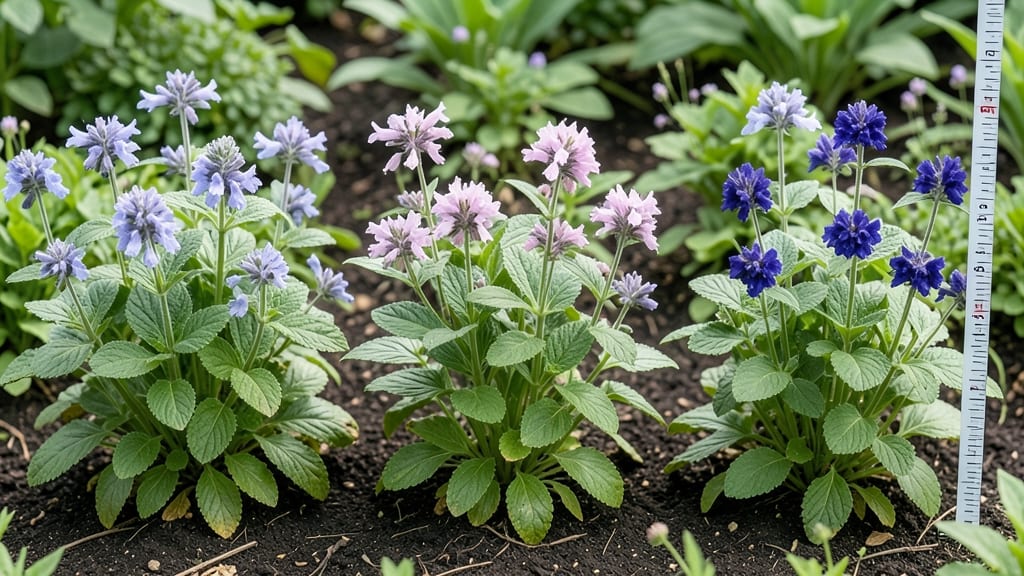
Curious about how tall your skullcap 🌸 might grow? The answer isn’t one-size-fits-all—this hardy perennial can stretch from just 6 inches to over 3 feet, depending on the variety and growing conditions.
If you’re planning your garden layout or container setup, knowing these height ranges is key. Some species, like the creeping skullcap, stay low and spread wide, while others, such as Scutellaria galericulata, reach toward the sky.
The right balance of sunlight, soil, and pruning can make all the difference in controlling its growth.
Whether you’re growing skullcap for its medicinal properties, as a pollinator magnet, or simply for its delicate blooms, understanding its potential height helps you place it perfectly. Let’s break down the factors that influence how tall your skullcap will grow—and how to keep it at your ideal height.
From dwarf varieties perfect for containers to towering types that thrive in garden beds, we’ll cover everything you need to know to get the most out of your skullcap plants. Ready to discover the secrets to managing its growth?


Skullcap plant height by variety: from dwarf to towering types
When planning your garden, knowing how tall skullcap (Scutellaria spp.) grows helps you choose the right spot. This hardy perennial comes in stunning varieties, each with its own height range.
Some stay compact at just 6 inches, while others reach towering 4 feet with proper care. Let's explore the most popular types and their mature heights.
Your choice of skullcap variety directly impacts your garden layout. For example, dwarf skullcap like Scutellaria 'Hidcote' stays under 12 inches, perfect for borders or containers. Meanwhile, tall varieties like Scutellaria galericulata can reach 3-4 feet, making them ideal for background planting or cottage garden backdrops.
| Variety | Mature Height | Growth Habit | Best For |
|---|---|---|---|
| Scutellaria lateriflora (Wild Blue) | 12-24 inches | Upright, spreading | Medicinal gardens, borders |
| Scutellaria galericulata (Marsh Skullcap) | 3-4 feet | Tall, clumping | Wetland gardens, backdrops |
| Scutellaria baicalensis (Chinese Skullcap) | 2-3 feet | Bushy, rounded | Herb gardens, containers |
| Scutellaria 'Hidcote' (Dwarf) | 6-12 inches | Compact, mounding | Rock gardens, edging |
| Scutellaria 'Blue Spires' | 18-24 inches | Spreading, upright | Pollinator gardens, borders |
I've found that Scutellaria lateriflora, also called wild blue skullcap, is my go-to for medicinal gardens. Its 12-24 inch height makes it perfect for interplanting with other herbs without overwhelming them. The blue flowers also attract pollinators like bees and butterflies, adding ecological value to your space.
For those with limited space, dwarf varieties like Scutellaria 'Hidcote' are game-changers. These stay under 12 inches but pack the same vibrant purple-blue blooms. I've used them in window boxes and as edging plants where their compact growth prevents them from spreading into lawn areas.
The tallest variety, marsh skullcap (S. galericulata), reaches 3-4 feet and thrives in moist conditions. This makes it ideal for rain gardens or areas near ponds. If you're designing a wetland garden, this variety adds vertical interest while supporting local wildlife.
When selecting skullcap varieties, consider your garden's sunlight conditions. Most varieties prefer partial shade (4-6 hours of sun daily), but taller types like marsh skullcap can tolerate more sun. I've noticed that overly sunny spots can cause leggy growth in shorter varieties, so placement matters!
Pro tip: If you're growing skullcap for medicinal purposes, shorter varieties like wild blue skullcap are often preferred. Their concentrated foliage makes harvesting easier, and studies show their active compounds are more potent when grown in cooler, shaded conditions.
For a stunning visual effect, I recommend mixing tall and dwarf varieties in the same garden bed. The height contrast creates dynamic layers, while the similar flower colors tie the design together. Try pairing Scutellaria galericulata in the back with Scutellaria 'Hidcote' in the front for a professional-looking border.
Remember that these height ranges are for mature plants in ideal conditions. Factors like soil quality, water availability, and pruning practices can significantly alter growth. In my next section, I'll show you exactly how to control skullcap height through simple garden techniques.
Skullcap plant height by variety: from dwarf to towering types
Skullcap (Scutellaria spp.) offers a stunning range of heights depending on the variety—some stay compact while others reach impressive heights. The wild blue skullcap (Scutellaria lateriflora) typically grows 12-24 inches tall, making it perfect for borders or cottage gardens.
Meanwhile, marsh skullcap (S. galericulata) can stretch up to 4 feet in ideal conditions, creating a dramatic vertical element.
For those with limited space, dwarf varieties like 'Hidcote' remain under 6 inches tall, perfect for rock gardens or container growing. The Chinese skullcap (S. baicalensis) usually reaches 2-3 feet, balancing height with its medicinal properties.
Understanding these differences helps you choose the right type for your garden design.
🌱
| Variety | Mature Height | Growth Habit | Best For |
|---|---|---|---|
| Wild Blue (S. lateriflora) | 12-24" | Upright, clumping | Borders, medicinal gardens |
| Marsh (S. galericulata) | 3-4 ft | Tall, spreading | Wetland gardens, tall borders |
| Chinese (S. baicalensis) | 2-3 ft | Bushy, upright | Medicinal use, containers |
| Dwarf 'Hidcote' | 6-12" | Compact, trailing | Rock gardens, windowsills |
| Purple (S. integrifolia) | 18-24" | Semi-upright | Pollinator gardens, borders |
Each skullcap variety brings unique height characteristics to your garden. The tallest varieties like marsh skullcap thrive in moist soil, while dwarf types prefer well-draining conditions. Matching the variety to your space ensures both aesthetic appeal and healthy growth.
If you're growing skullcap for medicinal purposes, shorter varieties like wild blue or Chinese skullcap are ideal—their concentrated compounds are easier to harvest. For visual impact, taller types create stunning vertical accents in shady areas.
🌿
Pro tip: Mix heights in your garden beds by pairing 2-foot varieties with taller plants like astilbe or ferns. This creates layered interest while keeping maintenance manageable. Always check your local climate zone—some varieties may need winter protection in colder regions.
🌸