
How To
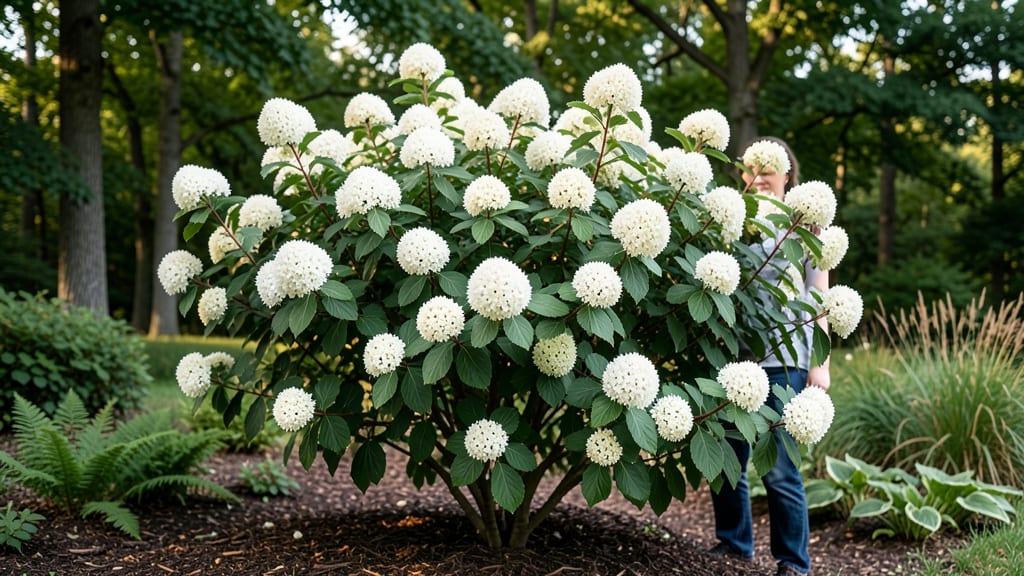
Wondering how tall does snowball viburnum grow before it takes over your garden? This stunning 🌸 shrub can reach 6 to 12 feet tall if left unchecked—but with the right pruning, you can keep it at a manageable 3 to 5 feet for years.
If you're planning your landscape and want to avoid an overgrown giant, timing matters. The first three years are critical—your snowball viburnum will shoot up 2 to 3 feet per year without intervention.
But don’t worry, I’ll show you exactly when and how to prune to control its height while keeping those iconic white spring blooms.
Whether you're in USDA Zone 6a or beyond, this shrub thrives with minimal fuss—but only if you understand its growth habits. We’ll cover everything from sunlight needs to the best tools for trimming, so you can enjoy its beauty without the mess.
Ready to transform your garden with a perfectly sized snowball viburnum? Let’s dive into the secrets of keeping this star shrub under control—without sacrificing its show-stopping blooms.


Snowball viburnum height: expected growth rates and mature size
If you’ve planted a snowball viburnum (Viburnum opulus), you’re likely curious about how tall it will grow without intervention. The answer depends on variety, USDA zone, and care practices. Left unpruned, this shrub typically reaches 6–12 feet tall and spreads 6–10 feet wide.
However, with strategic pruning, you can keep it between 3–5 feet tall, perfect for smaller gardens or foundation plantings.
In its first year, expect your snowball viburnum to grow 2–3 feet tall. By year two, it’ll surge to 4–5 feet, and by year three, it may hit 6–8 feet if left unchecked.
The growth rate slows after maturity, but without pruning, it can continue climbing toward its maximum height of 12 feet.
The USDA zones where you live also play a role. In colder zones (3–5), growth is slower due to shorter growing seasons, while in warmer zones (6–8), the shrub grows more aggressively.
For example, in Zone 6, a snowball viburnum might reach 8–10 feet by year five, whereas in Zone 4, it may take 7–10 years to reach the same height.
Sunlight exposure is another critical factor. While snowball viburnums thrive in partial shade, they grow taller and leggier in full sun. If you’re aiming for a compact shrub, plant it where it receives morning sun and afternoon shade. This setup encourages bushier growth and denser flowering.
Now, let’s break down the height milestones by age and care approach. The table below shows what to expect if you prune regularly versus letting the shrub grow naturally.
| Age | Height (Unpruned) | Height (Pruned) | Notes |
|---|---|---|---|
| Year 1 | 2–3 ft | 2–3 ft | Focus on root establishment. |
| Year 2 | 4–5 ft | 3–4 ft | Light pruning to shape. |
| Year 3 | 6–8 ft | 4–5 ft | Critical pruning year. |
| Year 5+ | 8–12 ft | 5–8 ft | Annual pruning maintains size. |
For those with limited space, consider dwarf varieties like Viburnum opulus ‘Compactum,’ which maxes out at 3–5 feet tall. These are ideal for small gardens or container growing. Even standard varieties can be kept smaller with annual pruning in late winter or early spring, right after flowering.
If you’re planting near a fence or wall, leave it unpruned to create a natural privacy screen. Just ensure it has enough root space—snowball viburnums spread widely, so plant it 6–10 feet away from structures or other plants.
In urban landscapes, pruning is often necessary to avoid overcrowding.
Soil quality also influences height. Well-draining, moist but not soggy soil encourages healthier growth. Amend heavy clay with compost or sand to improve drainage, which prevents root stress that can stunt growth. A balanced fertilizer (10-10-10) applied in early spring can also promote compact, bushier growth.
Finally, remember that snowball viburnums are slow to establish but reward patience with decades of blooms. With the right care, you can enjoy its snow-white spring flowers and red berries for years without it becoming a towering eyesore. The key is consistent pruning and proactive planning from day one.
Snowball viburnum height: expected growth rates and mature size
Understanding how tall your snowball viburnum (Viburnum opulus) will grow helps you plan its placement and care. Without pruning, this shrub typically reaches 6 to 12 feet tall at maturity, with a spread of 6 to 10 feet wide.
However, its growth rate varies by age and growing conditions. In the first year, expect 2 to 3 feet of growth, while years 2 and 3 see 1 to 2 feet annually.
After establishing, growth slows to 6 to 12 inches per year, making it a slower-growing shrub once mature. Regional climate also plays a role: cooler USDA zones (3-5) may see slightly slower growth, while warmer zones (6-8) can push heights closer to the upper limit.
Proper sunlight exposure—4 to 6 hours of morning sun—maximizes bloom size and encourages upright growth.
🌸
| Age | Height Range | Growth Rate | Notes |
|---|---|---|---|
| Year 1 | 2–3 ft | Fastest growth | Focus on root establishment |
| Year 2–3 | 4–8 ft | 1–2 ft/year | Prune lightly to shape |
| Mature (5+ years) | 6–12 ft | 6–12 in/year | Maintenance pruning keeps blooms vibrant |
| Dwarf Varieties | 3–5 ft | Slower growth | Ideal for small gardens |
If you’re aiming for a compact snowball viburnum, consider dwarf varieties like 'Compactum', which max out at 3 to 5 feet. These varieties thrive in containers or small gardens while still producing abundant blooms.
Even standard varieties can be kept smaller with regular pruning, which we’ll cover in the next section. The key is balancing growth with your landscape goals—whether that’s a privacy screen, hedge, or focal point.
For optimal height control, plant in well-draining soil with partial shade—this reduces stress and encourages denser growth. Avoid full sun, which can lead to leggy, taller growth. Mulching around the base also helps regulate soil temperature and moisture, further supporting controlled growth patterns.
🌿
Remember, height isn’t the only factor—the width and bloom density also matter. A well-pruned snowball viburnum will have fuller branches and more flowers, making it a standout feature in your garden.
Whether you choose a standard or dwarf variety, understanding its growth habits ensures you’ll enjoy its beauty for decades without it becoming overwhelming.