
How To
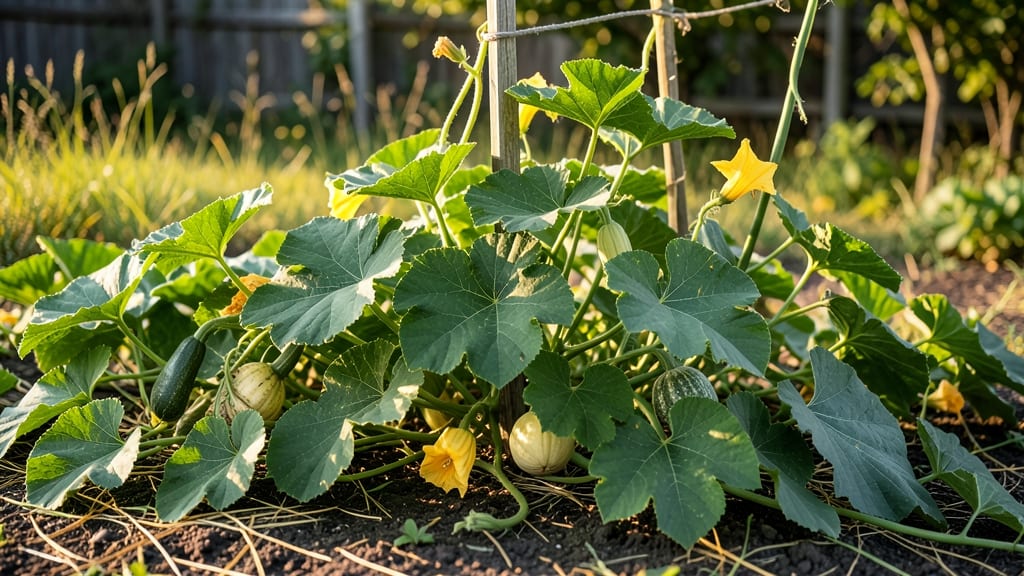
If you're planning to grow squash in your garden this spring, one of the first questions you'll have is how tall does squash grow—because the answer can completely change how you design your planting space.
Some varieties stretch like vines, reaching heights that could make your garden look like a jungle, while others stay neatly contained like compact bushes.
Understanding these differences is the key to avoiding overcrowded plants or wasted space. Whether you're working with a small balcony garden or a sprawling backyard, knowing which types thrive in tight spots—and which need room to roam—will make all the difference in your harvest.
Let’s break down the two main categories so you can pick the perfect fit for your space.
Vining squash varieties, like butternut or spaghetti squash, can climb 6 to 10 feet or more, while bush types like zucchini or pattypan stay between 2 and 4 feet tall. That’s a huge gap in space needs—and a game-changer for how you plan your garden layout.
The right choice depends on your available area, your gardening style, and even the types of squash you love to eat.
Ready to make the most of your growing season? We’ll cover everything from spacing tips to training techniques so you can maximize your yield without turning your garden into a tangled mess. Let’s get started!


Vining squash growth heights: space requirements and best varieties
If you're dreaming of a bountiful harvest of butternut squash or spaghetti squash, vining varieties are your best bet—but they need space. These sprawling plants can reach 6 to 10+ feet in height and spread just as wide, making them perfect for larger gardens or trellised setups.
Without proper planning, their vines can quickly overtake your yard, smothering other plants and creating a tangled mess.
Vining squash varieties thrive when given room to stretch, but their growth habits also make them ideal for vertical gardening. By training them on trellises or fences, you can save ground space while still enjoying a high-yield harvest.
The key is understanding their space requirements and choosing varieties that suit your garden layout.
Here’s what you need to know about vining squash growth, including top varieties and spacing tips to maximize your yield without sacrificing other plants.
| Variety | Height | Spread | Spacing Needs | Best For |
|---|---|---|---|---|
| Butternut Squash | 6-8 ft | 6-10 ft | 3-4 ft between plants | Trellising, large gardens |
| Spaghetti Squash | 6-10 ft | 5-8 ft | 4 ft between plants | Vertical growth, small spaces |
| Hubbard Squash | 8-12 ft | 10-15 ft | 5 ft between plants | Large gardens, rural areas |
| Delicata Squash | 4-6 ft | 4-6 ft | 2-3 ft between plants | Containers, small gardens |
As you can see, butternut squash and spaghetti squash are among the most popular vining varieties, but their sprawling nature means you’ll need to plan ahead.
For example, hubbard squash can grow up to 12 feet tall and spread even wider, making it ideal for rural gardens with plenty of space. If you’re working with limited room, delicata squash is a great compromise, staying shorter and more manageable.
One of the biggest mistakes gardeners make is underestimating the space requirements of vining squash. Without proper spacing, plants compete for nutrients and sunlight, leading to smaller yields and weaker vines. Always follow the recommended spacing guidelines—typically 3 to 5 feet between plants—to give your squash room to thrive.
If you’re growing vining squash in a small garden, consider using a trellis or fence to guide their growth upward. This not only saves space but also improves air circulation, reducing the risk of fungal diseases like powdery mildew.
Plus, it makes harvesting easier since fruits hang within reach rather than sprawling across the ground.
Another tip for managing vining squash is to plant them near the edge of your garden or along a fence. This way, their vines can extend outward without encroaching on other crops.
Just be prepared for some creative pruning to keep them in check, especially if they start to take over.
For those with container gardening in mind, vining squash can still work—but choose dwarf or semi-dwarf varieties like delicata squash. Even then, you’ll need a large container (at least 15-gallon capacity) and a sturdy trellis to support their growth.
Containers dry out faster, so monitor soil moisture closely to avoid stressing the plants.
Finally, remember that soil quality plays a huge role in vining squash growth. Rich, well-draining soil with plenty of organic matter will encourage stronger vines and larger fruits. Amend your soil with compost before planting, and consider side-dressing with fertilizer every 4-6 weeks to keep your plants thriving.
With the right variety and spacing, your vining squash can become a showstopper in your garden—and your kitchen! 🎃
Bush squash growth: compact varieties that save space
If you're working with limited garden space, bush squash varieties are your best friend. These compact plants typically reach 2 to 4 feet tall and spread 3 to 5 feet wide, making them perfect for small gardens, containers, or even urban balconies.
Unlike their vining cousins, bush squash doesn’t need trellises or sprawling rows—just a cozy corner with plenty of sunlight.
One of the most popular bush squash varieties is zucchini, which matures quickly (about 45 to 55 days) and produces abundant fruits. Other space-saving options include pattypan squash (also called scallop squash) and acorn squash, both of which stay compact while delivering flavorful harvests.
These varieties are ideal if you’re looking to grow squash without sacrificing other plants in your garden.
| Variety | Height | Spread | Days to Harvest |
|---|---|---|---|
| Zucchini (e.g., 'Black Beauty') | 2-3 ft | 3-5 ft | 45-55 days |
| Pattypan ('Sunburst') | 1.5-2.5 ft | 2-3 ft | 50-55 days |
| Acorn ('Table Queen') | 2-3 ft | 3-4 ft | 50-60 days |
| Bush Butternut ('Waltham') | 2-3 ft | 3-4 ft | 75-85 days |
For container gardening, choose compact bush varieties like 'Eight Ball' zucchini, which is bred specifically for pots and reaches only 1 to 2 feet tall. Just ensure your container is at least 12 inches deep and has drainage holes to prevent root rot.
Bush squash also benefits from mulching to retain moisture and suppress weeds, which is especially helpful in small spaces where every inch counts.
One common mistake is overcrowding bush squash even when they’re compact. While they don’t vine, they still need at least 2 feet of space between plants to avoid competition for nutrients and airflow. Poor spacing can lead to blossom end rot or powdery mildew, so plan accordingly.
If you’re growing multiple plants in a small area, consider interplanting with fast-growing crops like lettuce or radishes to maximize your yield.
Bush squash is also a great choice for beginner gardeners because they’re low-maintenance and forgiving. They thrive in well-draining soil with a pH of 6.0 to 6.8 and require consistent watering, especially during flowering and fruiting.
Unlike vining types, bush squash doesn’t need staking or pruning, making them a hassle-free addition to any garden—no matter how small.
Whether you’re growing in a 5-gallon bucket or a raised bed, bush squash proves that you don’t need a sprawling garden to enjoy a bountiful harvest. With the right variety and a little planning, you can turn even the tiniest space into a productive squash patch. Happy gardening!