
How To
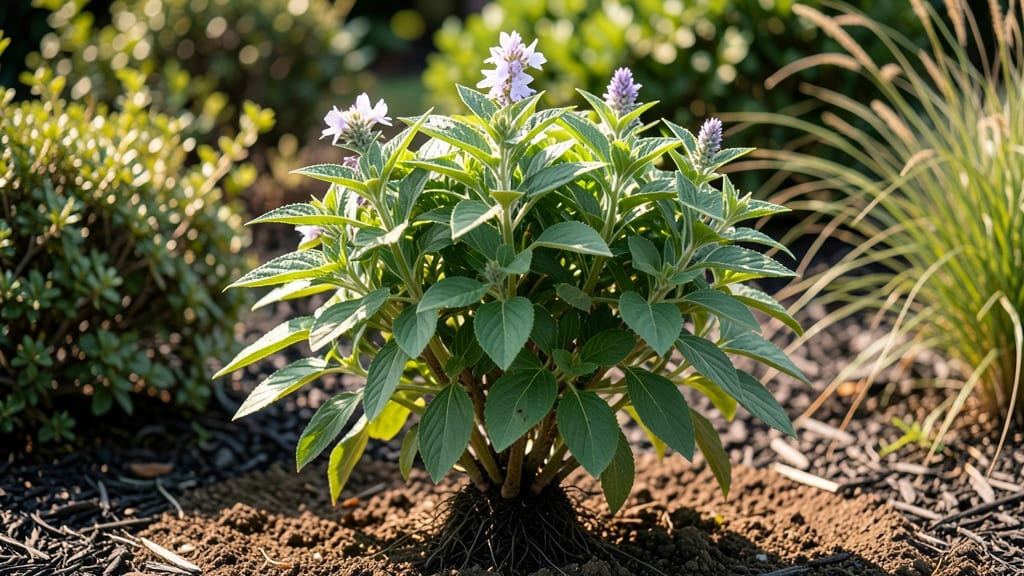
If you’re wondering how tall does stevia grow, the answer might surprise you—this sweet little herb stays much smaller than you’d expect, typically reaching just 12–24 inches at maturity. That makes it perfect for small gardens, containers, or even windowsill growing, without hogging space like taller herbs.
But here’s the catch: a few factors can push it beyond that range, and knowing them is key to getting the compact, bushy plant you want.
Most gardeners love stevia 🌿 for its natural sweetness, but its size often gets overlooked. Whether you’re growing it for culinary uses or medicinal benefits, understanding its growth habits helps you plan spacing, pruning, and even container choices.
For example, some varieties stay closer to 12 inches, while others stretch toward 24 inches—and that difference matters for your harvest.
What really controls stevia’s height? Sunlight, pruning, and soil quality play huge roles. Too much shade or overcrowding can make it leggy, while proper care keeps it bushy and manageable.
If you’ve ever wondered why your stevia seems taller (or shorter) than expected, we’ll break down the science behind it—plus how to tweak your approach for the perfect-sized plant.
Ready to grow stevia that fits your space without sacrificing sweetness? Let’s dive into the details so you can enjoy this versatile herb year after year—whether in your garden, pots, or even indoors. The best part? You’ll never have to worry about it taking over your yard again.


Stevia growth height guide: compact varieties and their natural limits
Stevia is one of those underappreciated herbs that delivers big flavor in a tiny package. Unlike its sprawling cousin mint, most stevia varieties grow between 12–24 inches tall—making them perfect for windowsills, container gardens, or small herb patches.
But here’s the catch: some gardeners report plants reaching 3 feet or taller, leaving many to wonder, "Did I overwater it? Is this normal?" The answer lies in the variety, growing conditions, and how you manage it.
If you’re planning your garden layout, knowing stevia’s natural height limits helps you avoid overcrowding. For example, Stevia rebaudiana (the most common variety) typically stays under 2 feet, while some heirloom or less common types might stretch taller.
Even then, with proper pruning and spacing, you can keep it in check. Let’s explore the specifics so you can grow stevia that fits your space—and your aesthetic!
🌱
| Variety | Mature Height | Growth Habit | Best For |
|---|---|---|---|
| Stevia rebaudiana | 12–24" | Bushy, upright | Containers, small gardens |
| Stevia lucida | 18–30" | Semi-sprawling | Ground cover, borders |
| Dwarf Stevia (e.g., 'Sweet Leaf') | 10–16" | Compact, rounded | Windowsills, indoor pots |
| Wild Stevia (e.g., Stevia ovata) | 24–36" | Tall, leggy | Back of beds, tall pots |
Height varies by growing conditions—pruning and sunlight play a big role!
As you can see, Stevia rebaudiana is the gold standard for home gardeners, thanks to its predictable height and high sweetness content. But if you’re growing stevia for ornamental purposes (like its silvery foliage), varieties like Stevia lucida or wild types might suit you better—though they’ll need more space.
Pro tip: Dwarf varieties are ideal for indoor growing or small containers, while wild types can reach 3 feet if left unchecked.
One common misconception is that stevia will grow as tall as basil or mint. In reality, it’s more like a small shrub or bush, with a woody base as it matures.
This makes it a great perennial option in warmer climates (USDA zones 9–11), where it can live for years with minimal care. In cooler zones, treat it as an annual or bring pots indoors before frost.
🌿
So, why do some stevia plants grow taller than expected? The answer often comes down to three key factors: sunlight exposure, watering habits, and pruning frequency. For example, stevia grown in partial shade may stretch toward light, reaching heights closer to 30 inches.
Meanwhile, plants in full sun with regular pruning stay compact and bushy. Even the soil type matters—stevia thrives in well-draining, slightly acidic soil (pH 6.0–7.0), but heavy clay can stunt growth or encourage legginess.
If you’re growing stevia in containers, choose pots at least 12 inches wide to accommodate its root system. Smaller pots restrict growth, but they also prevent overgrowth—ideal if you’re working with limited space.
Just ensure the pot has drainage holes to avoid root rot, which can weaken the plant and lead to uncontrolled height spikes as it struggles to stabilize.
For gardeners who love companion planting, stevia pairs well with thyme, oregano, and lavender—all of which share similar water and sunlight needs. Avoid planting it near aggressive spreaders like mint, which can overtake stevia’s delicate roots.
Instead, use stevia as a border plant or in herb spirals where its compact size adds structure without dominating the space.
Finally, remember that harvesting regularly encourages bushier growth. When you pinch back the top sets of leaves (especially on young plants), you signal the plant to grow wider rather than taller. This is a game-changer for keeping stevia at your desired height while maximizing your sweet leaf
Stevia growth height guide: compact varieties and their natural limits
When you’re planning your herb garden, knowing how tall does stevia grow is key to making the most of your space. Most stevia plants—like the popular Stevia rebaudiana—top out at 12–24 inches, making them ideal for small gardens, containers, or even indoor windowsills.
This compact size is one reason why stevia is often compared to herbs like thyme or oregano, which also stay low to the ground.
The height of your stevia depends on several factors, including the specific variety, growing conditions, and how you care for it. For example, some dwarf varieties stay closer to 12 inches, while others can reach 24 inches under ideal conditions.
Understanding these differences helps you choose the right type for your space and goals—whether you’re growing it for sweet leaves or just as a decorative herb.
Here’s a quick look at what influences stevia’s height and how to keep it within your desired range:
| Variety | Mature Height | Growth Habit | Best For |
|---|---|---|---|
| Stevia rebaudiana (Standard) | 12–24 inches | Bushy, upright | Garden beds, containers |
| Dwarf Stevia (e.g., 'Sweet Mary') | 8–15 inches | Compact, rounded | Windowsills, small pots |
| Stevia officinalis (Wild Type) | 18–30 inches | Tall, leggy | Wild gardens, less common |
If you’ve noticed your stevia growing taller than expected, it might be due to overcrowding, poor sunlight, or even too much fertilizer. These conditions can stretch the plant upward as it reaches for light or nutrients.
On the flip side, pruning regularly and providing 6+ hours of sunlight daily will encourage a bushier, more compact growth habit—ideal for maximizing leaf production for sweetening teas or recipes.
For container growing, choose pots that are at least 6–8 inches deep to accommodate the root system without restricting growth. If you’re planting stevia in the ground, space plants 12–18 inches apart to give them room to spread while keeping the garden tidy.
This spacing also improves airflow, reducing the risk of fungal issues that can weaken the plant and lead to leggy growth.
Remember, stevia’s natural height makes it a versatile herb for almost any garden.
Whether you’re growing it in a hanging basket, a windowsill planter, or a garden bed, its compact size ensures it won’t overpower your space—just don’t forget to prune it regularly to keep it at your desired height and encourage more sweet leaves! 🌱