
How To
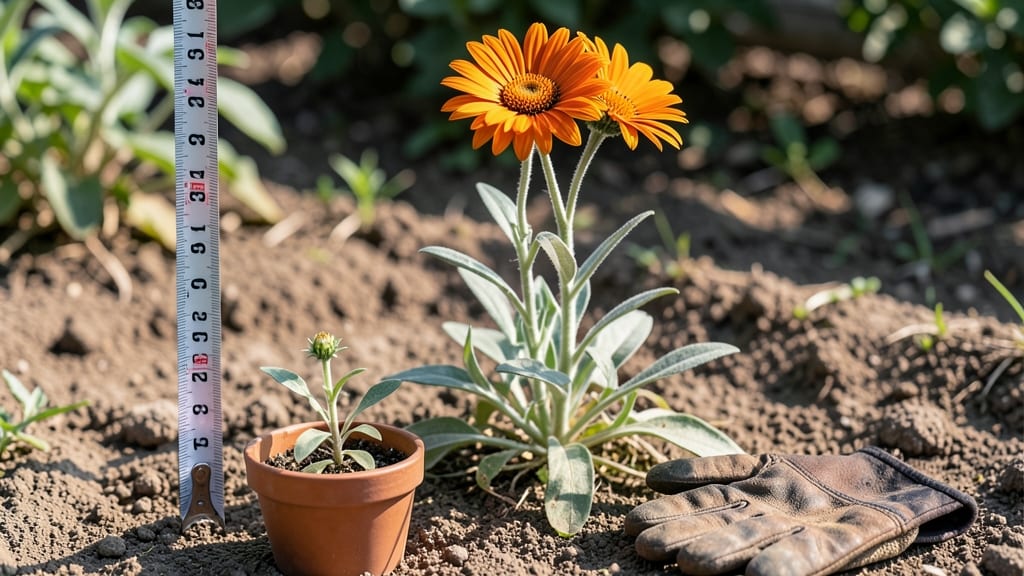
If you’ve ever wondered how tall strawflower grows and whether it’ll fit perfectly in your garden beds or containers, the answer might surprise you.
These cheerful 🌼 blooms can range from compact 1-foot wonders to towering 3-foot stalks, depending on the variety—and getting the spacing right is key to avoiding a floral traffic jam.
For gardeners in USDA Zone 6a, planting strawflowers in April-May sets them up for ideal growth, but their mature height depends entirely on the type you choose. Dwarf varieties stay low and bushy, while standard types reach their full 2-3 foot potential by summer.
Knowing these differences helps you plan everything from cut flower arrangements to border designs.
What’s more, strawflowers are annuals in most climates, meaning their height is their only shot at making an impact. Proper spacing—12 to 36 inches apart—prevents overcrowding and ensures each plant gets enough sunlight to thrive.
Whether you’re aiming for a neat, low border or a dramatic back-of-the-bed statement, understanding their growth habits is the first step to a showstopping display.
Ready to transform your garden? I’ll walk you through the exact spacing, pruning tips, and care tricks to help your strawflowers reach their full potential—without taking over your space. Let’s get growing!


Strawflower height by variety: compact to towering options
When planning your strawflower garden, height matters more than you might think. Some varieties stay compact at just 12 inches tall, while others can reach 3 feet or taller. The key is choosing the right variety for your space and design goals.
Whether you're creating a border garden or a cutting garden, knowing these height ranges helps you space plants properly and avoid overcrowding.
Strawflowers are annual plants in most climates, meaning they complete their life cycle in one season. Their mature height depends entirely on the variety you select.
For example, dwarf varieties like 'Mona Lisa' stay under 18 inches tall, while taller types like 'Limelight' can grow 36 inches or more. This variation lets you mix strawflowers with other plants for layered effects or use them as standalone focal points.
Proper spacing is critical to prevent competition for nutrients and sunlight, which can stunt growth. A general rule is to space strawflowers 12–36 inches apart, depending on their mature size. Overcrowding leads to leggy, weak stems and smaller blooms—something no gardener wants when aiming for those showstopping bouquets!
Here’s a quick comparison of popular strawflower varieties and their typical heights:
| Variety | Mature Height | Spacing Needs | Best For |
|---|---|---|---|
| 'Mona Lisa' | 12–18 inches | 12–18 inches apart | Container gardens, borders |
| 'Dwarf Sunset' | 15–20 inches | 15–20 inches apart | Front of beds, window boxes |
| 'Limelight' | 24–36 inches | 24–30 inches apart | Back of borders, cut flowers |
| 'Moonshine' | 18–24 inches | 18–24 inches apart | Mixed borders, pollinator gardens |
| 'Yellow Queen' | 24–30 inches | 24–30 inches apart | Cutting gardens, dried arrangements |
If you're growing strawflowers for cut flowers, taller varieties like 'Limelight' or 'Yellow Queen' are ideal—they produce long, sturdy stems perfect for bouquets. For container gardening, dwarf varieties like 'Mona Lisa' thrive in pots, adding color without overwhelming small spaces.
Always check the seed packet or plant tag for specific height ranges, as some newer hybrids may exceed standard expectations.
Another factor influencing height is growing conditions. Strawflowers grown in full sun (6+ hours daily) tend to reach their maximum height, while those in partial shade may stay shorter.
Well-draining soil also encourages upright growth—poor drainage leads to leggy, weak stems. Amend heavy clay soil with compost or sand to improve drainage and support healthy height development.
For cut-and-come-again blooms, deadhead spent flowers regularly. This encourages the plant to redirect energy into producing more blooms rather than seeding, which can sometimes cause plants to grow taller as they mature. Prune back leggy stems by one-third to promote bushier growth and prevent the plant from becoming top-heavy.
In my own garden, I’ve found that strawflowers in full sun with regular deadheading reach their full height potential. Last summer, my 'Limelight' variety hit 3 feet tall and produced blooms for nearly three months—far longer than I expected!
The key was spacing them 2 feet apart and ensuring they had well-draining soil.
Whether you're a beginner or a seasoned gardener, choosing the right strawflower variety for your space sets the stage for a vibrant, low-maintenance garden that thrives year after year. Experiment with different heights and spacing to create the perfect balance in your floral displays.
Strawflower height by variety: compact to towering options
Strawflowers (Helichrysum bracteatum) come in a stunning array of heights, from dwarf varieties that barely reach your knees to tall stalks that rival sunflowers. The variety you choose directly impacts your garden’s layout, so let’s break down the most popular types and their mature heights.
For example, the 'Moulin Rouge' variety stays compact at just 12-18 inches tall, while 'Grandiflora' can soar to 36 inches or more.
Understanding these differences is crucial because spacing requirements vary widely—dwarf types need 12-18 inches apart, while taller varieties require 24-36 inches to prevent overcrowding. This ensures each plant gets enough sunlight and air circulation, which are key to reaching their full potential height.
Whether you’re planning a container garden or a border display, knowing these specifics helps you avoid a messy, tangled mess.
Here’s a quick comparison of the most common strawflower varieties and their mature heights:
| Variety | Mature Height | Spacing Needs | Best For |
|---|---|---|---|
| 'Moulin Rouge' | 12-18 inches | 12-18 inches apart | Containers, borders |
| 'Grandiflora' | 24-36 inches | 24-36 inches apart | Back of beds, cut flowers |
| 'Orange King' | 18-24 inches | 18-24 inches apart | Mixed borders, bouquets |
| 'Dwarf Series' | 10-15 inches | 10-12 inches apart | Rock gardens, windowsills |
| 'Moonwalk' | 20-28 inches | 20-24 inches apart | Cut flower arrangements |
If you’re growing strawflowers for cut flowers, taller varieties like 'Grandiflora' or 'Moonwalk' are ideal because their long stems create dramatic bouquets. For container gardening, dwarf or semi-dwarf types like 'Moulin Rouge' or 'Orange King' work beautifully, especially in 12-inch pots with proper drainage.
Pro tip: If you’re unsure which variety to choose, start with a mix of heights to create visual interest. For example, plant dwarf types in the front and taller varieties in the back of your garden beds.
This layered approach not only maximizes height potential but also adds depth to your floral displays. Just remember, proper spacing is non-negotiable—it’s the secret to letting your strawflowers shine.
Now that you know the height range for each variety, let’s talk about how to maximize their growth with the right care and spacing techniques. Stay tuned for my next tips on pruning, sunlight needs, and soil conditions that will help your strawflowers reach their full potential height!