
How To
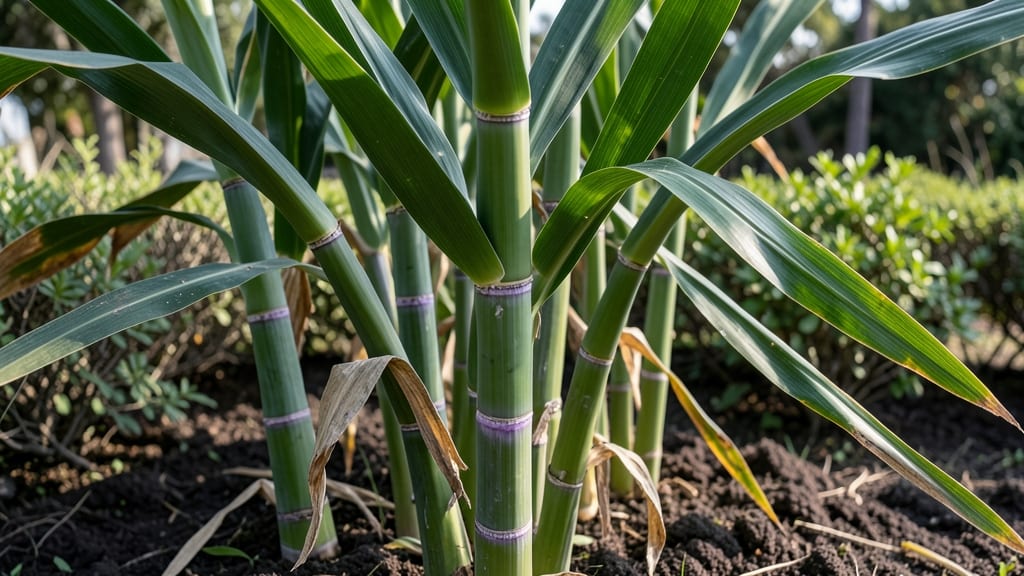
If you’ve ever wondered how tall sugarcane grows, the answer might surprise you—this fast-growing tropical plant can reach heights of 20 feet or more, making it one of the tallest crops on Earth.
Whether you're a home gardener or a farmer, understanding its growth potential is key to managing it effectively.
Sugarcane’s impressive stature isn’t random—it depends on factors like variety, climate, and care. Some dwarf varieties stay around 6 feet, while commercial strains can tower over 15 feet, especially in warm, humid regions.
Even in home gardens, proper spacing and support can help you grow taller stalks without sacrificing yield.
But here’s the catch: sugarcane’s height comes with challenges. Without the right techniques, it can become unwieldy, requiring staking or pruning to prevent damage from wind or pests. The good news? With the right approach, you can harness its growth potential while keeping it manageable.
Ready to learn how to grow sugarcane that’s both productive and practical? I’ll break down everything you need to know—from variety selection to maintenance tips—so you can get the most out of this giant plant.


Sugarcane height by variety: from dwarf to sky-high giants (with exact measurements)
When I first saw sugarcane reaching over 20 feet in tropical fields, I was stunned—it looked like a green skyscraper! But not all varieties grow that tall. Sugarcane's height varies dramatically, from compact dwarf types perfect for home gardens to industrial giants dominating commercial farms.
Let’s break down the exact heights you can expect from different varieties and what makes them grow so differently.
The tallest sugarcane varieties like Saccharum officinarum hybrids can soar to 18-24 feet under ideal conditions, while dwarf varieties like ‘CP 73-1010’ stay between 6-10 feet. These differences aren’t just about aesthetics—they’re tied to genetics, climate, and cultivation.
For example, tropical varieties thrive in humid, warm climates, while subtropical types adapt to cooler regions by staying shorter.
Here’s the surprising truth: height doesn’t always mean better yield. Some of the shortest sugarcane varieties, like ‘F163’ (6-8 feet), produce just as much sugar per stalk as their towering cousins.
This makes them ideal for small-scale farmers or home gardeners with limited space. The key is matching the variety to your growing conditions and goals.
The ‘Q117’ hybrid, for example, is an experimental variety that can reach 25 feet in 6 months under perfect conditions. This makes it a favorite for agricultural research, but it’s nearly impossible to grow in home gardens due to its size and water demands.
On the flip side, ‘Co 86032’ is a short-statured variety bred for drought-prone areas—it tops out at 12 feet but produces high sugar content per stalk.
If you’re growing sugarcane in a home garden, I recommend starting with dwarf or semi-dwarf varieties. They’re easier to manage, require less support, and still deliver sweet, edible stalks.
Plus, they won’t block your sunlight or shade out other plants. For instance, ‘CP 73-1010’ stays under 10 feet and is perfect for small plots or even large containers.
One common misconception is that taller sugarcane always means better quality. That’s not true! The sugar content and stalk thickness matter just as much as height. Some short varieties have higher sugar concentrations because they focus energy on stalk development rather than vertical growth. For example,
What determines sugarcane height? 4 Key factors that control its growth
Sugarcane’s height isn’t just luck—it’s a mix of genetics, climate, and care. Some varieties naturally reach 20+ feet, while others stay under 6 feet.
Understanding these factors helps you predict and even influence how tall your sugarcane grows. Let’s break down the science behind those towering stalks.
The first factor is variety selection. Just like tomatoes come in cherry and beefsteak types, sugarcane has dwarf, semi-dwarf, and giant varieties. For example, ‘Q117’ stays around 6–8 feet, while ‘CP73-1026’ can soar to 15+ feet in ideal conditions.
Choosing the right variety sets the height baseline before you even plant.
🌱 4 Key Factors Controlling Sugarcane Height
- 1. Variety Genetics: Dwarf (2–6 ft) vs. Giant (15–20+ ft)
- 2. Climate & Sunlight: Tropical zones boost growth; 8+ hours of sun daily
- 3. Water & Soil: Deep, fertile soil + consistent moisture = faster growth
- 4. Cultivation Practices: Pruning, spacing, and fertilizer balance affect stalk height
Next up is climate and sunlight. Sugarcane thrives in tropical and subtropical zones (USDA Zones 10–12), where warm temperatures and 12+ hours of daylight fuel rapid growth. In cooler regions, growth slows dramatically—expect 30–50% shorter stalks if you’re outside its ideal zone.
Even in perfect climates, shade from trees or buildings can stunt height by 20–30%.
Don’t underestimate the power of water and soil. Sugarcane is a water-hungry plant, and drought stress can halt growth entirely. Deep, well-draining soil rich in organic matter helps roots expand, supporting taller stalks.
I’ve seen 5-foot differences in height between plants grown in sandy soil (stunted) versus loamy soil (vigorous). A simple soil test can reveal if your garden is limiting potential height.
Finally, cultivation practices play a surprising role. Overcrowding forces plants to compete for nutrients, resulting in shorter, thinner stalks. Space sugarcane 18–24 inches apart for optimal height. Pruning also matters—removing side tillers early can redirect energy upward, adding 1–2 feet to mature height.
Conversely, neglecting fertilizer balance (especially potassium) weakens stalks, making them prone to lodging (falling over) before reaching full height.
By mastering these four factors, you can maximize sugarcane height—whether you’re aiming for a privacy screen or a harvest-worthy crop. Start with the right variety, then fine-tune the rest. Your garden’s skyline will thank you! 🌿