
How To
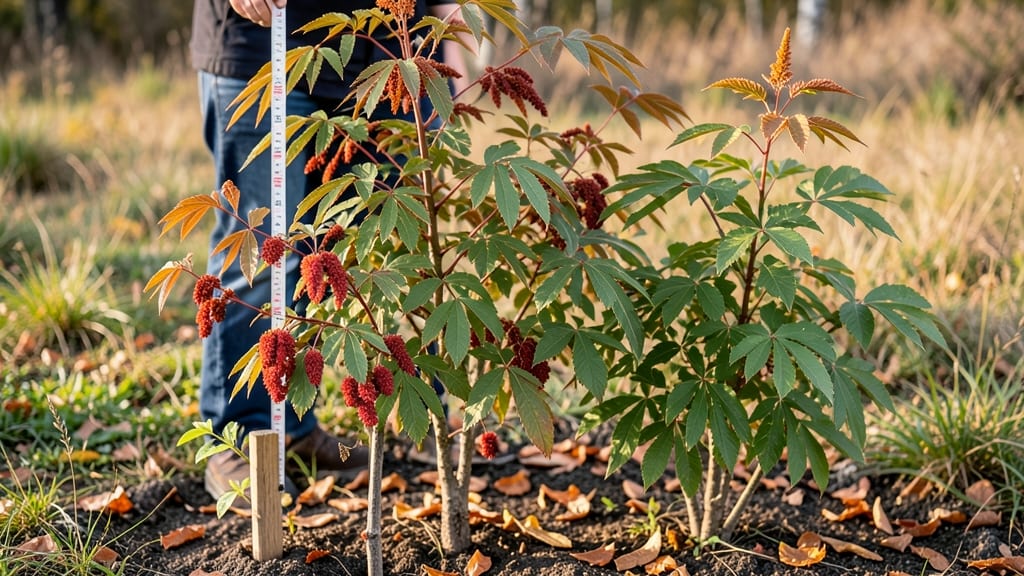
Wondering how tall does sumac grow in your backyard? This hardy plant can be a game-changer for wildlife, erosion control, or even a striking landscape feature—but its size might surprise you.
Sumac 🌿 ranges from compact shrubs to towering small trees, with mature heights spanning 6 to 25 feet. Some varieties stay neatly sized, while others grow tall enough to shade your patio. The key to managing its growth lies in understanding its species and your local climate.
Whether you're planning a wildlife-friendly garden or need a low-maintenance border plant, knowing sumac's growth habits helps you choose the right variety for your space. Let's break down the differences between shrub-like and tree-like sumac—and how to keep it in check.
From fragrant varieties that stay under 10 feet to staghorn sumac reaching 20 feet, each type has unique traits. I'll show you how sunlight, soil, and pruning can influence its height—and whether it's the right fit for your yard.


Sumac height variations: shrub vs tree growth patterns explained
Sumac plants can range from compact shrubs to towering small trees, making their mature height one of their most surprising traits. Whether you're planning a privacy screen or trying to control an invasive spread, knowing the height variations between species is essential.
Most sumac varieties fall into two broad categories: shrub-like forms (3–12 feet) and tree-like varieties (up to 25 feet), with growth habits influenced by species and growing conditions.
For example, Staghorn sumac (Rhus typhina) often grows as a multi-stemmed shrub, reaching 12–15 feet tall with a spread of 10–15 feet, while Smooth sumac (Rhus glabra) can grow into a 20–25-foot tree under ideal conditions.
Even within the same species, height can vary based on climate, soil quality, and pruning practices, so understanding these differences helps you make informed landscaping choices.
Here’s a quick comparison to visualize the height ranges and growth patterns of common sumac species:
| Variety | Mature Height | Spread | Growth Habit |
|---|---|---|---|
| Staghorn Sumac | 12–15 ft | 10–15 ft | Multi-stemmed shrub |
| Smooth Sumac | 20–25 ft | 15–20 ft | Small tree or large shrub |
| Fragrant Sumac | 6–10 ft | 6–10 ft | Compact shrub |
| Dwarf Sumac (e.g., 'Gro-Low') | 3–6 ft | 3–5 ft | Low-growing shrub |
If you're wondering how quickly sumac reaches its mature height, growth is remarkably fast in the first few years. A newly planted sumac can shoot up 3–5 feet per year in ideal conditions, though growth slows as the plant matures.
For instance, a Staghorn sumac might hit 6 feet tall by its third year, while a Smooth sumac could reach 10 feet in the same timeframe if given ample space and nutrients.
One common misconception is that all sumac grows into a towering tree. In reality, Fragrant sumac and dwarf varieties like 'Gro-Low' are perfect for smaller yards or container gardening, staying under 6 feet tall.
These varieties are also prized for their ornamental value, with vibrant fall foliage and clusters of red berries that attract wildlife. Choosing the right species for your space can mean the difference between a manageable shrub and an unruly giant.
Another factor to consider is the spread of sumac roots. Even if the plant itself stays compact, sumac spreads aggressively via underground rhizomes, which can push out 10–20 feet beyond the plant’s canopy.
This makes it a popular choice for erosion control on slopes or as a natural privacy barrier, but it also means you’ll need to plan for containment if you’re not aiming for a wild, natural look.
For those in urban or suburban landscapes, pruning in late winter can help control height and shape. Cutting back one-third of the oldest stems encourages new growth and keeps the plant bushier. Just be cautious—sumac produces allergenic sap, so wear gloves when pruning to avoid skin irritation.
Regular pruning also makes it easier to manage the plant’s height over time, especially for taller varieties like Smooth sumac.
If you're planting sumac for wildlife support, taller varieties like Staghorn or Smooth sumac provide excellent habitat for birds and butterflies. The berry clusters are a food source for wildlife, while the dense foliage offers shelter.
Even smaller varieties contribute to the ecosystem, so there’s a place for sumac in almost any landscape—whether you need a tall privacy screen or a low-maintenance ground cover.
To summarize, sumac height varies widely depending on the species, but with the right variety and care, you can enjoy its benefits without it overwhelming your yard.
Whether you opt for a compact shrub or a tall tree-like form, understanding these growth patterns will help you harness sumac’s potential while keeping it in check.
Sumac height variations: shrub vs tree growth patterns explained
Sumac plants can transform your yard from a modest shrub to a striking small tree, depending on the species and growing conditions.
The most common types—staghorn sumac, fragrant sumac, and smooth sumac—vary dramatically in height, with mature sizes ranging from 6 feet to over 25 feet. Understanding these differences helps you choose the right variety for your space or manage an existing plant's growth.
For example, staghorn sumac often grows as a multi-stemmed shrub, reaching 10 to 15 feet tall with a spread of 12 to 15 feet. Its dramatic, velvety red branches create a stunning winter silhouette.
Meanwhile, fragrant sumac typically stays smaller, maxing out around 8 to 12 feet, making it ideal for smaller yards or foundation plantings.
| Variety | Mature Height | Spread | Growth Habit |
|---|---|---|---|
| Staghorn Sumac | 10–25 ft | 12–15 ft | Multi-stemmed tree or shrub |
| Fragrant Sumac | 8–12 ft | 8–10 ft | Compact shrub |
| Smooth Sumac | 6–12 ft | 6–10 ft | Single-stemmed shrub |
| Dwarf Varieties (e.g., 'Red Velvet') | 3–6 ft | 4–6 ft | Compact ornamental shrub |
Climate plays a huge role in sumac height. In warmer, southern regions (USDA Zones 7-9), sumac often grows taller and faster due to longer growing seasons. For instance, staghorn sumac in Florida can reach 20+ feet within 5 years, while the same species in cooler climates like Zone 5 might max out at 12 feet.
Even within the same species, individual plants can vary. A staghorn sumac planted in full sun with rich soil may outpace one growing in partial shade with poor soil by 30-50%.
This variability is why many gardeners prefer fragrant sumac for controlled landscapes—its predictable 8-12 foot height makes it easier to integrate into hedges or privacy screens.
If you're concerned about sumac spreading beyond your desired area, remember that root suckers can create colonies. Regular pruning in late winter helps maintain shape and control height, while mulching around the base discourages unwanted suckers from emerging.
For the most compact options, look for cultivars like 'Red Velvet', which stay under 6 feet tall while offering the same vibrant fall colors.
Sumac’s height isn’t just about aesthetics—it also affects its ecological benefits. Taller varieties provide better wildlife habitat for birds and insects, while smaller shrubs work well for erosion control on slopes. Choose based on both your landscape goals and the local ecosystem you want to support. 🌳