
How To
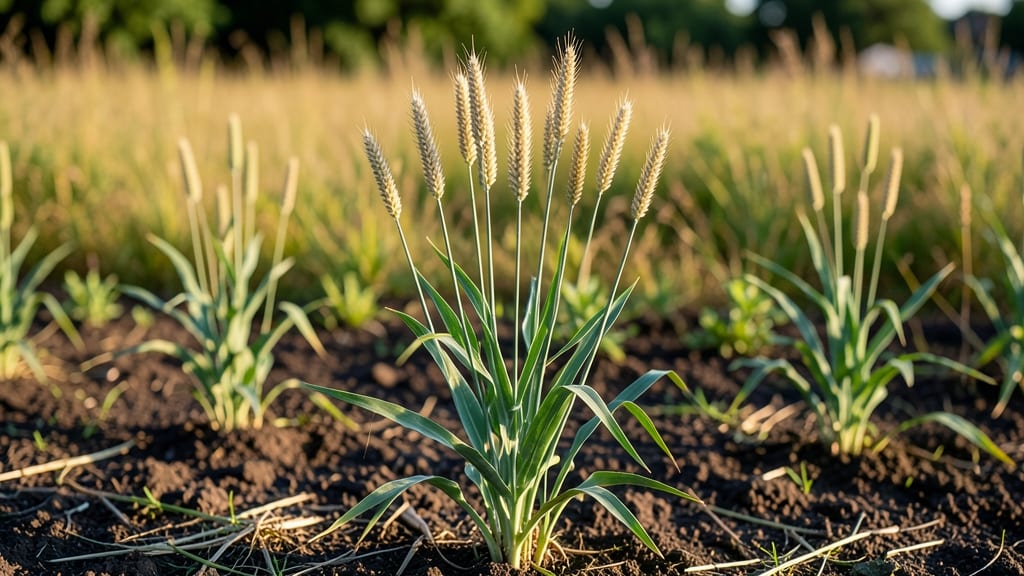
If you're wondering "how tall does triticale grow", you're not alone—this hybrid grain can surprise even seasoned gardeners with its dramatic 4- to 5-foot stature at maturity. 🌾 Unlike its shorter wheat cousins, triticale thrives when given space, making it a standout choice for those balancing aesthetics with productivity in their plots.
But here’s the twist: its height isn’t set in stone. With the right variety—like compact dwarf types or towering forage hybrids—you can tailor triticale to fit everything from cozy home gardens to sprawling farmland.
The key lies in understanding how soil, climate, and even your planting density influence its growth trajectory.
Whether you’re dreaming of a grain harvest or a lush ornamental border, knowing these factors will help you avoid overcrowding while maximizing yield. Let’s break down exactly how to control—or embrace—triticale’s impressive height potential for your specific needs.
From 3-foot dwarf varieties perfect for small spaces to 5-foot-plus giants** ideal for livestock feed, we’ll cover the full spectrum. Plus, discover how triticale stacks up against wheat and rye in both size and versatility—so you can make the best choice for your garden’s vision.


Triticale height ranges by variety: from dwarf to giant types
Triticale’s height can vary dramatically depending on the variety you choose, with some reaching tall forage heights while others stay compact enough for small gardens.
Understanding these differences helps you select the perfect type for your growing goals, whether that’s grain production, forage, or even ornamental use.
Most triticale varieties fall into three height categories: dwarf types (3–4 feet), semi-dwarf types (4–5 feet), and tall forage types (5–6+ feet). The key difference lies in their genetic makeup—some are bred for shorter stature to maximize grain yield, while others prioritize biomass production for livestock feed.
For example, ‘Pioneer 25R52’, a popular grain variety, typically matures at 4–5 feet tall, making it ideal for small-scale farmers or home gardeners harvesting grain.
In contrast, ‘Rosner’, a forage variety, can soar to 6 feet or taller, providing lush feed for animals but requiring more space.
Here’s how to match your needs to the right height range:
| Variety Type | Height Range | Best For | Growth Habit |
|---|---|---|---|
| Dwarf Varieties | 3–4 feet | Grain production, small gardens | Compact, upright |
| Semi-Dwarf Varieties | 4–5 feet | Balanced grain/forage, medium spaces | Moderate height, sturdy stems |
| Tall Forage Varieties | 5–6+ feet | Livestock forage, large fields | Tall, dense, sprawling |
If you’re growing triticale for grain, dwarf or semi-dwarf varieties are your best bet—they channel energy into seed production rather than excessive stem growth. For livestock forage, taller varieties like ‘Banwell’ or ‘Bezostaya’ thrive, producing high biomass that animals love.
Even within a single variety, height can shift based on growing conditions. For instance, ‘Rosner’ might max out at 5 feet in cooler climates but stretch to 6+ feet in warm, fertile soils. This flexibility means you can adjust spacing or fertilization to fine-tune height for your space.
Ornamental gardeners often choose semi-dwarf varieties for their textural appeal, using triticale as a tall border plant or wildflower meadow filler. Its feathery seed heads add winter interest long after other plants have faded.
Pro tip: Always check the seed packet or breeder’s notes for exact height ranges—some varieties can surprise you with unexpected growth spurts under ideal conditions.
For example, ‘Puma’, a newer variety, is marketed as a 5-foot forage type but can reach 6 feet in high-nitrogen soils. If space is limited, opt for ‘Pioneer 25R52’ or ‘Glenlea’, which reliably stay under 4.5 feet.
🌾
Triticale height ranges by variety: from dwarf to giant types
Triticale’s height can vary dramatically depending on the variety you choose, with some reaching 5+ feet while others stay under 3 feet. 🌾 The key difference lies in their genetic makeup—whether bred for grain production, forage, or ornamental use.
For example, dwarf varieties like 'Pioneer 25R51' max out at 3–4 feet, making them ideal for small gardens or container growing, while tall forage types like 'Glenlea' can tower to 6 feet or more.
If you’re growing triticale for grain harvests, semi-dwarf varieties (typically 4–5 feet) strike the best balance between yield and manageable height. These types, such as 'Rosner' or 'Cedar', are bred to avoid lodging (falling over) while still producing abundant kernels.
On the other hand, ornamental triticale varieties often prioritize visual appeal over height, with feathery plumes that add texture to borders or cutting gardens.
Here’s how triticale varieties break down by height and purpose:
| Variety Type | Height Range | Best For | Notes |
|---|---|---|---|
| Dwarf | 3–4 ft | Small gardens, containers | Low-maintenance, disease-resistant |
| Semi-Dwarf | 4–5 ft | Grain production, forage | Balanced yield and stability |
| Tall Forage | 5–6+ ft | Livestock feed, large fields | High biomass, needs spacing |
| Ornamental | 3–5 ft | Cutting gardens, borders | Decorative plumes, compact growth |
For home gardeners, dwarf or semi-dwarf varieties are the safest bet—especially if you’re short on space. These types also mature faster, giving you a harvest in as little as 90–120 days, compared to taller varieties that may take longer to reach full height.
If you’re growing triticale for livestock forage, however, taller varieties are worth the extra space—they produce 30–50% more biomass per acre.
One pro tip: If you’re unsure which variety to pick, start with a mix of heights in your garden. For example, plant a 3-foot dwarf along your fence for a tidy look, then add a 5-foot forage type in a dedicated patch for grain or feed.
This way, you get the best of both worlds—aesthetics and productivity—without sacrificing space. 🪴
Remember, even within a single variety, height can shift based on growing conditions. Rich soil, ample sunlight, and proper spacing can push a plant to its upper height limit, while poor soil or overcrowding may stunt its growth.
We’ll dive deeper into these factors in the next section to help you fine-tune your triticale’s height for your specific goals.