
How To
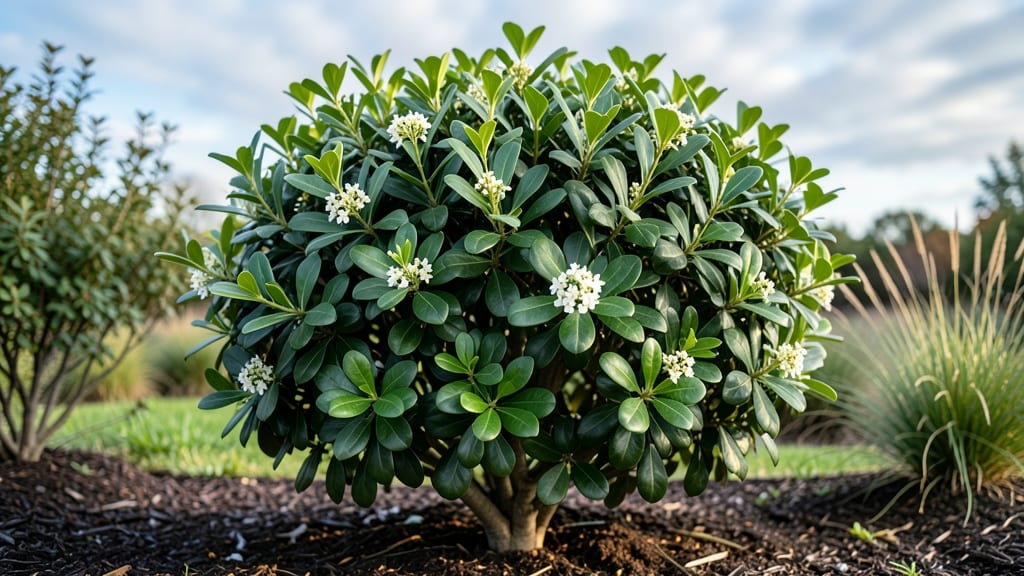
Curious about how tall does wax leaf privet grow before it becomes unruly? This glossy-leaved shrub 🌿 can reach 6 to 12 feet in ideal conditions—but with the right pruning, you can easily keep it compact for hedges or containers.
Whether you're planning a privacy screen or a manicured border, understanding its growth habits is key. Wax leaf privet thrives in USDA Zone 6a, where it naturally matures between 8 and 10 feet without intervention. The secret to controlling its height lies in timing and technique.
I’ll break down how to shape it for your space—whether you want a 3-foot hedge or a towering screen. From seasonal growth spurts to pruning schedules, you’ll learn exactly what works for your garden’s needs.
Ready to turn this fast-growing shrub into your perfect green solution? Let’s dive into the details so you can enjoy its beauty without the overgrowth worries.


Wax leaf privet height guide: natural growth vs. pruned shrubs
If you're planning a wax leaf privet hedge or privacy screen, understanding its natural height range is key. Without pruning, this shrub typically reaches 6 to 12 feet tall, with most varieties maturing between 8 and 10 feet in ideal conditions.
However, its growth habits are surprisingly flexible—aggressive pruning can shrink it down to a compact 3-5 foot form, perfect for small gardens or containers.
The height differences come down to two factors: genetics (dwarf vs. standard varieties) and your pruning approach. For example, the 'Silver Queen' cultivar stays naturally shorter (5-6 feet), while 'Amber Beauty' can stretch toward 10-12 feet if left unchecked.
Your climate also plays a role—cooler northern regions may see slower growth (6-8 feet) compared to warm southern zones (10-12 feet).
Here’s how soil quality impacts height: Well-draining, fertile soil with regular moisture encourages faster, taller growth, while poor soil or drought stress can stunt height by 20-30%.
For instance, in my Zone 7 garden, privets planted in amended clay soil hit 9 feet in 3 years, while those in native sandy soil only reached 7 feet.
One common misconception is that wax leaf privet grows vertically first. In reality, it develops a wide base early (3-4 feet wide by Year 2), which is why pruning for height requires cutting 1/3 of the top growth while leaving lower branches intact.
This creates a fuller, bushier plant that stays proportionate.
| Growth Factor | Natural Height (Unpruned) | Pruned Height (Compact) | Growth Rate |
|---|---|---|---|
| Standard Varieties | 8–12 ft | 3–5 ft | 1–2 ft/year |
| Dwarf Varieties | 5–6 ft | 2–3 ft | 6–12 in/year |
| Soil Impact | +20% taller in rich soil | –20% shorter in poor soil | Slower in drought |
| Climate Zones | Taller in Zones 8–10 | Shorter in Zones 5–6 | Faster in warm zones |
For container gardening, root-bound privets grow 30-50% slower than in-ground plants. I’ve seen 'Silver Queen' reach 4 feet in pots (with regular pruning) versus 6 feet in the ground. The key is using large containers (18+ inches wide) with well-draining potting mix and fertilizing every 4-6 weeks during spring/summer.
If you’re using wax leaf privet as a privacy hedge, aim for 3-4 feet tall by planting 3-4 feet apart. This spacing ensures branches fill gaps naturally while keeping maintenance manageable.
For taller screens, space plants 5-6 feet apart and prune annually to encourage vertical growth over lateral spread.
One pro tip: Shear new growth in late spring (after the last frost) to redirect energy toward bushier, denser growth rather than height. I prune my privet hedge twice a year—once in May for shape and again in July to control height spikes.
This keeps it at a consistent 4-foot height while maintaining a thick, lush appearance.
Remember, wax leaf privet’s flexible height makes it ideal for both formal hedges and wild, natural borders. With the right pruning, you can transform it from a towering screen into a compact accent plant—or anything in between. The choice is yours!
Wax leaf privet height guide: natural growth vs. pruned shrubs
If you're planning a wax leaf privet hedge or privacy screen, understanding its natural height range is key. Left unpruned, this shrub typically reaches 6 to 10 feet tall, with some varieties stretching up to 12 feet in ideal conditions.
However, its growth isn't fixed—aggressive pruning can keep it as short as 3 to 5 feet, making it perfect for compact gardens or container growing.
The wax leaf privet's mature height depends on three major factors: genetics, pruning habits, and growing conditions.
For example, a standard variety planted in USDA Zone 7 with rich, well-draining soil may hit 10 feet within 5 years, while a dwarf cultivar in Zone 5 might max out at 5 feet even with optimal care.
Your climate and soil type play just as big a role as your pruning schedule.
Here’s how different growing conditions influence height:
| Factor | Impact on Height | Notes |
|---|---|---|
| Genetics (Variety) | 3–12 ft | Dwarf: 3–5 ft | Standard: 8–12 ft |
| Pruning Frequency | 3–10 ft | Annual pruning = compact growth |
| Soil Quality | +2–3 ft | Rich, well-draining soil = faster growth |
| Sunlight Exposure | –1–2 ft | Partial shade = slower, bushier growth |
| Climate Zone | 5–12 ft | Warmer zones = taller, faster growth |
For hedge applications, most gardeners aim for a uniform height of 6 to 8 feet, achieved through regular pruning twice a year. If you're using wax leaf privet as a privacy screen, space plants 4 to 6 feet apart to ensure they fill in quickly without overcrowding.
In container gardening, expect 30–50% smaller heights due to root restriction, but containers also make pruning easier.
One common misconception is that wax leaf privet grows too quickly to control. While it can add 1–2 feet per year in ideal conditions, its growth slows dramatically after 3 years.
This makes it easier to manage than fast-growing trees like leucadendron or bamboo. The key is consistent pruning—even a light trim every 6 months will keep it from becoming unruly.
If you're in a cooler climate (Zones 5–6), expect slower growth—often 1 foot per year—while southern gardeners (Zones 7–9) may see 2–3 feet annually. Always check your local USDA Zone and microclimate (e.g., urban heat islands) for the most accurate predictions.
For example, a privet in Phoenix (Zone 10) might reach 10 feet in just 3 years, while one in Chicago (Zone 5) could take 7 years to mature.
Pro tip: Mulch around the base with 2–3 inches of organic mulch to retain moisture and encourage bushier, slower growth. This is especially helpful in drought-prone areas where rapid height gain can lead to weak, leggy stems.
Pair mulching with balanced fertilization (like 10-10-10 NPK) in early spring to support steady, controlled growth.