
How To
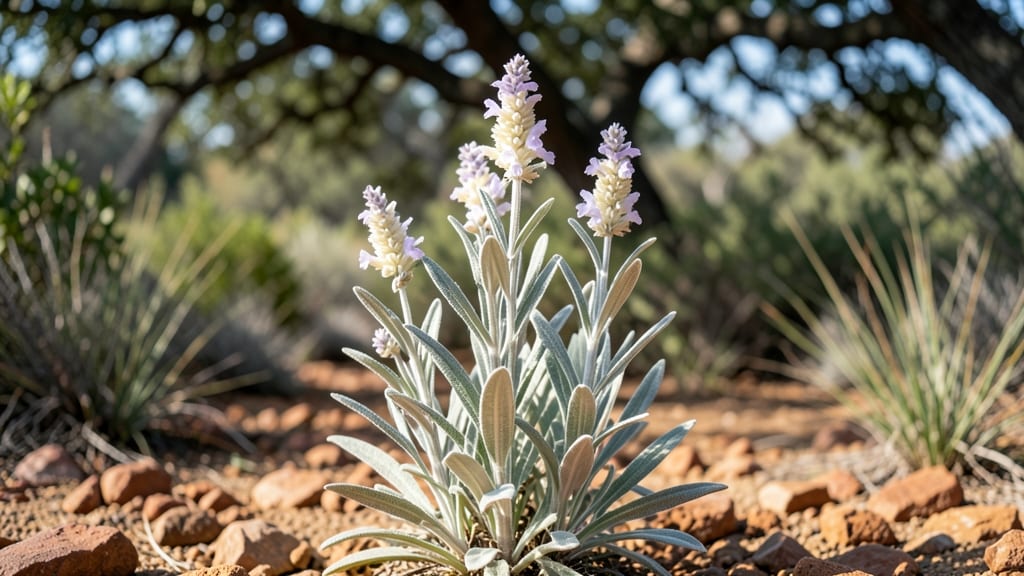
If you're wondering how tall does white sage grow, the answer might surprise you—this hardy herb can reach heights of 3 to 6 feet when given the right conditions. That towering presence makes it a standout in drought-resistant gardens, especially in USDA Zone 6 and beyond.
Native to the arid regions of the southwestern U.S. and Mexico, white sage thrives in full sun and well-draining soil, which helps it grow taller and stronger over time.
Unlike some herbs that stay compact, this medium-sized perennial (🌿) can become a striking focal point in your landscape, especially when planted in late spring or early summer.
But here’s the key: proper spacing and care make all the difference. Crowding can stunt its growth, while the right balance of sunlight and water encourages that full, mature height.
Whether you’re using it for its aromatic leaves or just admiring its silvery foliage, understanding its growth habits helps you cultivate it like a pro.
Ready to maximize your white sage’s potential? Let’s break down everything you need to know to give it the space—and love—it deserves to reach its full height.


White sage growth height: mature size and varietal differences
White sage (Salvia apiana) typically reaches a mature height of 3 to 6 feet, making it a striking vertical element in xeric landscapes and native plant gardens.
Unlike its shorter cousin, common sage (Salvia officinalis), white sage grows taller with a more woody, upright stem, especially in full-sun conditions.
Its growth rate accelerates after the first year, with year 2 plants often hitting 2–3 feet and fully mature specimens towering 5–6 feet in ideal settings.
In USDA Zones 6–10, where white sage thrives, its height can vary based on soil quality, water availability, and pruning habits.
For example, plants in well-draining sandy soils (like its native California habitats) grow taller and more robust than those in clay-heavy soils, which can stunt root development. Even in container gardens, white sage will reach 3–4 feet if given enough space and sunlight.
Here’s how white sage’s height compares to other drought-tolerant perennials:
| Plant | Mature Height | Growth Habit | Sun Needs |
|---|---|---|---|
| White Sage (Salvia apiana) | 3–6 ft | Upright, woody | Full sun |
| Common Sage (Salvia officinalis) | 1–2 ft | Bushy, compact | Full sun |
| Lavender (Lavandula) | 1–3 ft | Clumping, aromatic | Full sun |
| Rosemary (Rosmarinus officinalis) | 3–6 ft (or kept trimmed) | Shrubby or tree-like | Full sun |
White sage’s height is directly influenced by sunlight exposure. In partial shade, it may only reach 2–3 feet, while 6+ hours of direct sun per day encourages its full 3–6 foot potential.
This makes it ideal for southern exposures or arid climates where water is scarce but sun is abundant. If you’re growing white sage in cooler coastal areas, expect slightly shorter heights (3–4 feet) due to slower growth rates.
Another factor affecting height is pruning frequency. Left unpruned, white sage develops a single dominant stem with side branches, while regular spring pruning encourages a bushier, multi-stemmed form that stays shorter (2–4 feet).
This is especially useful for container gardening or small-space landscapes where vertical growth needs control.
For ceremonial or medicinal uses, taller white sage (5–6 feet) is preferred, as the lower leaves contain the highest concentration of volatile oils. However, if you’re growing it for culinary purposes, a shorter, bushier plant (3–4 feet) is easier to harvest.
Always allow at least 2–3 years for white sage to reach its full height and establish a strong root system before heavy harvesting.
In wildland settings, white sage can grow even taller—up to 7 feetcultivated gardens, however, consistent soil moisture (without waterlogging) and minimal competition from weeds will help it achieve its 3–6 foot ideal.
Avoid over-fertilizing with high-nitrogen mixes, as this promotes leafy growth at the expense of vertical development.
If you’re planting white sage near paths or patios, aim for 4–6 feet apart to accommodate its mature height and prevent shading of nearby plants.
In rock gardens or xeric landscapes, spacing them 3–4 feet apart allows for natural airflow and reduces the risk of fungal diseases like powdery mildew, which can occur in crowded conditions.
Pro tip: To encourage taller growth, avoid pruning the central leader stem in early spring. Instead, focus on removing dead or crossing branches to maintain an open, airy structure. This approach lets white sage reach its full potential height while keeping the plant healthy and aroma-rich.
🌿
White sage growth height: mature size and varietal differences
White sage (Salvia apiana) typically reaches a mature height of 3 to 6 feet, making it a striking vertical element in drought-tolerant gardens. Its upright growth habit and silvery foliage create a stunning backdrop for pollinators like bees and butterflies.
Unlike its cousin, common sage (Salvia officinalis), white sage grows taller and more robust, especially in full sun conditions and well-draining soils.
In its native habitats of the southwestern U.S. and northern Mexico, white sage thrives in arid climates where it can stretch toward its upper height limit. However, in cooler regions or partial shade, expect growth to stay on the shorter side—around 3 to 4 feet.
Understanding these variations helps you plan for both aesthetic appeal and functional spacing in your garden layout.
| Growth Stage | Height Range | Key Factors |
|---|---|---|
| First Year | 1–2 feet | Establishing roots; minimal vertical growth |
| Second Year | 2–3 feet | Rapid growth with full sun exposure |
| Mature Plant | 3–6 feet | Full height in ideal conditions; prune to control |
If you’re growing white sage in containers, expect slightly shorter heights—typically 2 to 4 feet—due to root restriction. However, the plant’s woody stems and silver-gray leaves still make it a standout feature in patio gardens.
For landscape design, consider pairing it with shorter perennials like lavender or yarrow to create visual contrast while maintaining a cohesive look.
One common misconception is that white sage grows wild and unruly, but with proper seasonal pruning, you can encourage a neater, bushier form. Trimming back one-third of the plant in early spring promotes denser foliage and prevents it from becoming top-heavy.
This practice also helps maintain its aromatic properties, which are most potent in well-maintained plants.
For those in USDA Zones 6–10, white sage is a perennial, meaning it will return year after year, gradually increasing in height and robustness. In cooler zones, treat it as a short-lived perennial or dig up and overwinter indoors.
Its slow-to-moderate growth rate means you won’t see dramatic changes overnight, but with patience, it becomes a long-term investment in your garden’s beauty and functionality.
To maximize height while keeping your white sage healthy, focus on soil preparation and sunlight exposure. Amend heavy soils with sand or gravel to improve drainage, and place it in the sunniest spot available.
With these conditions met, you’ll see your white sage reach its full potential—both in height and in the calming, earthy scent it brings to your outdoor space. 🌿