
How To
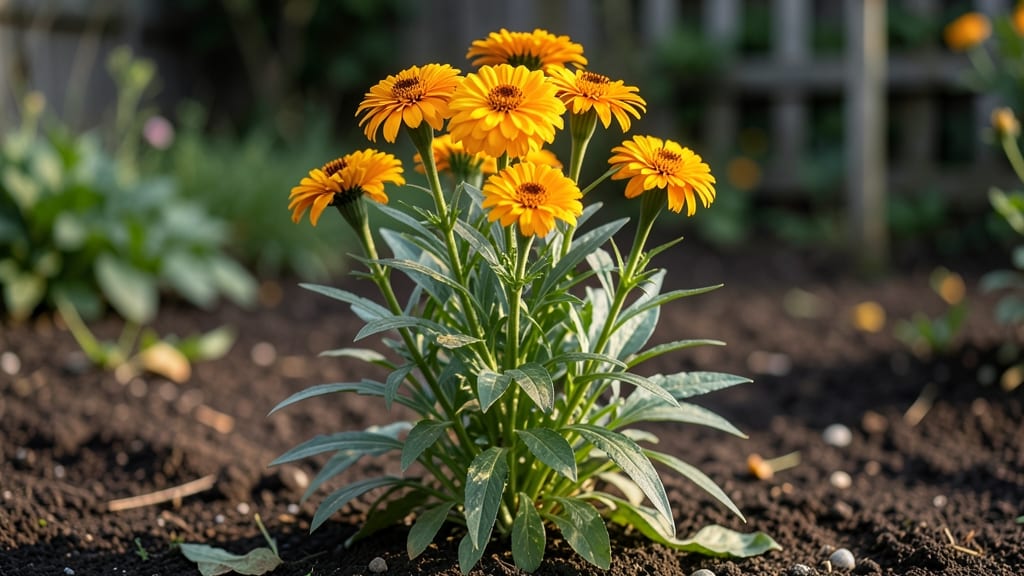
Ever wondered how tall marigolds grow and whether your garden will end up looking like a marigold jungle or a perfectly manicured flowerbed? The height of your 🌼 marigolds isn't just about aesthetics—it determines how you'll arrange them, how much space they'll need, and even how well they'll thrive.
Some varieties stay as short as 6 inches, while others can reach a towering 3 feet, making the right choice crucial for your garden's layout.
Choosing the right marigold height can transform your garden from cluttered to cohesive. Whether you're working with dwarf varieties for borders or tall types for centerpieces, understanding their growth patterns helps you plan spacing and companion plants effectively. The key is knowing which types fit your space and design goals.
From the compact French marigolds that stay under 1 foot to the bold African marigolds that can stretch to 3 feet, each variety has its own growth habits.
I'll break down the differences so you can pick the perfect marigolds for your garden and keep them looking their best all season long.
Ready to make your marigolds work for you? Let's dive into the world of marigold heights and discover how to create a garden that's both beautiful and well-balanced. You'll learn exactly what to expect and how to manage their growth for stunning results.


Marigold height ranges: compact vs tall varieties explained
Marigolds come in a stunning array of heights, from dwarf varieties perfect for containers to tall types that anchor garden beds. Understanding these differences helps you choose the right marigolds for your space—whether you're creating a neat border or a dramatic centerpiece.
The height of a marigold isn't just about looks; it affects spacing needs, companion planting, and even how well they repel pests.
Most marigolds fall into three height categories: dwarf (6–12 inches), medium (1–2 feet), and tall (2–3 feet). The variety you pick can transform your garden's layout.
For example, 'Tangerine' marigolds stay compact, ideal for window boxes, while 'Jumbo Yellow' marigolds reach towering heights, perfect for backdrop planting. Let’s break down the specifics so you can plan with confidence.
| Variety Type | Mature Height | Best For | Spacing Needs |
|---|---|---|---|
| Dwarf (e.g., 'Tangerine') | 6–12 inches | Containers, borders, window boxes | 6–8 inches apart |
| Medium (e.g., 'Bonanza') | 1–2 feet | Mixed beds, companion planting | 10–12 inches apart |
| Tall (e.g., 'Jumbo Yellow') | 2–3 feet | Backdrops, tall borders, cut flowers | 12–18 inches apart |
French marigolds, like the 'Crackerjack' series, typically stay on the shorter side (12–18 inches), making them ideal for edging pathways or interplanting with veggies.
In contrast, African marigolds, such as 'African Queen', can soar to 3 feet or taller, providing a striking focal point in your garden. Their height also makes them excellent for cut flower arrangements, as their sturdy stems hold up well.
If you're growing marigolds for pest control, taller varieties often work better because they create a barrier effect against nematodes and other soil-borne pests. However, dwarf varieties can still play a role in container gardens or small-space gardening, where their compact size is an advantage.
The key is matching the variety to your garden’s design goals and functional needs.
Another factor influencing height is growing conditions. Marigolds planted in full sun with well-draining soil tend to grow taller and more robust. If your marigolds seem stunted, check their sun exposure and soil quality.
Amending the soil with compost can give them the nutrients they need to reach their full potential height.
For container gardening, dwarf varieties are your best bet. A 5-gallon pot can comfortably hold 2–3 dwarf marigolds, while larger containers (10+ gallons) can accommodate medium-height varieties.
If you're using marigolds to frame a window or decorate a patio, choose a mix of heights to create visual interest without overwhelming the space.
Pro tip: If you love the look of tall marigolds but have limited space, consider pruning them regularly to control their height. This not only keeps them manageable but also encourages bushier growth and more flowers. We’ll cover pruning techniques in detail in the next section, so stay tuned!
Remember, marigolds are annuals, so their height is determined by their first growing season. With the right variety and care, you can enjoy their vibrant blooms and pest-repelling benefits year after year.
Now that you know the height ranges, it’s time to plan your spacing—because even the prettiest marigolds need room to thrive.
🌼
Marigold height ranges: compact vs tall varieties explained
Marigolds come in a surprising range of heights, from tiny 6-inch dwarfs to 3-foot giants, each perfect for different garden spaces. The variety you choose will determine whether your marigolds become a low border, a container star, or a dramatic centerpiece.
Understanding these height differences helps you plan spacing, companion plants, and even pest control strategies effectively.
Dwarf marigolds like 'Tangerine' stay between 6–12 inches, making them ideal for edging flowerbeds or filling gaps in rock gardens. These compact varieties thrive in containers and don’t need much room to spread.
Meanwhile, standard types like 'Jumbo Yellow' can reach 2–3 feet, perfect for adding height to mixed borders or as backdrop plants for shorter flowers.
African marigolds, such as 'Crackerjack', often grow the tallest at 2–3 feet, while French marigolds like 'Bonanza Mix' typically max out around 1–2 feet.
The key difference lies in their growth habits—African types grow taller with fewer blooms per stem, while French marigolds produce more flowers but stay shorter.
| Variety | Mature Height | Best For | Spacing Needs |
|---|---|---|---|
| Dwarf (e.g., 'Tangerine') | 6–12 inches | Borders, containers, edging | 6–8 inches apart |
| French (e.g., 'Bonanza Mix') | 1–2 feet | Mixed borders, pollinator gardens | 10–12 inches apart |
| African (e.g., 'Crackerjack') | 2–3 feet | Backdrop plants, cut flowers | 12–18 inches apart |
Note: Height can vary based on soil quality, sunlight, and pruning habits.
Choosing the right height for your garden layout is crucial. Tall marigolds like African varieties create stunning vertical interest, while compact types add texture to low-growing beds. For example, pairing 1-foot French marigolds with 2-foot African marigolds creates a layered look that attracts pollinators and deters pests like nematodes.
If you're using marigolds in containers, opt for dwarf or semi-dwarf varieties to avoid overcrowding. A 10-inch pot can comfortably hold 3–4 dwarf marigolds, while a 12-inch pot can accommodate 2–3 semi-dwarf plants. This ensures each plant gets enough sunlight and airflow to thrive without competing for resources.
For gardeners with limited space, consider pinching back taller varieties early in the season to encourage bushier growth. This technique can reduce height by 20–30% while increasing the number of blooms. It’s a simple way to customize marigold heights to fit your design vision without sacrificing beauty.
Whether you're aiming for a neat, low border or a dramatic, tall backdrop, selecting the right marigold height sets the foundation for a thriving, pest-resistant garden. Experiment with different varieties to see which ones flourish in your climate and soil conditions.