
How To
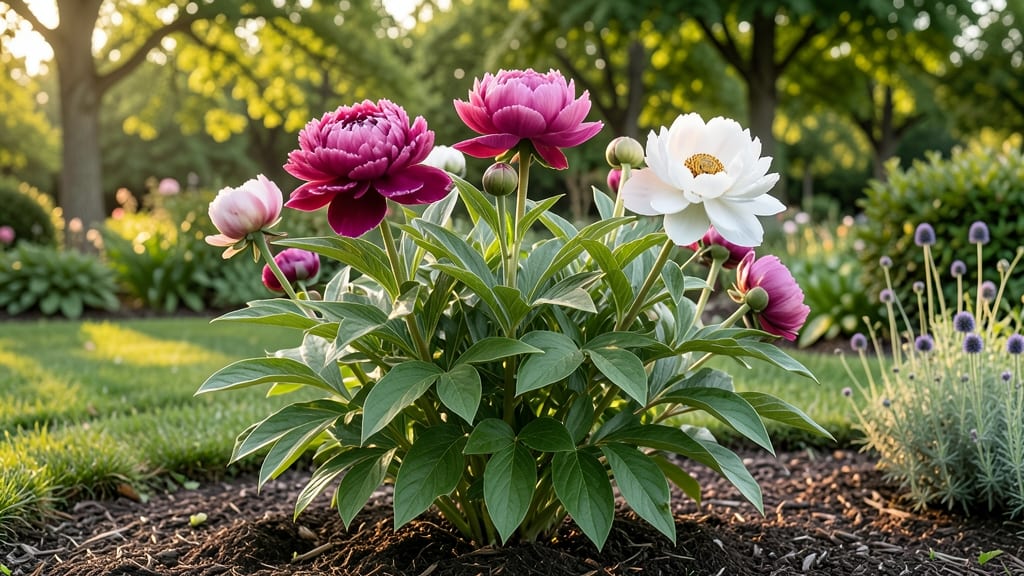
If you’ve ever wondered how tall peonies grow and whether they’ll become a towering centerpiece or stay neatly contained, the answer depends more on the type than you might think.
These 🌸 beauties come in two distinct varieties—herbaceous and tree—each with its own growth habits that can transform your garden layout.
Herbaceous peonies, the classic choice for many gardens, typically reach heights of 2 to 3 feet, though some dwarf varieties stay as short as 18 inches.
But here’s the twist: tree peonies can shoot up to 4 to 5 feet, making them a statement piece in any landscape. Understanding these differences is key to placing them where they’ll thrive—and where they won’t overshadow your other plants.
What you’ll discover in this guide is how factors like sunlight, soil, and even pruning can tweak their height.
Whether you’re a beginner planning your first peony bed or a seasoned gardener refining your layout, knowing these secrets will help you create a garden where every 🌸 has the perfect stage.
Let’s break down the height secrets so you can choose the right peonies for your space—and watch them flourish exactly where you want them.


Herbaceous peony height guide: growth patterns and mature sizes
When planning your garden, herbaceous peonies are the most popular choice for their lush blooms and classic charm—but their height can surprise first-time growers.
Most varieties mature between 18 to 36 inches, though some compact types stay as short as 12 inches, while towering varieties like 'Sarah Bernhardt' can reach 4 feet.
Unlike tree peonies, herbaceous types die back to the ground each winter, making them easier to manage in smaller spaces.
The key to predicting height lies in understanding their growth habit. Herbaceous peonies grow from crowns (thick, fleshy roots) and produce woody stems that support their blooms. Their height is influenced by genetics, sunlight, and soil fertility.
For example, 'Bowl of Beauty' stays around 24 inches, while 'Kansas' can stretch to 36 inches with ideal care.
Mature size is typically reached by the third growing season, though some varieties grow more slowly. In my garden, a 2-year-old 'Duchesse de Nemours' reached 30 inches by mid-summer, while a 5-year-old plant of the same variety now stands at 36 inches. Patience is key—rushing to prune or fertilize can stunt growth or reduce blooms.
One common misconception is that all dwarf peonies stay under 18 inches. While varieties like 'Little Red' or 'Coral Charm' rarely exceed 20 inches, even these can grow taller in rich soil with full sun.
Conversely, tall varieties like 'Felicity' or 'Cecile Brunner' often surpass 3 feet and may need staking to prevent flopping.
Soil quality plays a huge role in height. Peonies thrive in well-draining, slightly alkaline soil (pH 6.5–7.5). Amending heavy clay with compost or sand can reduce stunted growth.
In my Zone 6 garden, peonies planted in native soil reached 28 inches, while those in amended beds hit 34 inches by mid-summer. Over-fertilizing with nitrogen can lead to leafy growth at the expense of blooms, so balance is key.
Sunlight also impacts height. While peonies tolerate partial shade, they’ll grow 10–15% shorter in dappled light. In full sun, expect maximum height potential. For example, my 'Baroness Schroeder' peony hit 32 inches in a south-facing bed but only 26 inches near a north-facing wall.
If your garden lacks full sun, choose dwarf varieties like 'Lavender Lark' or 'Miss America' for reliable blooms.
Pruning habits can subtly influence height over time. Deadheading spent blooms encourages more flowers but doesn’t affect stem length. However, cutting back foliage in fall (after browning) helps redirect energy to next year’s growth.
Avoid heavy pruning in early spring—this can delay blooming and reduce stem strength. I’ve found that letting foliage die naturally produces the tallest, sturdiest stems the following season.
If you’re designing a low-maintenance border, pair dwarf peonies (12–18") with ground covers like ajuga or heuchera. For a dramatic backdrop, plant standard or giant varieties (30–48") behind shrubs like hydrangeas or ornamental grasses.
In my front yard**, a 3-foot-tall 'Sarah Bernhardt' peony anchors the bed, while 18-inch 'Little Red' peonies frame the walkway—proving height diversity adds depth to any design.
Remember, peony height is not set in stone. With proper care, even a dwarf variety can surprise you with extra inches of growth. Start with the right variety for your space, amend your soil, and give them full sun.
Your peonies will reward you with stunning blooms—and the perfect height for your garden vision.
Tree peony heights explained: why they grow 3-5 feet taller than herbaceous types
Tree peonies are the towering giants of the peony world, often reaching heights of 3 to 5 feet at maturity—sometimes even exceeding 6 feet in ideal conditions.
Unlike their herbaceous cousins, which die back to the ground each winter, tree peonies boast woody stems that persist year-round, giving them both structure and longevity in your garden.
This dramatic height difference isn’t just about aesthetics; it also impacts how you design around them, whether you need support structures, or how they interact with other plants.
One reason tree peonies grow so much taller is their genetic makeup. They’re essentially shrubs, with stems that continue to grow and thicken over decades. Some varieties, like 'Sarah Bernhardt' or 'Lavender Lady', are famous for their towering blooms that can dwarf even the tallest gardeners.
Their height also makes them perfect for creating vertical interest in borders or as focal points in mixed perennial beds.
Another key factor is their cold-hardiness. Tree peonies thrive in USDA Zones 3-8, where they can withstand harsh winters without the seasonal die-back of herbaceous types. This resilience allows them to allocate more energy to vertical growth rather than rebuilding from the ground up each spring.
Plus, their deep root systems anchor them firmly, supporting their impressive stature without needing staking in most cases.
Here’s how tree peony height compares to herbaceous varieties in key areas:
| Feature | Tree Peonies | Herbaceous Peonies |
|---|---|---|
| Mature Height | 3–5 ft (up to 6 ft) | 1.5–3.5 ft |
| Growth Habit | Woody, multi-stemmed shrub | Herbaceous, dies back annually |
| Sunlight Needs | Full sun (6+ hours) | Full sun to partial shade |
| Lifespan | Decades (perennial) | 10–15 years (perennial) |
| Best For | Focal points, tall borders | Front-of-border planting |
To maximize tree peony height, prioritize full sun exposure and well-draining soil. Amend heavy clay with compost to prevent root rot, which can stunt growth. Mulch around the base in winter to protect the woody stems from temperature fluctuations.
Over time, you’ll notice their stems thicken and branches spread, creating a stunning, long-lived centerpiece for your garden.
If you’re designing around tree peonies, pair them with shorter perennials like columbines or foxgloves to create layered interest. Their height also makes them ideal for cut flower arrangements, where their long stems hold up beautifully in bouquets.
Just remember: patience is key—tree peonies often take 3–5 years to reach their full height and bloom potential.
🌳