
How To
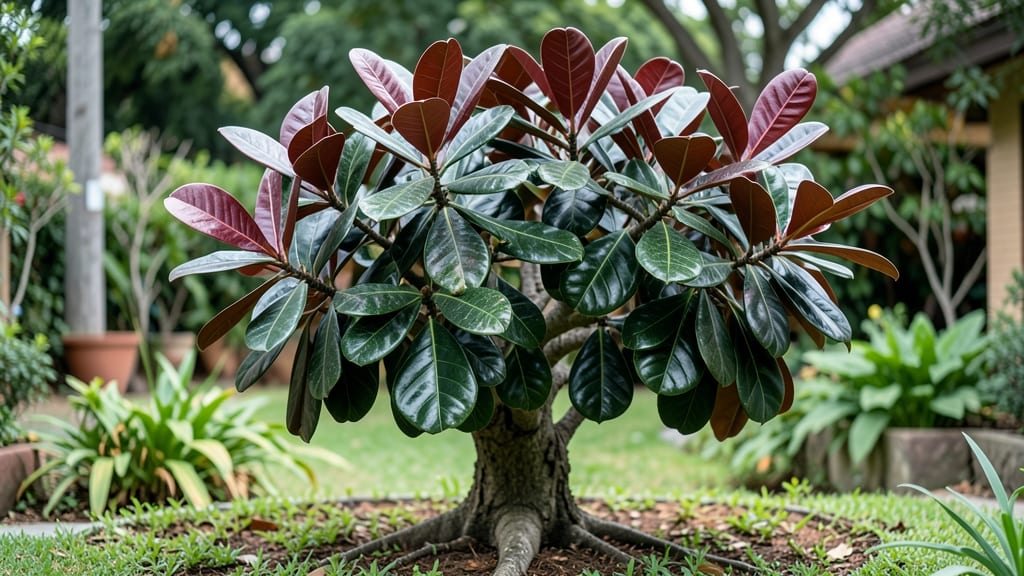
If you’ve ever wondered how tall rubber plants grow, you’re not alone—these striking 🌿 Ficus elastica can shoot up like a tropical tree if you don’t guide their growth. But with the right care, you can keep them at a manageable height while still enjoying their lush, glossy leaves.
Rubber plants thrive indoors and outdoors, but their height depends on light, pot size, and pruning habits. Left unchecked, they can reach 6 to 10 feet tall—taller than most ceilings! The key to controlling their growth lies in understanding their natural tendencies and learning simple pruning tricks.
Whether you’re growing the classic 'Black Prince' or the vibrant 'Decora' variety, this guide will help you manage their height without sacrificing their beauty. You’ll discover how to encourage bushier growth, avoid leggy stems, and keep your rubber plant at your ideal size.
Ready to take control? Let’s explore how to shape your rubber plant’s growth so it stays just as stunning as it is manageable—no jungle takeover required!


Natural height range of rubber plants: what to expect indoors vs. outdoors
Rubber plants (Ficus elastica) are notorious for their rapid vertical growth, but their final height depends entirely on where you grow them. Indoors, these plants typically reach 6 to 10 feet tall when left unpruned, while outdoor specimens can stretch even taller—sometimes exceeding 10 feet in ideal conditions. The key difference lies in light exposure, pot size, and pruning habits, all of which directly impact their growth trajectory.
In their native tropical habitats, rubber plants grow as understory shrubs, meaning they naturally stretch upward to reach sunlight. When you bring them indoors, their growth pattern shifts to compensate for lower light levels, often resulting in longer, leggier stems if not given enough brightness.
Understanding these growth habits helps you set realistic expectations and plan for proper care.
Outdoor rubber plants thrive in USDA Zones 10-12, where they can grow as small trees with thick, leathery leaves. Even in containers, they’ll reach 8 to 12 feet tall if given enough space and sunlight.
Indoors, however, their growth slows slightly due to limited light, but they’ll still grow 1 to 2 feet per year if conditions are right.
| Growth Condition | Height Range | Growth Rate | Key Factors |
|---|---|---|---|
| Indoor Potted | 6–10 ft | 1–2 ft/year | Light, pot size, pruning |
| Outdoor Container | 8–12 ft | 2–3 ft/year | Sunlight, soil, space |
| Outdoor Ground-Planted | 10–15 ft | 3+ ft/year | Climate, water, nutrients |
| Pruned Regularly | 3–6 ft | Controlled growth | Light, trimming schedule |
One of the most common questions I hear is: "How tall will my rubber plant get if I don’t prune it?" The answer depends on your light conditions.
In a bright, east-facing window, your plant may only reach 6 feet in 3 years, while a leggy specimen in a dim corner could stretch to 8 feet in the same time. The key is to monitor growth and adjust light exposure or pruning as needed.
If you’re growing a variegated rubber plant, like 'Tineke' or 'White Princess,' expect slightly slower growth due to their lower light tolerance. These varieties often max out at 5 to 7 feet indoors unless given extra care.
Meanwhile, classic dark green varieties like 'Black Prince' or 'Decora' grow faster and taller, making them better for outdoor spaces or large indoor setups.
To check your rubber plant’s growth stage, look for these visual cues: new leaves appearing at the top indicate active growth, while bare stems signal it’s time for pruning.
If your plant has more than 12 inches of bare stem, it’s likely overdue for a trim to encourage bushier growth and prevent it from becoming a vertical pole.
Outdoor rubber plants in warm climates can grow surprisingly fast, especially in well-draining soil with regular watering. In my own garden, a 5-year-old rubber plant in a large container reached 9 feet tall with minimal pruning, thanks to full sun exposure and monthly fertilization.
The secret? A mix of balanced fertilizer (10-10-10) applied in spring and summer kept it thriving.
For indoor growers, the pot size plays a huge role in height control. A smaller pot (10–12 inches) will slow growth, while a large container (16+ inches) encourages rapid vertical expansion.
If you want a compact rubber plant, opt for a smaller pot and prune regularly. For a tall, dramatic specimen, give it space and light.
Remember, rubber plants are highly adaptable, so their height isn’t set in stone. With the right care—bright light, proper pruning, and occasional fertilizing—you can shape your plant to fit your space perfectly, whether you prefer a bushy tabletop plant or a floor-filling statement piece. 🌿
Space-saving pruning techniques: how to control height without sacrificing growth
Pruning your rubber plant (Ficus elastica) isn’t just about keeping it from touching the ceiling—it’s about shaping it into a fuller, healthier plant. With the right techniques, you can maintain your desired height while encouraging bushier growth that fills out your space beautifully.
The key is timing, tools, and proper post-pruning care.
Start by identifying the ideal pruning time, which is typically in spring or early summer when your plant is actively growing. This timing ensures your rubber plant has enough energy to recover and produce new growth.
Avoid pruning in fall or winter, as the plant’s growth slows down, making recovery much harder.
Before you begin, gather your tools: a pair of clean, sharp pruners or scissors, rubbing alcohol (to sterilize), and a small pot with well-draining soil for your cuttings. Sterilizing your tools is crucial to prevent spreading diseases between cuts.
Step-by-Step Pruning Guide for Rubber Plants
- Step 1: Locate the Pruning Spot – Choose a leaf node (the bump where leaves grow) just below where you want the new growth to start. Make your cut ½ inch above the node at a 45-degree angle to encourage faster healing.
- Step 2: Make the Cut – Use your sterilized pruners to make a clean cut. Avoid tearing the stem, as this can damage the plant and invite pests. For thicker stems, you may need to make multiple cuts to avoid crushing.
- Step 3: Propagate the Cuttings – Place your cuttings in a jar of water or directly into moist soil. Keep them in bright, indirect light and maintain humidity by covering with a plastic bag until roots form (usually in 2-4 weeks).
- Step 4: Encourage Bushier Growth – After pruning, rotate your rubber plant ¼ turn weekly to ensure even light exposure. This helps prevent leggy growth and promotes a fuller shape.
- Step 5: Post-Pruning Care – Reduce watering slightly for the first 2 weeks to help the plant recover. Avoid fertilizing immediately, as new growth is already nutrient-rich from the plant’s stored energy.
One common mistake is pruning too much at once, which can stress your rubber plant. Aim to remove no more than ⅓ of the plant’s foliage in a single session. If you’re dealing with a very tall plant, consider gradual pruning over a few weeks to minimize shock.
For varieties like 'Black Prince' or 'Decora,' pruning can also help maintain their striking foliage colors and patterns. Regular pruning encourages new growth at the base, which often results in brighter, more vibrant leaves. Plus, you’ll have extra cuttings to share with friends or propagate for your own collection!
Remember, pruning isn’t just about height control—it’s about rejuvenating your plant. With practice, you’ll find the perfect balance between maintaining your desired height and keeping your rubber plant lush and full of life. Happy pruning! 🌿✂️