
How To
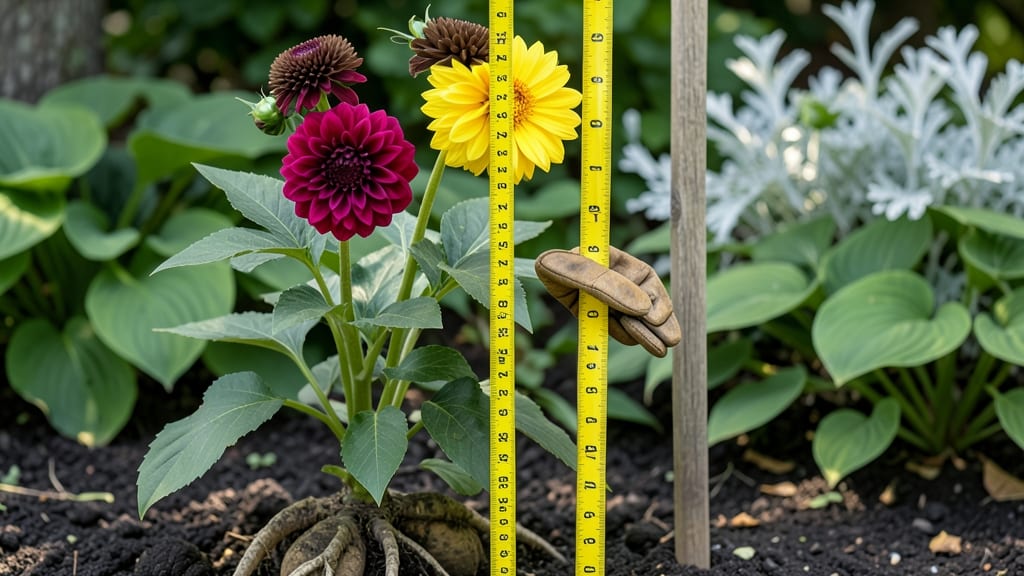
If you've ever wondered how tall to dahlias grow and whether your garden can handle their dramatic heights, the answer might surprise you—these stunning blooms range from barely knee-high to towering over your head like a floral skyscraper! 🌼
Choosing the right dahlia variety for your space isn't just about aesthetics—it's about avoiding flops, crowded beds, and the headache of last-minute staking. Whether you're working with a cozy patio or a sprawling backyard, knowing a plant's mature height helps you plan for support, spacing, and even companion plants.
From dwarf varieties that stay neatly under 2 feet to giant bloomers reaching 7 feet, we'll break down the height spectrum so you can pick the perfect fit for your garden vision. Plus, I'll share pro tips to keep even the tallest dahlias standing strong all season long.
Ready to transform your garden into a dahlia showstopper? Let's dive into the varieties, growth quirks, and care secrets that'll have your dahlias thriving—no matter how tall they dream of growing.


Dahlia height by variety: dwarf to giant bloomers explained
Dahlias are one of the most diverse flower varieties when it comes to height, ranging from compact dwarf types to towering giants.
The mature height of your dahlias depends entirely on the cultivar you choose, with some varieties staying under 2 feet while others can reach 7 feet or more. Understanding these differences helps you plan your garden layout and provides the right support for each type.
For example, dwarf dahlias like 'Mignon' or 'Little Princess' stay between 12-24 inches tall, making them perfect for container gardens or front-of-border plantings.
On the other end of the spectrum, giant varieties such as 'Karma Choc' or 'Galaxy' can grow 5-7 feet tall, requiring strong staking or cage support to prevent flopping. Let’s explore the full range of dahlia heights and what each category means for your garden.
| Variety Type | Height Range | Growth Habit | Best For |
|---|---|---|---|
| Dwarf | 12–24 inches | Compact, bushy | Containers, borders, small gardens |
| Semi-Dwarf | 2–3 feet | Upright, moderate spread | Mixed borders, cottage gardens |
| Standard | 3–5 feet | Tall, sturdy stems | Back of borders, cut flower gardens |
| Tall | 5–6 feet | Very tall, needs support | Focal points, large gardens |
| Giant | 6–7 feet | Massive blooms, heavy stems | Specialty displays, large containers |
🌼 Pro Tip: Always check seed packets or plant tags for exact height expectations—some varieties can vary by 6+ inches!
If you’re working with limited garden space, opt for dwarf or semi-dwarf varieties like 'Café au Lait' or 'Thomas Edison'. These stay under 3 feet and thrive in containers or window boxes.
For a dramatic backdrop effect, tall or giant dahlias like 'Bishop' or 'Arabian Night' create stunning vertical interest, especially when paired with tall grasses or sunflowers.
Another key factor is stem strength. Giant dahlias often require multiple stakes or cages because their heavy blooms can cause stems to bend or snap without support. Meanwhile, dwarf varieties rarely need staking at all, making them ideal for low-maintenance gardens.
Always plant taller dahlias at the back of borders to avoid shading shorter plants.
For first-year growth, dahlias typically reach about half their mature height. For example, a 5-foot giant might only grow to 2-3 feet in its first season. This is why many gardeners prune aggressively in the first year to encourage bushier growth and stronger stems for the following seasons.
If you’re unsure about pruning, stick with dwarf or semi-dwarf varieties—they’re far more forgiving for beginners.
Color also plays a subtle role in height perception. Dark-colored dahlias like deep purples or blacks often have taller, more slender stems, while bright, pastel varieties tend to be slightly shorter and bushier.
This isn’t a hard rule, but it’s worth noting when selecting varieties for color-themed gardens. For instance, 'Karma Choc' (a dark chocolate dahlia) can grow 6 feet tall, while 'Lime Rickey' (a bright lime green) typically stays around 4 feet.
One common mistake is assuming all dahlias need the same amount of space. Giant varieties should be planted 18-24 inches apart to allow for their wide canopies, while dwarf types can be spaced just 12 inches apart.
Overcrowding leads to poor air circulation, increasing the risk of fungal diseases like powdery mildew. Always follow the
Dahlia height by variety: dwarf to giant bloomers explained
Dahlias aren't one-size-fits-all—some stay neat and 1-foot-tall while others shoot up to 7 feet like floral skyscrapers. The variety you choose determines not just your garden's height profile but also your staking needs and bloom display.
For example, 'Mignon' series dahlias max out at 2 feet, perfect for containers, while 'Galaxy' hybrids can reach 6 feet and need serious support.
Most dahlias fall into four height categories: dwarf (1-2 ft), semi-dwarf (2-4 ft), standard (4-6 ft), and giant (6-7 ft). Your garden's layout—whether it's a small patio or a sprawling border—will dictate which category works best.
Even container gardening has options, with miniature varieties thriving in pots just 12 inches wide.
Here’s how to match dahlia heights to your space, plus the growth habits that surprise even seasoned gardeners:
Pro tip: Dwarf varieties like 'Café au Lait' (18 inches) are ideal for window boxes, while giant varieties like 'Black Narcissus' (7 feet) need 3-foot spacing between plants to avoid crowding.
Even within categories, growth can vary by climate and soil quality, so always check seed packets for mature height estimates.
If you're unsure which size to pick, start with semi-dwarf varieties—they’re versatile for cutting gardens and bedding displays while staying manageable. For container growing, look for tags labeled "miniature" or "pocket-sized"—these stay under 2 feet even with heavy blooms.
Remember, first-year growth is often 50% of mature height, so don’t be surprised if your 6-foot giant starts as a 3-foot sapling. Patience pays off—by mid-summer, those towering stems will be showing off their blooms like never before! 🌼