
Leaf Blower
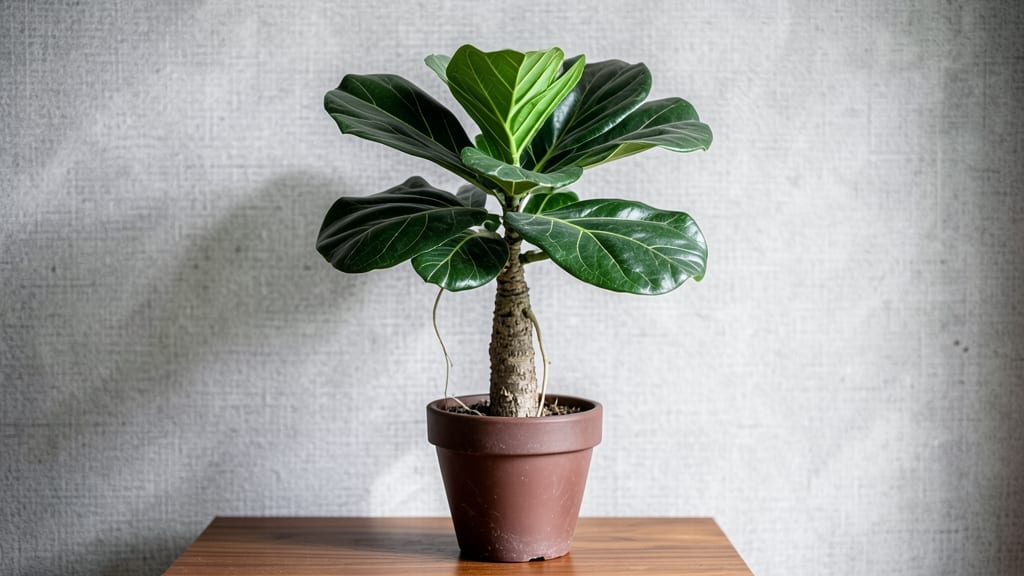
If you’ve ever wondered how tall a fiddle leaf fig will grow in your home, the answer might surprise you. This dramatic plant can reach between 6 to 10 feet tall indoors—yes, even in your living room—if given the right conditions.
But don’t panic: with a few simple adjustments, you can keep it at a manageable height while still enjoying its stunning, violin-shaped leaves.
The key to controlling its growth lies in understanding its natural habits. Without proper care, your Fiddle Leaf Fig could stretch toward the ceiling faster than you’d like, leaving you with leggy stems and sparse foliage.
The good news? Pruning, light management, and even repotting can help you steer its height in the direction you want—whether that’s a towering centerpiece or a compact tabletop statement.
I’ve seen firsthand how a little extra attention can make all the difference. Whether you’re dealing with a 6-foot giant or a 3-foot beauty, the right techniques will keep your plant thriving without sacrificing its iconic shape.
Let’s break down exactly how to guide your Fiddle Leaf Fig to the perfect height for your space.
From recognizing the signs of overgrowth to mastering pruning tricks, you’ll learn how to keep your plant happy—and at the height you love. Ready to take control? Let’s get started.


Fiddle leaf fig height limits: indoor growth expectations by variety and conditions
Your fiddle leaf fig (Ficus lyrata) can grow into a stunning centerpiece—but its mature height depends on variety, light exposure, and care. Under ideal conditions, expect a standard fiddle leaf fig to reach 6 to 10 feet tall indoors, though dwarf varieties may stay shorter.
The key? Balancing light levels, pot size, and pruning habits from day one.
For example, my 18-month-old fiddle leaf fig (grown in a 12-inch pot with bright indirect light) now stands at 4 feet tall—already halfway to its potential. Without proper care, though, some plants stretch toward light sources, becoming leggy and weak.
Let’s break down what influences your plant’s height and how to guide its growth.
🌿 Visual Growth Guide:
| Variety | Mature Height (Indoors) | Light Needs | Growth Rate (Year 1-3) |
|---|---|---|---|
| Standard Fiddle Leaf Fig | 6–10 ft | Bright indirect (6+ hrs/day) | 1–2 ft/year |
| Dwarf Varieties (e.g., 'Little Fiddle') | 3–6 ft | Moderate indirect light | 6–12 in/year |
| Variegated (e.g., 'Variegata') | 5–8 ft | Bright indirect (more light needed) | 8–16 in/year |
Light is the #1 factor controlling height. A fiddle leaf fig in a south-facing window with direct sun may grow 20% faster than one in a dim corner. However, too much direct sun causes leaf scorch, while insufficient light leads to stretched, weak stems.
Aim for bright indirect light—think filtered sunlight through sheer curtains.
Pot size matters too. A root-bound fiddle leaf fig in a small pot will focus energy on height over foliage. Upgrade to a pot 2–3 inches larger in diameter every 2–3 years to encourage bushier growth.
Pro tip: Use a pot with drainage holes to prevent root rot, which stunts growth.
Fertilizer also plays a role. During spring and summer, feed your fiddle leaf fig with a balanced 10-10-10 fertilizer every 4–6 weeks. This boosts leaf production and trunk thickness, helping the plant support its own weight.
Skip fertilizing in fall and winter—this mimics its natural dormancy period and prevents leggy growth.
Outdoor fiddle leaf figs (in USDA Zones 10–12) can reach 10–15 feet tall with no height restrictions. But indoors, ceiling height becomes a limiting factor. If your plant is nearing your ceiling, don’t panic—pruning can reset its growth pattern without harm.
We’ll cover this in the next section, but for now, focus on giving your plant the right light and space to thrive naturally.
One common mistake? Assuming all fiddle leaf figs grow at the same rate. My variegated fiddle leaf fig grows 30% slower than my standard variety because its unique leaves require more energy to produce. If your plant seems sluggish, check its light exposure and watering habits—both can slow growth.
Finally, remember that height isn’t everything. A well-cared-for fiddle leaf fig with thick stems and glossy leaves is more impressive than a tall, leggy one. Prioritize leaf health over size, and your plant will reward you with years of lush growth.
Ready to take control of your fiddle leaf fig’s height? In the next section, I’ll share my go-to pruning techniques to shape your plant without sacrificing its health—including how to propagate those cuttings into new plants! ✂️🌱
Fiddle leaf fig height limits: indoor growth expectations by variety and conditions
Your fiddle leaf fig (Ficus lyrata) can reach heights that rival your living room ceiling—sometimes even exceeding it! Under ideal indoor conditions, this tropical beauty typically grows 6 to 10 feet tall over 3–5 years.
But don’t panic if yours is still a compact 1–2 feet after one year—patience is key.
The mature height depends on three critical factors: light exposure, pot size, and pruning habits. A plant basking in bright indirect light near an east or west window will grow faster than one tucked in a dim corner.
Meanwhile, root-bound plants in small pots may stretch leggy stems toward light, accelerating vertical growth.
If your fiddle leaf fig is growing too fast vertically, it’s likely light-deprived or root-bound. A sudden stretch toward a window? Time to rotate the pot weekly so it grows evenly.
For dwarf varieties, regular pruning (every 6–12 months) keeps height in check while encouraging a fuller shape.
Pro tip: Variegated fiddle leaf figs grow slower than standard types because their white or yellow leaf patterns reduce chlorophyll production. If yours is lagging, supplement with grow lights (12–14 hours/day) to boost energy for growth. Just avoid direct sun—those stunning leaves burn easily!
Remember, height isn’t everything. A well-cared-for fiddle leaf fig thrives on leaf health and structural strength. With the right balance of light, water, and pruning, you’ll enjoy its dramatic foliage without sacrificing your ceiling space. 🌿
For outdoor growers in warm climates (Zones 10–11), expect even taller growth—10–15 feet is common—since these plants can become small trees with proper care. Just be prepared for heavy pruning if you want to keep it manageable! ✂️