
How To
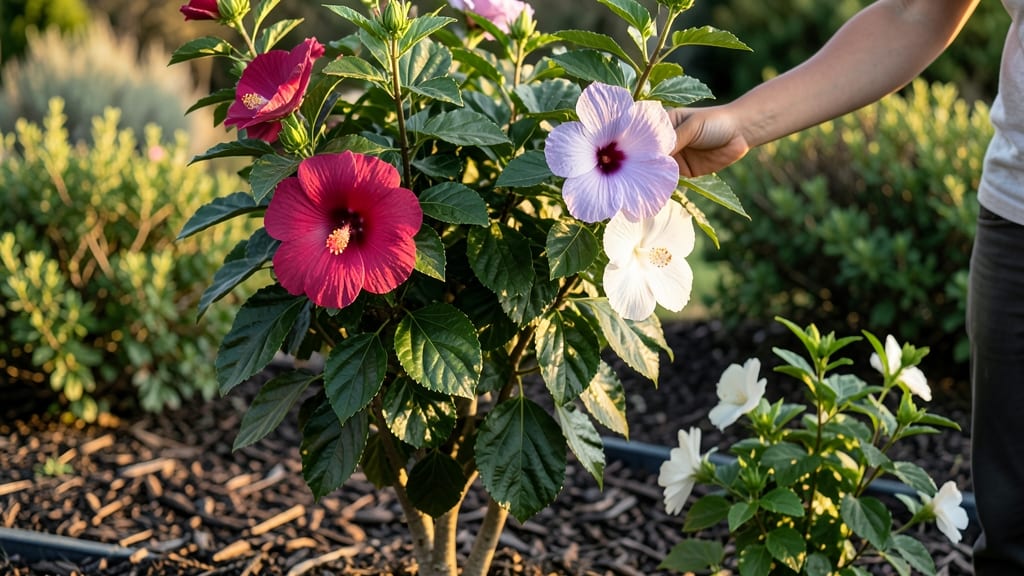
If you're dreaming of a hibiscus plant that adds drama to your garden but aren't sure how tall will hibiscus grow, the answer might surprise you. Some varieties stay as compact as 3 feet, perfect for containers, while others can soar to 15 feet—taller than most people!
The key lies in choosing the right type for your space and learning simple pruning tricks to control its size.
Picture this: a 🌸 hibiscus blooming like a tropical paradise in your backyard or on your patio. But before you pick a plant, you need to know which varieties fit your vision. Tropical hibiscus can become small trees, while hardy hibiscus stay bushy and manageable.
I'll break down the exact heights of 12 popular varieties so you can pick the perfect fit for your garden or balcony.
Location matters too—whether you're in USDA Zone 6a or a warmer climate, your hibiscus's growth will depend on sunlight, soil, and even pruning habits. Did you know that regular pruning can keep a 10-foot plant under 5 feet?
I'll share the secrets to shaping your hibiscus just the way you want, from bushy shrubs to tree-like forms.
Ready to transform your outdoor space with vibrant blooms? Let's dive into the world of hibiscus heights, varieties, and pruning tips so you can grow the perfect plant for your home.
Whether you're a beginner or a seasoned gardener, these insights will help you create the stunning display you've always wanted.


Hibiscus height guide: 12 varieties & their mature growth ranges
If you're dreaming of a hibiscus garden, knowing the mature height of each variety is key to planning your space. Hibiscus plants range from compact patio dwarfs to towering tropical trees, and choosing the right type ensures your garden thrives.
Whether you have a cozy balcony or a sprawling backyard, there's a hibiscus size that fits your vision.
Most hibiscus varieties fall into three height categories: dwarf (3-5 ft), semi-dwarf (5-8 ft), and standard (8-15 ft). The variety you pick will determine not just height but also bloom size, hardiness, and maintenance needs.
For example, tropical hibiscus can reach 15+ feet in ideal conditions, while hardy hibiscus stay shorter and more manageable.
Below, I’ve broken down 12 popular hibiscus varieties by their mature height, growth habits, and ideal growing conditions. This guide will help you pick the perfect hibiscus for your garden—whether you want a container-friendly dwarf or a statement-making tree hibiscus.
🌱
| Variety | Mature Height | Growth Habit | Hardiness Zone | Sunlight Needs |
|---|---|---|---|---|
| Dwarf Hibiscus (e.g., 'Lil' Kim') | 2-3 ft | Compact bush | 9-11 | Full sun |
| Hawaiian Hibiscus (Hibiscus brackenridgei) | 3-5 ft | Upright shrub | 10-11 | Full sun |
| Rose of Sharon (Hibiscus syriacus) | 5-8 ft | Multi-stemmed shrub | 4-9 | Full sun to part shade |
| Tropical Hibiscus (Hibiscus rosa-sinensis) | 6-15 ft | Tree-like or bushy | 10-11 | Full sun |
| Swamp Hibiscus (Hibiscus moscheutos) | 4-6 ft | Clumping shrub | 5-9 | Full sun to part shade |
| Peruvian Hibiscus (Hibiscus peruvianus) | 3-5 ft | Trailing or bushy | 10-11 | Full sun |
| Hardy Hibiscus (Hibiscus coccineus) | 5-8 ft | Upright, multi-branched | 5-9 |
How to control hibiscus height through pruning: step-by-step techniquesPruning is the secret weapon for managing hibiscus height—whether you want a compact patio plant or a tall garden statement. With the right techniques, you can transform a 10-foot monster into a 3-foot bush or shape it into a tree-like form. The key is timing, tools, and knowing which cuts to make. I’ll walk you through the exact steps to control your hibiscus’s growth without harming it. Most hibiscus varieties grow aggressively if left unchecked, but regular pruning encourages bushier growth and more blooms. For example, tropical hibiscus can reach 15 feet in ideal conditions, but with strategic pruning, you can keep it at 5 feet—perfect for small yards or containers. The best time to prune is late winter or early spring, just before new growth begins. This gives your plant time to recover and flourish during the growing season. Before you grab your shears, gather these essentials: sharp pruning shears, sterilized tools, and gloves to protect your hands from thorns. Always disinfect your tools with rubbing alcohol to prevent the spread of disease. Start by removing dead or diseased branches first—they sap energy from your plant. Then, focus on shaping the hibiscus to your desired height and form. Here’s a step-by-step guide to pruning hibiscus for height control, whether you want a bushy shrub, a tree-like form, or a compact container plant. Follow these steps, and you’ll have a hibiscus that fits your space perfectly while still bursting with blooms. Step-by-Step Pruning Guide for Hibiscus Height Control
One common mistake is pruning too late in the season, which can stunt new growth before winter. Another is cutting too close to the stem, which can leave unsightly stubs or damage the plant. Always make cuts at a 45-degree angle, about 1/4 inch above a leaf node. This encourages healthy regrowth and prevents water from pooling on the cut. For tropical hibiscus, which are non-hardy, you can prune lightly throughout the year to maintain size, but avoid heavy cuts in winter. If you’re growing hibiscus in containers, pruning is even more critical—it prevents the plant from becoming top-heavy and ensures it stays within your pot’s size limits. With consistent pruning, you can enjoy a hibiscus that’s the perfect height for your space, whether it’s a patio centerpiece or a garden focal point. Pro tip: If your hibiscus is overgrown, don’t panic—you can still shape it. Just prune in stages over a few weeks to avoid shocking the plant. And remember, the more you prune, the bushier and fuller your hibiscus will grow. Happy pruning! ✂️🌿 |