
How To
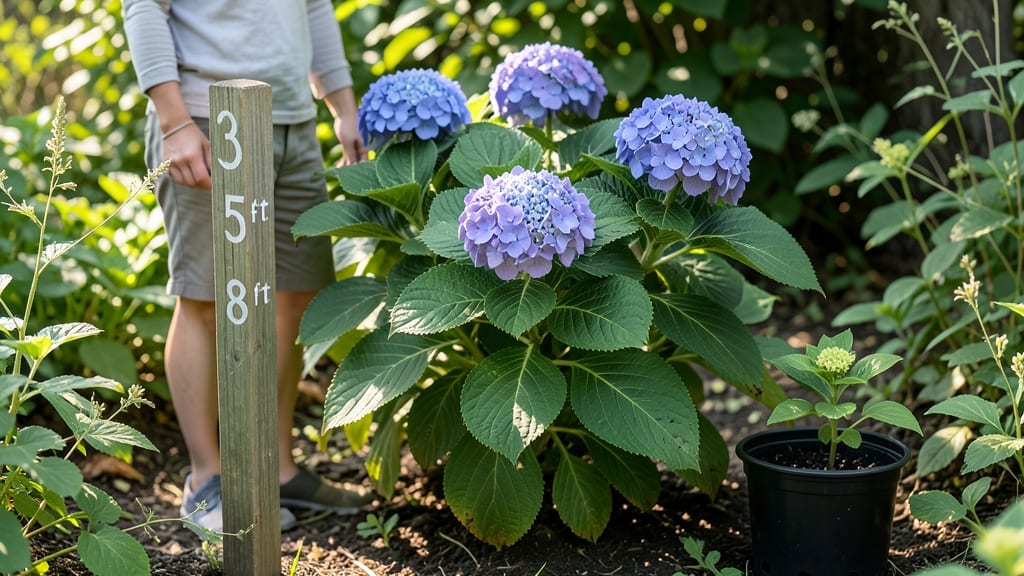
If you’re dreaming of lush, blooming hydrangeas 🌸 that transform your garden into a vibrant oasis, you’ve probably wondered: how tall will hydrangeas grow? The answer isn’t one-size-fits-all—some varieties stay compact enough for containers, while others stretch toward the sky like living trellises.
I’ve seen firsthand how the wrong spacing can turn a stunning shrub into a tangled mess, and the right variety can add drama to even the smallest yard.
Whether you’re working with 3-foot dwarfs or towering 8-foot giants, understanding their mature height is the key to planning your garden layout like a pro.
In this guide, I’ll break down the exact height ranges for popular types—from the delicate mopheads to the bold panicle varieties—and share the spacing rules that keep them thriving. You’ll also learn how sunlight, soil, and your climate zone can tweak their growth patterns.
Ready to stop guessing and start designing with confidence? Let’s dive into the heights, habits, and care tips that’ll have your hydrangeas reaching their full potential—without overcrowding your space.


Hydrangea height guide by variety: from dwarf to giant
Hydrangeas are one of the most versatile shrubs in gardens, offering heights ranging from compact 2-foot dwarf varieties to towering 20-foot climbers. Understanding these differences helps you choose the perfect variety for your space—whether you’re designing a container garden or creating a dramatic privacy hedge.
The key lies in the species: Hydrangea macrophylla (mopheads) typically stay between 3–6 feet, while Hydrangea paniculata varieties like 'Limelight' can reach 8–12 feet.
For small-space gardeners, dwarf hydrangeas like 'Mini Penny' (1–2 feet) are ideal for pots or window boxes. Meanwhile, oakleaf hydrangeas (H. quercifolia) grow 6–10 feet tall with a tree-like form, perfect for woodland gardens.
Even within a single species, growth habits vary—some mopheads stay bushy and rounded, while others grow taller with vertical stems.
Here’s how to plan based on your garden’s layout and your vision for these showstopping blooms:
| Variety | Height Range | Growth Habit | Best For |
|---|---|---|---|
| Mini Penny (mophead) | 1–2 ft | Compact, rounded | Containers, window boxes |
| Endless Summer (mophead) | 3–5 ft | Bushy, multi-stemmed | Foundation plantings |
| Limelight (panicle) | 8–12 ft | Tall, upright | Privacy screens, focal points |
| Oakleaf (H. quercifolia) | 6–10 ft | Tree-like, spreading | Woodland gardens, specimen plant |
| Annabelle (panicle) | 4–5 ft | Dense, rounded | Cut flowers, cottage gardens |
| Climbing Hydrangea (H. petiolaris) | 20–30 ft | Vining, self-clinging | Arbors, trellises, fences |
If you’re growing hydrangeas for cut flowers, taller varieties like 'Limelight' or 'Grandiflora' provide longer stems (up to 3 feet), while mopheads offer bold, round blooms perfect for bouquets.
For container gardening, prioritize dwarf varieties like 'Little Lime' (panicle) or 'Micro Dolls' (mophead), which thrive in 10–15 gallon pots.
One common mistake is assuming all hydrangeas grow the same way. For example, oakleaf hydrangeas develop exfoliating bark and vibrant fall foliage, adding winter interest to your garden. Meanwhile, panicle hydrangeas like 'Firelight' produce cone-shaped blooms that last into frost, making them ideal for late-season color.
To encourage maximum height, focus on pruning techniques and soil conditions. Most hydrangeas grow 1–2 feet per year when given rich, acidic soil (pH 5.5–6.2) and consistent moisture. In USDA zones 5–9, they’ll establish quickly, while colder climates may see slower initial growth.
For urban gardens with limited space, consider espalier training on a trellis to control height while maximizing vertical growth. This works especially well with panicle hydrangeas, which naturally grow upward. Always check the mature height on the nursery tag—it’s the most reliable predictor of your hydrangea’s future size.
Pro tip: If you’re planting near a fence or wall, choose a variety with a spreading habit, like 'Invincibelle Spirit' (4–5 feet), to create a living screen without overpowering your space.
And remember—climbing hydrangeas need a sturdy support structure from day one, as their aerial roots attach to surfaces aggressively.
🌿
Proper spacing rules to prevent overcrowding & maximize blooms
Spacing your hydrangeas correctly isn’t just about aesthetics—it’s about giving them room to thrive. Crowded plants compete for nutrients, leading to smaller blooms and even disease. The key is matching the variety’s mature width to its height, since roots spread nearly as wide as the plant grows tall.
For example, a 3-foot-tall Hydrangea microphylla needs at least 2 feet of clearance from other plants, while a towering 10-foot climbing hydrangea demands a 12-foot radius. This prevents root competition and ensures those show-stopping blooms reach their full potential.
Height: 3–6 ft
Spacing: 4–6 ft apart
Height: 6–12 ft
Spacing: 6–10 ft apart
Height: 4–8 ft
Spacing: 5–8 ft apart
Height: 10–30 ft
Spacing: 10–12 ft from structures
If you’re planting hydrangeas near a fence or wall, leave at least 3 feet of space behind them to prevent root damage and improve air circulation. This is especially critical for panicle types, which can grow up to 12 feet tall and need support.
Pruning also plays a role in managing height. For mophead hydrangeas, I recommend cutting back 1/3 of the oldest stems each year to encourage new growth and prevent legginess. For panicle types, a harder prune in late winter keeps them compact and blooming at the right height.
Remember, hydrangeas hate being root-bound. If you’re growing them in containers, choose pots that are at least 12 inches wider than the root ball. Smaller pots restrict growth and can stunt their height over time.
By following these spacing rules, you’ll ensure your hydrangeas grow to their full potential without crowding out your other plants—or each other. Happy gardening! 🌿