
How To
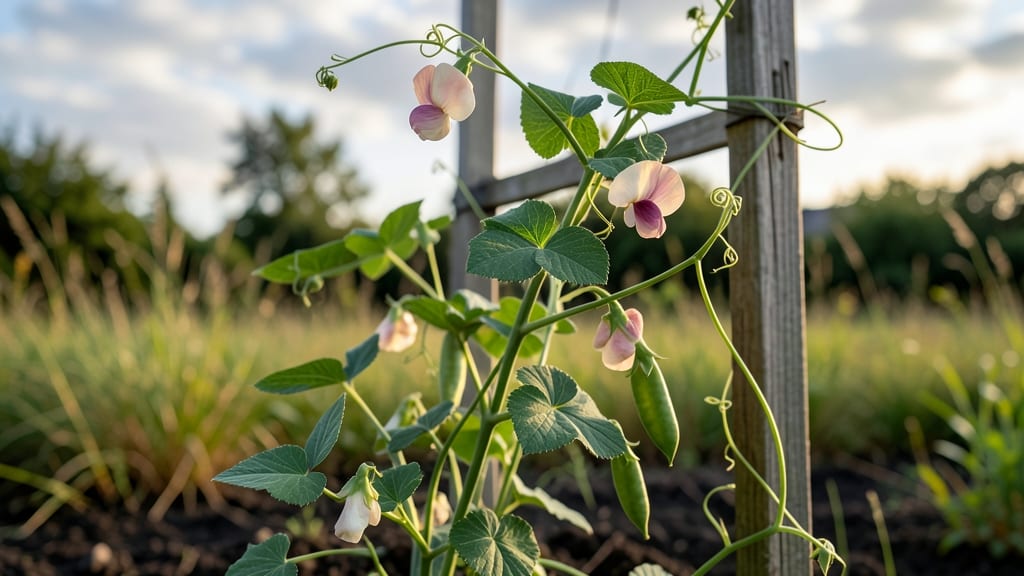
But here’s the catch: not all sweet peas reach the same height. Standard varieties like 'Spencer' or 'Cupani' can soar skyward, while dwarf types stay compact at just 3-5 feet. The difference comes down to variety, trellising, and even your local climate.
In this guide, I’ll break down exactly how tall sweet peas grow by type, plus the pro tips to coax them to their full potential—whether you’re aiming for a dramatic trellis display or a compact container garden.
Ready to transform your space with fragrant, climbing beauty? Let’s get growing.


Sweet pea height by variety: tallest climbing varieties and their growth habits
Sweet peas are famous for their vertical growth, but not all varieties reach the same heights. Some dwarf types stay under 5 feet, while champion climbers like 'Cupani' can soar to 10 feet or taller with proper support.
Understanding these differences helps you choose the perfect variety for your garden space and trellis setup.
Most standard sweet pea varieties mature between 6 to 10 feet, making them ideal for fences, arbors, or tall trellises. Dwarf varieties, however, typically max out at 3 to 5 feet, perfect for containers or small gardens.
The key to unlocking their full potential lies in selecting the right variety and providing adequate support early in their growth cycle.
Here’s a quick look at how different sweet pea varieties compare in height and growth habits:
| Variety | Height Range | Growth Habit | Best For |
|---|---|---|---|
| Cupani | 8–10 ft | Fast climber, vigorous | Tall trellises, fences |
| Spencer | 6–9 ft | Medium-fast, prolific blooms | Arbors, pergolas |
| Matucana | 5–7 ft | Compact, bushy growth | Containers, small trellises |
| Dwarf Blue | 3–5 ft | Slow climber, short vines | Patio pots, window boxes |
| Carlton | 7–10 ft | Tall, late blooming | Large trellises, privacy screens |
If you’re aiming for maximum height, varieties like 'Cupani' and 'Carlton' are top performers. These vines can reach their full potential in just one growing season with consistent care. For smaller spaces, 'Matucana' or 'Dwarf Blue' offer stunning blooms without overwhelming your garden layout.
Another factor to consider is the growth timeline. Most sweet peas take 60 to 90 days to reach maturity, but their climbing speed varies. Fast growers like 'Spencer' can add 1–2 feet per week under ideal conditions, while slower varieties may take longer to establish.
This is why early support—like a sturdy trellis—is critical for preventing floppy vines.
For first-year growth, expect most varieties to reach 4 to 6 feet by midsummer. In subsequent years, with proper pruning and care, they can continue climbing higher.
This makes sweet peas a great choice for multi-season gardens, as they can be trained to cover vertical spaces year after year.
When planning your garden, also consider the spreading habit of sweet peas. Even tall varieties can spread 2 to 3 feet wide if not pruned regularly. This means you’ll need to space plants 12 to 18 inches apart to avoid overcrowding, which can stunt growth and reduce flower production.
For cut flower gardens, taller varieties like 'Cupani' are ideal because they produce long, sturdy stems perfect for bouquets. Shorter varieties, while adorable, may not provide the same dramatic height for floral arrangements.
If you’re growing sweet peas for scent and color, prioritize varieties that thrive in your climate and match your trellis height.
One common mistake is assuming all sweet peas will grow tall without support. Without a trellis or cage, vines can sprawl along the ground, leading to fewer blooms and increased risk of disease. Always install support structures at planting time to encourage upward growth from the start.
Finally, remember that soil quality and sunlight play a huge role in height. Sweet peas need full sun (6+ hours daily) and well-draining soil to reach their maximum potential. Amend your soil with compost before planting to give vines the nutrients they need to climb higher and bloom brighter.
Sweet pea height by variety: tallest climbing varieties and their growth habits
Sweet peas are famous for their vertical growth, but their final height depends heavily on the variety you choose. Some varieties, like 'Cupani', can soar to 10 feet with proper support, while dwarf types like 'Tom Thumb' stay cozy at 3-4 feet.
Understanding these differences helps you plan trellises, spacing, and even garden layouts for maximum impact.
Most standard climbing varieties reach their peak height in 2-3 seasons, with the first year focusing on vine establishment. Early bloomers like 'Spencer' may hit 6 feet by midsummer, while late-season varieties like 'Matucana' take until fall to reach full 8-10 feet.
The key? Strong support from day one—without it, even the tallest varieties can flop like overgrown weeds.
Here’s how popular varieties compare in height and growth habits, so you can pick the perfect climber for your space or trellis:
| Variety | Height Range | Growth Speed | Best For |
|---|---|---|---|
| Cupani | 8–10 ft | Moderate (6–8 ft/year) | Trellises, tall fences |
| Spencer | 6–8 ft | Fast (5–7 ft/year) | Cut flowers, early blooms |
| Matucana | 7–10 ft | Slow (4–6 ft/year) | Late-season color, tall trellises |
| Tom Thumb | 3–4 ft | Compact (2–3 ft/year) | Containers, small gardens |
| Blue Danube | 5–7 ft | Moderate (4–6 ft/year) | Vertical gardens, obelisks |
If you’re growing sweet peas for cut flowers, prioritize varieties like 'Spencer' or 'Cupani', which produce long, sturdy stems perfect for arrangements. For small spaces, dwarf varieties like 'Tom Thumb' thrive in containers or short trellises, saving room for other plants.
Pro tip: Mix heights in your garden—tall varieties in the back, shorter ones in front—for a layered, lush look.
Remember, height isn’t everything. Even the tallest sweet peas need consistent care—like regular watering and pruning—to reach their potential. Neglect the basics, and even a 10-foot variety might max out at 4 feet.
But with the right support and attention, your sweet peas will climb higher than you’d expect, turning your garden into a fragrant vertical masterpiece.
🌸