
How To
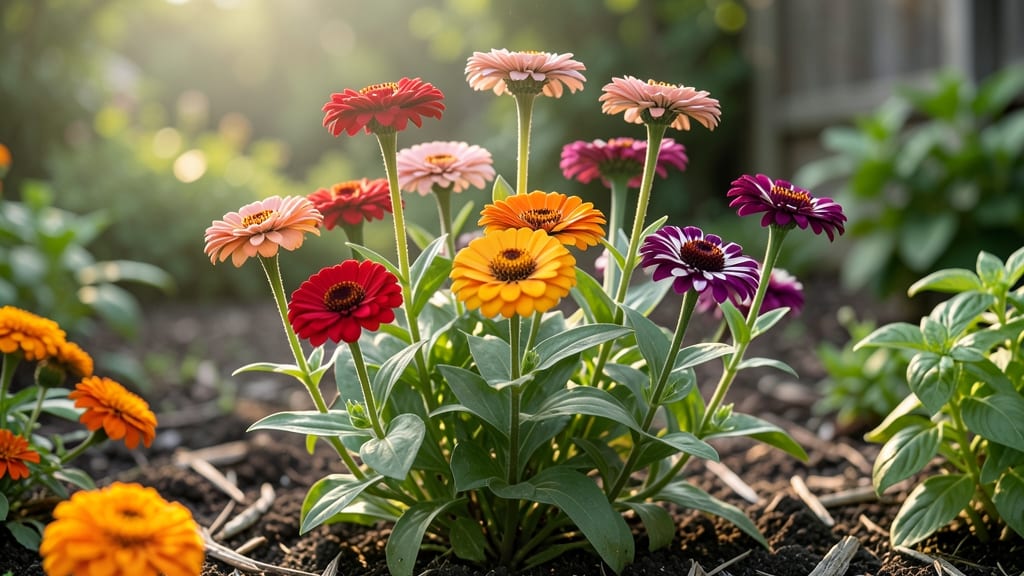
If you're planning your garden layout this spring, knowing how tall zinnias will grow could make all the difference between a crowded mess and a stunning, well-balanced display.
These cheerful 🌼 blooms come in sizes that range from tiny 6-inch dwarfs to towering 4-foot giants, and choosing the right variety for your space ensures your garden thrives.
Whether you're dreaming of vibrant borders or long-stemmed cut flowers, selecting zinnias with the perfect height saves you from last-minute rearrangements. The key lies in understanding each variety's growth habits—some stay compact, while others reach skyward—so you can place them where they'll shine brightest in your USDA Zone 6a garden.
In this guide, I'll break down the exact height ranges for popular zinnias, from the 12-inch "Thumbelina" series to the 4-foot "Benary's Giant," plus the spacing tips that keep them looking their best.
You'll also discover how sunlight, soil, and a little pruning can influence their growth—so you can grow zinnias that wow all season long.
Ready to transform your garden with the perfect mix of heights and colors? Let's dive into the varieties that will give your spring planting the boldest impact.


Zinnia height by variety: from dwarf to giant types
Zinnias offer a stunning range of heights, from tiny dwarf varieties perfect for window boxes to tall giants that create dramatic garden focal points. The height of your zinnias depends entirely on the variety you choose, with some reaching just 6 inches while others tower over 4 feet.
Understanding these height differences helps you plan your garden layout and select the perfect zinnias for your space.
For gardeners with limited space, dwarf zinnias like 'Thumbelina' stay between 6-12 inches tall, making them ideal for containers and borders. These compact varieties also produce abundant blooms, offering big impact in small areas.
Meanwhile, giant varieties like 'Benary's Giant' can reach 3-4 feet, providing stunning cut flowers and vertical interest in larger gardens.
Here's a quick reference for zinnia heights by category to help you visualize their mature sizes:
| Variety Type | Height Range | Best For | Spacing |
|---|---|---|---|
| Dwarf | 6-12 inches | Containers, window boxes, small borders | 6-8 inches apart |
| Semi-Dwarf | 12-18 inches | Front of borders, mixed containers | 8-12 inches apart |
| Standard | 18-24 inches | Mid-border planting, cut flower gardens | 12-18 inches apart |
| Tall | 24-36 inches | Back of borders, cut flower arrangements | 18-24 inches apart |
| Giant | 36-48 inches | Focal points, cut flower gardens, staking required | 24-36 inches apart |
Popular dwarf varieties like 'Crystal' and 'Lilliput' stay under 12 inches tall, making them perfect for container gardening or adding color to window boxes. These varieties often have double blooms that create lush, full appearances despite their small stature.
Their compact size also makes them excellent choices for urban gardeners with limited space.
The medium-height zinnias (18-24 inches) strike the perfect balance for most gardeners. Varieties like 'Profusion' and 'Crystal Ball' offer abundant blooms and long stems, making them ideal for both garden beds and cut flower arrangements.
These varieties typically require moderate spacing of 12-18 inches to allow for proper air circulation and prevent disease.
For gardeners who love dramatic height, the tall and giant varieties deliver spectacular results. 'Benary's Giant' can reach 4 feet tall with 4-inch blooms, creating stunning vertical accents in any garden.
These varieties often require staking to prevent flopping, especially in windy conditions or when heavily laden with blooms. Their long stems also make them excellent choices for cut flower arrangements that can last for weeks in a vase.
When planning your garden layout, consider not only the height of each zinnia variety but also their bloom size and color patterns. Taller varieties with large blooms create striking focal points, while shorter varieties with smaller flowers work beautifully in mass plantings or as edging plants.
Mixing different heights and bloom sizes creates visual interest and extends the blooming season from early summer to frost.
Remember that proper spacing is crucial for healthy zinnia growth. Crowding plants together can lead to poor air circulation, increasing the risk of fungal diseases like powdery mildew.
Always follow the spacing recommendations for each variety to ensure your zinnias reach their full potential height and produce vibrant blooms throughout the season.
If you're growing zinnias for cut flowers, choose varieties with long stems and strong stems that can support their own weight. The tall and giant varieties are particularly well-suited for this purpose, as their thick stems and large blooms create stunning bouquets that last for weeks in a vase.
Zinnia height by variety: from dwarf to giant types
Zinnias are one of the most versatile flowers for gardeners because their height can range from 6 inches to over 4 feet. This variation means you can use them in everything from window boxes to tall flower arrangements.
The key to choosing the right variety is understanding how each type grows—whether it stays low and bushy or reaches skyward with long stems.
For gardeners planning their USDA Zone 6a beds, knowing the exact height of each zinnia variety helps you space them properly. Too close together, and they’ll compete for sunlight; too far apart, and your garden will look sparse.
I’ve categorized zinnias into four height groups to make planning easier: dwarf, semi-dwarf, standard, and giant.
Here’s a quick look at how each group performs in your garden, along with their ideal uses and spacing needs. This table will help you visualize which zinnias fit best in your layout—whether you’re creating a container garden or a backyard border.
| Variety Group | Height Range | Popular Cultivars | Best For | Spacing |
|---|---|---|---|---|
| Dwarf | 6–12 inches | Thumbelina, Crystal, Liliput | Containers, window boxes, edging | 6–12 inches apart |
| Semi-Dwarf | 1–2 feet | Profusion, Zahara, Magellan | Borders, mixed beds, cut flowers | 12–18 inches apart |
| Standard | 2–3 feet | Benary’s Giant, State Fair, Crystal Ball | Cut flower arrangements, back borders | 18–24 inches apart |
| Giant | 3–4 feet | Benary’s Giant, Super Big, Grandpa | Tall arrangements, focal points, cut flowers | 24–36 inches apart |
If you’re growing zinnias for cut flowers, the taller varieties like Benary’s Giant or Super Big are ideal because their long stems hold up well in bouquets. For containers or small spaces, the Thumbelina series or Crystal zinnias stay compact and spill beautifully over edges.
Pro tip: Always check the seed packet for the exact height of the variety you’re planting—some can vary slightly!
Now that you know the height ranges, the next step is ensuring your zinnias grow to their full potential. Sunlight, soil quality, and pruning habits all play a role in whether your zinnias reach their maximum height.
For example, giant varieties need staking to prevent flopping, while dwarf types thrive in well-draining containers with regular deadheading to encourage more blooms.
Ready to pick the perfect zinnias for your garden? Start by sketching your layout and matching the heights to your vision—whether it’s a whimsical cottage garden or a structured modern border.
The right variety will not only fit your space but also bring years of vibrant color to your outdoor oasis.