
Companion Plants
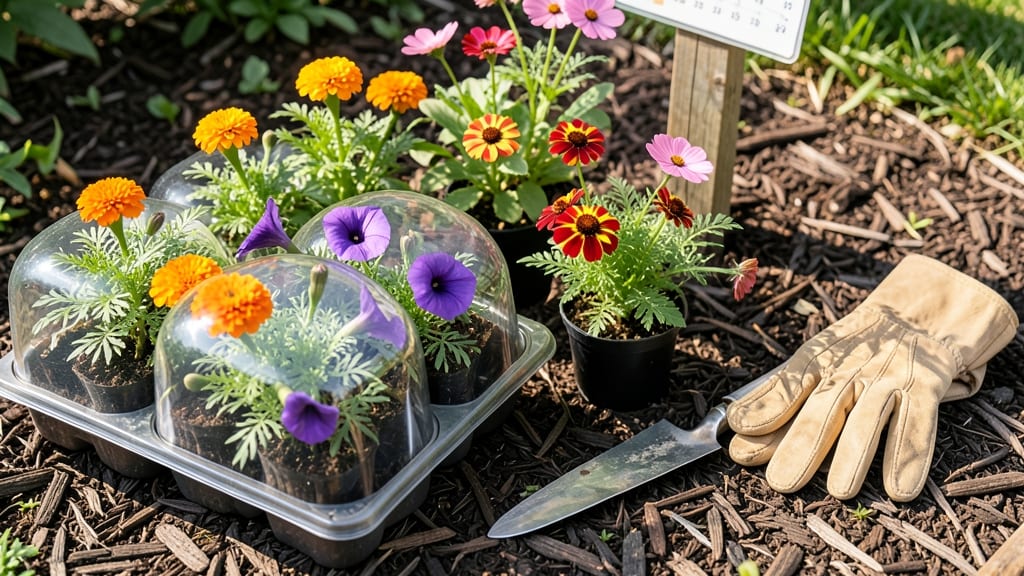
When can I plant annuals in Zone 6? Timing your annuals just right in Zone 6 means the difference between vibrant blooms and wilted disappointment—because frost and heat can turn your garden dreams into a gamble. Whether you're dreaming of marigolds blazing in summer or pansies brightening early spring, knowing the exact window to plant saves you from costly mistakes.
I’ve spent years watching gardens thrive (and flop) based on when seeds hit the soil, and the key isn’t just memorizing frost dates—it’s understanding how soil warmth and heat tolerance change the rules for cool-season vs. warm-season plants.
Let me break down the perfect planting windows so you can avoid the two biggest pitfalls: planting too early and risking frost damage, or waiting too long and missing peak color.
From the first spring thaw to the last fall frost, Zone 6 offers a surprisingly narrow margin for error. But with the right strategies—like using row covers or adjusting for fast vs. slow growers—you can stretch your planting season and enjoy blooms from May through October**.
Ready to stop guessing and start growing? I’ll walk you through the exact frost-free timeline, soil prep tips, and even how to tweak your schedule for northern vs. southern Zone 6. Let’s get those annuals in the ground at the perfect moment!
Zone 6 frost dates and ideal planting windows for annuals
Understanding your Zone 6 frost dates is the first step to planting annuals successfully. In this zone, the average last spring frost typically occurs between April 15 and May 15, while the first fall frost arrives around October 15 to November 1.
These dates create your planting windows for cool-season and warm-season annuals—get them wrong, and your flowers or veggies may never thrive.
Zone 6 spans a wide geographic area, from the Midwest to the Northeast, so your exact dates may vary by 5-10 days depending on elevation and proximity to large bodies of water.
For example, Chicago often sees its last frost by April 20, while Pittsburgh may wait until May 5. Always check your local USDA Plant Hardiness Zone Map and consult nearby gardeners or extension services for precise data.
Annuals are divided into two main categories: cool-season plants (like pansies and lettuce) and warm-season plants (like marigolds and tomatoes). Cool-season varieties can handle light frosts and even thrive in cooler temperatures, while warm-season plants need consistent warmth to germinate and grow.
Planting them too early can stunt their growth or invite disease.
Here’s the key rule for Zone 6: Wait until soil temperatures reach at least 60°F (15°C) for warm-season annuals. A soil thermometer is your best friend—stick it in the ground 2-3 inches deep in the morning.
If it’s below 60°F, hold off on planting heat-loving annuals like basil, zinnias, or petunias.
For cool-season annuals, start seeds indoors 6-8 weeks before your last frost date or sow directly in the garden 4-6 weeks before.
These plants grow quickly and can often handle a light frost. Pansies and violas, for example, can bloom even when temperatures dip to 28°F (-2°C), making them perfect for early spring or late fall plantings.
If you’re eager to extend your growing season, consider using row covers or cold frames to protect tender annuals. These tools can push your planting window 2-3 weeks earlier in spring or 3-4 weeks later in fall.
For instance, you might start basil or tomatoes under a row cover in early May, then remove it once nighttime temperatures stay above 50°F (10°C).
Don’t forget about succession planting—a technique where you plant fast-growing annuals in multiple batches to ensure continuous blooms or harvests. For example, sow radishes every 2 weeks from April through July in Zone 6. This strategy keeps your garden productive and prevents gaps in color or yield.
Finally, pay attention to moon phases if you’re a traditional gardener. Planting cool-season crops during the waning moon (after a full moon) is said to encourage root growth, while warm-season crops thrive when planted during the waxing moon.
While not scientifically proven, many Zone 6 gardeners swear by this method for healthier, more vigorous plants.
Pro tip: Mark your calendar with your last frost date and count backward for cool-season plantings or forward for warm-season ones. Use garden markers to track what you’ve planted and when, so you can plan future seasons more effectively. Happy planting!
How to adjust planting timing for fast-growing vs. slow-growing annuals
Not all annuals grow at the same speed—some like cosmos and marigolds bolt quickly, while others like petunias or geraniums take their time. In Zone 6, this difference means the gap between your last frost date (around April 15–May 1) and when you can safely plant varies wildly.
Fast growers get a head start, while slow growers need patience—or a little help from row covers.
Soil temperature is your best friend here. Most annuals need soil to warm to at least 60°F (15°C) before planting. Use a soil thermometer to check—cold soil slows germination and stunts growth. For warm-season annuals like basil or tomatoes, wait until the soil hits 70°F (21°C) or higher.
Cool-season stars like pansies or lettuce can handle cooler soil but still need to avoid frost.
Here’s how to match your annuals to their ideal planting window in Zone 6:
| Plant Type | Growth Speed | Zone 6 Planting Window | Soil Temp Threshold |
|---|---|---|---|
| Cool-Season Annuals | Moderate | Late March–April (after last frost) | 45–55°F (7–13°C) |
| Warm-Season Annuals (Fast) | Quick (30–45 days) | Mid-April–May (soil 60°F+) | 60–70°F (15–21°C) |
| Warm-Season Annuals (Slow) | Slow (60+ days) | Late May–June (soil 70°F+) | 70°F+ (21°C+) |
To give slow growers a fighting chance, start them indoors 4–6 weeks before your last frost date. Use grow lights or a sunny windowsill, and harden them off by moving trays outside for a few hours daily before transplanting. For fast growers, direct sow after soil warms—no need to rush!
Row covers or cold frames can shave weeks off your planting schedule. Drape a lightweight cover over seedlings to protect them from late frosts, or use a mini greenhouse to jumpstart warm-season plants like peppers or eggplants. Just
Knowing when to plant isn’t just about dates—it’s about matching your annual’s personality to your Zone 6 climate. Test soil temps, watch for frost warnings, and don’t hesitate to use season-extending tools. With the right timing, your garden will burst into color from spring pansies to fall mums—no missed opportunities! 🌸