
Companion Plants
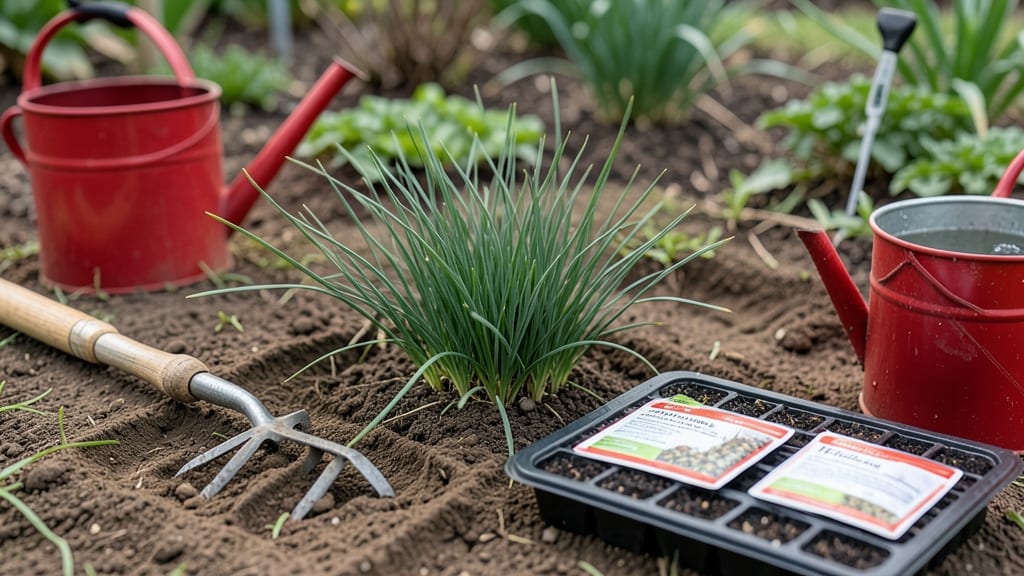
Planting your spring grass at the wrong time can leave you staring at a patchy, slow-growing lawn—even with the best seed.
The difference between a vibrant lawn and a struggle often comes down to timing, and getting it right means waiting for the perfect balance of warm soil and stable weather.
In Zone 6a (where most home gardeners live), the ideal window opens around mid-April, when soil temperatures hit 55°F and frost risks fade. But if you live farther north or south, those dates shift—and planting too early can mean wasted seed or weak roots.
Let’s break down exactly when to act for your region.
You’ll also discover how to prep your soil, spot the perfect signs your yard is ready, and avoid common mistakes that derail even the best-laid plans. Whether you’re seeding bare spots or laying new sod, these steps will help your 🌱 grass take hold fast.
Ready to skip the guesswork? I’ll walk you through the exact weeks to plant, plus post-planting care to keep your lawn thriving from day one. Let’s get started.
USDA Zone-specific weeks to plant grass in spring for maximum root growth
Getting your grass planted at the right time in spring is crucial for strong root development and vibrant growth. The USDA plant hardiness zones help determine the ideal planting window, as cooler northern zones have later frost dates than warmer southern regions.
For most grass types, the soil temperature should consistently stay above 55°F (13°C) for at least a week before planting.
In USDA zones 3-5, where winters are harsh, aim to plant 4-6 weeks before your last expected frost date. This typically falls in mid-April to early May.
Meanwhile, zones 6-9 can start planting as early as late February to March, while zones 10-11 have a longer window from January through April.
Here’s a breakdown of the best planting weeks by zone to ensure your grass establishes before summer heat sets in:
If you’re in a transition zone (e.g., 7a vs. 7b), err on the side of planting later. For example, Zone 7a should wait until late April, while Zone 7b can start in March.
Always check your local frost dates and monitor soil warmth with a soil thermometer for accuracy.
For cool-season grasses like Fescue or Ryegrass, planting in early spring gives roots time to establish before summer dormancy. Warm-season grasses like Zoysia or Centipede, however, should wait until late spring when soil temps reach 65°F (18°C) or higher.
Pro tip: If your spring is unpredictable, use a seed blanket or straw mulch to protect newly planted grass from late frosts. This buys you extra time to establish roots before summer heat arrives.
Once your grass is planted at the right time, focus on consistent watering (1/2 inch per week) and light fertilization to encourage rapid growth. Avoid heavy foot traffic for the first 4-6 weeks to prevent root damage.
Signs your soil and weather are ready for spring grass planting
Before rushing out to plant your spring grass, watch for these key signs that your soil and weather are finally cooperating. Cold soil and unpredictable frost can turn your seed into a waste of money—so knowing the perfect conditions saves time and frustration.
The goal? Plant when the ground is warm enough for roots to establish but not so hot that moisture evaporates too quickly.
First, check your soil temperature—it should consistently stay above 55°F (13°C) during the day. Use a soil thermometer to test it about 2-4 inches deep, as this is where grass roots will first grow.
If it’s still hovering around 50°F (10°C), wait a few more days. Cold soil slows germination and can even kill young seedlings.
Next, monitor your weather forecast for at least a week. Aim for a stretch of stable, mild temperatures with no frost warnings. Even a light freeze can damage tender new grass, so avoid planting if nighttime temps dip below 40°F (4°C).
Southern regions (Zones 8-11) can plant earlier, but northern gardeners (Zones 3-6) should wait until all danger of frost has passed.
🌱
Don’t overlook the importance of soil moisture. Test it by squeezing a handful—it should hold together but not be sticky. If your soil feels dry, water it deeply the day before planting to create the perfect environment for seed-to-soil contact.
Overly dry soil can cause seeds to sit on top, leading to poor germination.
Finally, pay attention to humidity levels. Low humidity (common in early spring) can dry out seeds quickly, while high humidity may encourage fungal growth. Aim for a moderate humidity range (40-60%) to strike the right balance.
If your area is particularly dry, consider using a light mulch or straw to retain moisture until your grass is established.
Once you’ve confirmed these conditions, you’re ready to plant! But remember, even the best timing won’t guarantee success if you skip soil prep or overwater. Stay tuned for my next section on common mistakes to avoid—so you can set your lawn up for long-term success. ✂️