
Planting
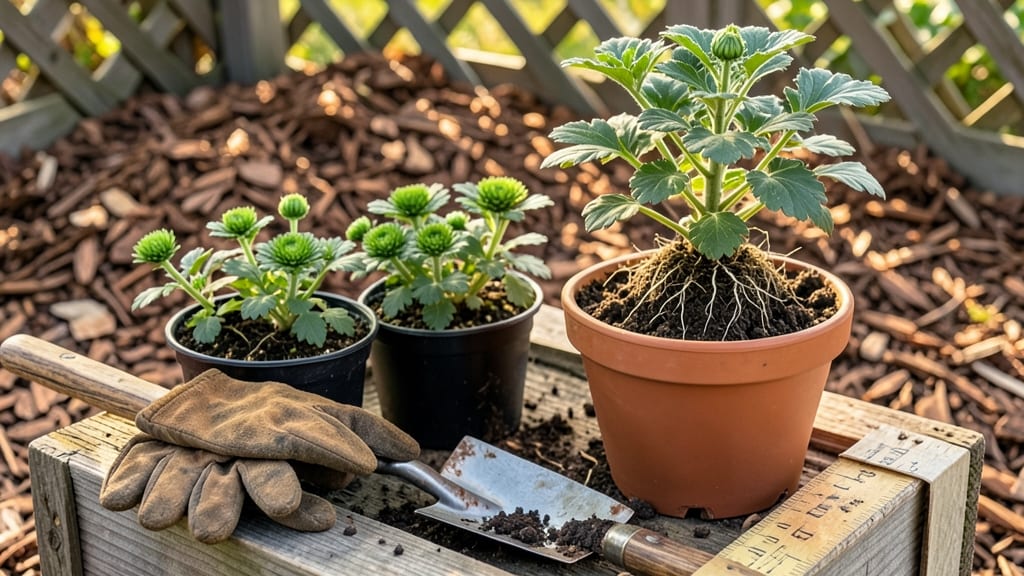
If you’ve ever stared at a pack of 🌼 mums wondering, "When can I plant these in the ground?"—you’re not alone.
The secret to vibrant fall blooms isn’t just about buying the right variety; it’s about planting them at the perfect time, 4-6 weeks before your first frost, when roots can establish before cold sets in.
Here’s the thing: timing varies wildly by zone, and getting it wrong means either weak plants or missed color. I’ll break down exactly when to plant in your area—whether you’re in USDA Zone 6a or beyond—plus pro tips to adjust for early or late seasons.
No more guessing, just confident planting that guarantees those showstopping blooms.
Let’s start with the frost-date cheat sheet that’ll have your garden bursting with color by autumn. You’ll learn how to read your local frost dates, prep soil like a pro, and avoid the 3 biggest planting mistakes that kill mums before they even bloom.
Ready to transform your yard into a fall masterpiece? The clock’s ticking—your mums won’t plant themselves—so let’s get started.
Mums planting calendar by USDA hardiness zones: exact frost-date guide
Planting mums at the right time ensures vibrant blooms and healthy growth. The key is to plant 4-6 weeks before your first frost date—this gives roots time to establish before winter.
In most regions, that means late summer to early fall, but exact timing varies by USDA zone and mum variety.
For example, in Zone 5, where frosts hit early, aim for late August to early September. Meanwhile, gardeners in Zone 9 can extend planting into October thanks to milder winters. Let’s break it down by zone so you can pinpoint your ideal window.
Pro Tip: Check your local average first frost date using the USDA Plant Hardiness Zone Map. Then, count backward 4-6 weeks to determine your planting deadline. This simple calculation prevents common mistakes like planting too late for root establishment.
If you’re in Zone 3-4, prioritize early varieties like 'Autumn Joy' or 'Purple Dome'—they bloom sooner and handle colder temps better. In warmer zones (7-10), you can even plant late-blooming varieties like 'Coca-Cola' or 'Pink Beauty' into early October.
For container gardening, extend your window by 2-3 weeks. Pots warm up faster and can be moved to sheltered spots if frost threatens. Just ensure containers have drainage holes to prevent root rot during cooler weather.
One common mistake? Planting mums too early. If you set them out in June or early July, they may bolt (produce flowers prematurely) or struggle in summer heat. Wait until soil temps drop below 80°F for best results.
In southern climates (Zones 9-10), mums can bloom year-round with proper care. Plant in fall or winter to avoid summer heat stress, and use shade cloth during peak sun hours if needed.
Always amend soil with compost or aged manure before planting. Mums thrive in well-draining, slightly acidic soil (pH 6.0-6.5). A quick soil test ensures you’re not missing critical nutrients like phosphorus, which boosts blooms.
After planting, water deeply to settle roots, then maintain 1 inch of water per week. Mulch with 2-3 inches of straw or shredded leaves to retain moisture and regulate soil temperature.
For overwintering mums in cold zones, cut back foliage to 2-3 inches after first frost, then cover with straw or burlap. This protects roots and encourages next year’s blooms.
5 Signs your mums are ready for ground planting (and 3 common mistakes)
Planting mums too early or late can mean the difference between a showstopping fall display and wilted disappointment. Before you dig that hole, check these 5 key signs your mums are truly ready to thrive in the ground—not just survive.
First, look at the root system. Healthy mum roots should be white and fibrous, not brown or mushy. If roots are tangled or circling the pot, gently loosen them before planting to encourage outward growth. This prevents root-bound stress, which stunts blooms.
Next, examine the leaf size. Mums ready for transplanting will have 3-4 sets of mature leaves (about 2-3 inches wide).
Smaller leaves mean the plant isn’t strong enough for outdoor conditions yet. Hardiness matters: if leaves feel leathery and firm, they’re ready; if they’re soft or floppy, wait a week.
Don’t ignore the weather forecast. Planting when nighttime temps dip below 50°F (10°C) stresses mums, slowing root growth. Use a 5-day forecast to avoid surprises—aim for stable 60-75°F (15-24°C) days with no hard frost in sight. In Zone 6a**, this usually means late August to early September.
Here’s a critical mistake many gardeners make: planting mums too deep. The crown (where stems meet roots) should sit just above soil level. Burying it too low causes rot, while planting too high stresses the plant.
Use your finger to check—1 inch of soil above the crown is perfect.
Finally, watch for bud formation. If you see tiny flower buds appearing, your mums are eager to bloom—plant them immediately to avoid shock. But if buds are large and open, delay planting until next year; they won’t survive transplanting.
Now, let’s talk about the 3 biggest mistakes that kill mums before they even establish. Skipping soil prep, ignoring drainage issues, or planting in shady spots are silent bloom-killers. Avoid these, and your mums will reward you with months of color.
- ✔️ White, fibrous roots (no brown/mushy spots)
- ✔️ 3-4 sets of mature leaves (2-3 inches wide)
- ✔️ Leathery, firm leaves (not soft or floppy)
- ✔️ Stable 60-75°F temps (no frost risk)
- ✔️ Crown 1 inch above soil (not buried or exposed)
Pro tip: If your mums show yellowing leaves after planting, it’s often a sign of overwatering. Mums hate soggy roots—always plant in well-draining soil and water only when the top 1 inch feels dry. A 5-minute soil check before watering saves lives.
Lastly, microclimates matter. A spot near your south-facing wall might be 5°F warmer than the rest of your yard, extending your planting window. Test it: place a thermometer in the spot for 3 days to see if it’s safe to plant earlier.
With these signs and avoided mistakes, your mums will thrive all fall long. Next, we’ll cover how to extend their season even further—because why limit blooms to just one season? 🌿