
Companion Plants
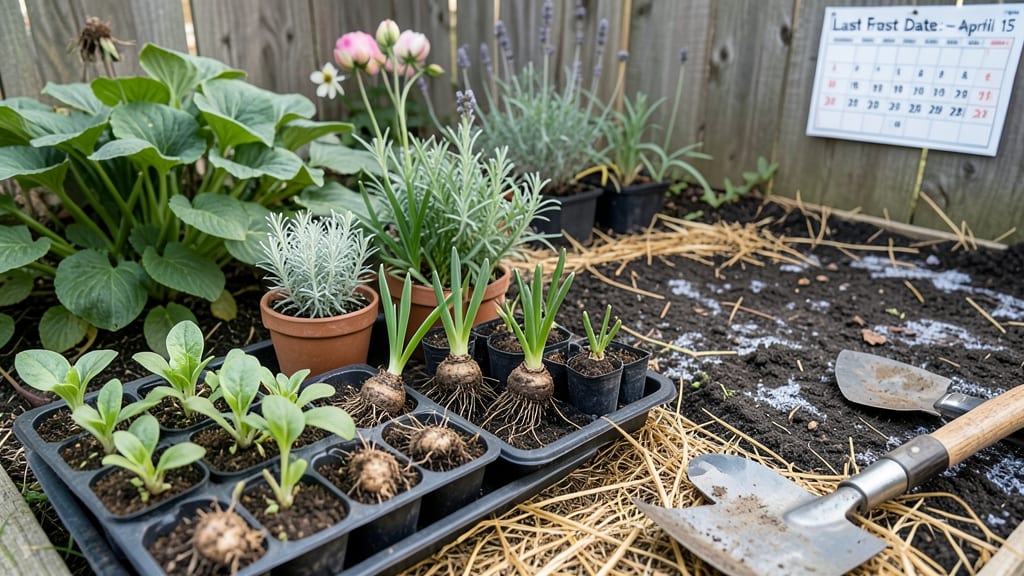
Timing your perennial planting in Zone 6 could make or break your garden’s success—especially when frost lingers or heat arrives early. Unlike annuals, these hardy plants need the right window to establish roots before summer’s intensity or winter’s chill sets in.
In Zone 6 (General), where last frosts typically hit mid-April and first frosts arrive by mid-October, the best times to plant are early spring or early fall.
But here’s the catch: rushing too soon can leave your 🌱 vulnerable to cold snaps, while waiting too late might stunt growth before winter.
Whether you’re adding peonies, coneflowers, or lavender, I’ll break down the ideal frost-free timeline—plus how to adjust for urban microclimates or unpredictable weather. No more guessing!
Ready to plant with confidence? Let’s dive into the exact steps to get your perennials off to the strongest start in Zone 6.
Zone 6 perennial planting timeline: when to plant by frost dates
Timing is everything when planting perennials in Zone 6, where average last frost dates range from mid-April to early May, depending on your exact location. Planting too early risks frost damage, while waiting too late may stunt root growth before winter.
My rule of thumb? Aim for 4-6 weeks before the first hard frost in fall or 2-4 weeks after the last frost in spring.
Zone 6 spans USDA Hardiness Zones 6a (-10°F to 0°F) and 6b (0°F to 10°F), meaning some perennials thrive in both seasons while others need precise timing.
For example, hardy perennials like peonies can handle spring planting as early as March, while tender varieties like lavender prefer late spring to avoid early cold snaps.
Soil temperature matters just as much as air temperature. Most perennials establish best when soil reaches 60°F—a threshold typically met by late April to early May in Zone 6. Use a soil thermometer to check, especially if your spring feels unusually cold or wet.
Fall planting offers a second chance for perennials to root before winter. In Zone 6, aim to plant by mid-September in the northern part of the zone or early October in the southern regions. This gives roots 6-8 weeks to establish before the ground freezes.
Microclimates within Zone 6 can shift planting windows by 2-4 weeks. Urban areas often warm up faster than rural spots, while south-facing slopes may stay frost-free longer. Pay attention to local frost-free dates—your county extension office can provide precise data for your area.
Here’s my Zone 6 Perennial Planting Timeline broken down by season and key milestones:
| Season | Planting Window | Soil Temp Goal | Key Perennials | Notes |
|---|---|---|---|---|
| Early Spring | Late March–Early April | 45–55°F | Peonies, Daylilies, Catmint | Hardy perennials only; protect with frost cloth if late frost predicted. |
| Late Spring | Mid-April–Early May | 60–70°F | Lavender, Coneflowers, Black-Eyed Susans | Ideal for most perennials; soil should be workable. |
| Early Fall | Mid-September–Early October | 50–60°F | Hostas, Asters, Russian Sage | Plant 6–8 weeks before first frost for root establishment. |
| Late Fall | October–Early November | 40–50°F | Spring-Blooming Bulbs (e.g., Tulips) | Avoid planting perennials this late; focus on bulbs. |
For Zone 6b (warmer microclimates), you can push spring planting into early May and fall planting into early November. In Zone 6a, err on the earlier side—late April for spring and mid-September for fall—to account for colder nights.
Pro tip: If your soil stays cold or soggy in spring, use black plastic mulch or row covers to warm the soil faster. For fall plantings, add 2–3 inches of mulch after planting to insulate roots during winter.
Always check your local frost dates—they can vary by 10–14 days even within the same zone. My go-to resource? The Old Farmer’s Almanac or your state agricultural extension service for hyper-local advice.
Now that you’ve got the timeline down, let’s dive into which perennials shine when planted in spring vs. fall—and why timing matters for each.
Zone 6 perennial planting timeline: when to plant by frost dates
In Zone 6, timing your perennial planting around frost dates is critical—especially since last frosts can hit as late as mid-April and first frosts arrive by mid-October.
The ideal planting window spans early spring (March-April) and early fall (September-October), when soil temperatures hover around 60°F and roots can establish before extreme weather. My go-to rule: Plant perennials 4-6 weeks before your average first frost in fall or 2-3 weeks after the last spring frost.
Spring planting gives perennials a full growing season to root deeply before winter, while fall planting lets them establish roots without summer heat stress. For tender perennials like lavender or Russian sage, I always opt for spring planting—they’re more frost-sensitive.
Meanwhile, hardy perennials like coneflowers or hostas handle fall planting beautifully, often blooming more vigorously the next year. The key is soil workability: If you can crumble dry soil in your hands, it’s ready!
| Season | Planting Window | Soil Temp | Key Consideration |
|---|---|---|---|
| Spring | March 15 - April 30 | 55-65°F | Wait for last frost + 2 weeks |
| Fall | September 1 - October 15 | 50-60°F | Plant 6 weeks before first frost |
| Tender Perennials | Spring only | 60°F+ | Avoid fall frost exposure |
| Hardy Perennials | Spring or Fall | 50-65°F | Best for fall establishment |
Microclimates in Zone 6 can shift planting windows by 2-3 weeks. Urban areas often experience heat islands that delay spring frosts, while rural spots may see earlier cold snaps. I always check my local cooperative extension service for precise frost dates—your neighbor’s garden might not match yours!
For container-grown perennials, I plant 2 weeks earlier in spring since they warm up faster in pots. And if you’re in Zone 6a (colder end), err on the side of fall planting—those extra weeks give roots time to anchor.
One common mistake I see is planting too early in spring when soil is still cold and soggy. Roots rot in 40°F soil, so always test with a soil thermometer—aim for 55°F minimum.
For fall plantings, I mark my calendar for 6 weeks before frost and use mulch to protect newly planted perennials. Pro tip: Divide and transplant established perennials in early spring (March) or early fall (September)—this gives them the best chance to recover.
Don’t overlook perennial seed planting times! Seeds need even more precise timing—sow annual flowers like cosmos in late spring (May-June) for fall blooms, but perennial seeds like poppies or lupines should go in late summer (August) for fall germination.
The key difference is giving seeds time to germinate before winter dormancy. I always label my seed packets with planting dates to avoid confusion!
Remember, Zone 6’s unpredictability means flexibility is key. If you miss the ideal window, don’t panic—just use containers or row covers to extend your season.
My hardiest perennials (like Russian sage or catmint) often survive if planted in late fall, though they may take an extra year to fully establish. The bottom line: Plant when soil is workable, roots can grow, and extreme weather isn’t coming!