
Planting
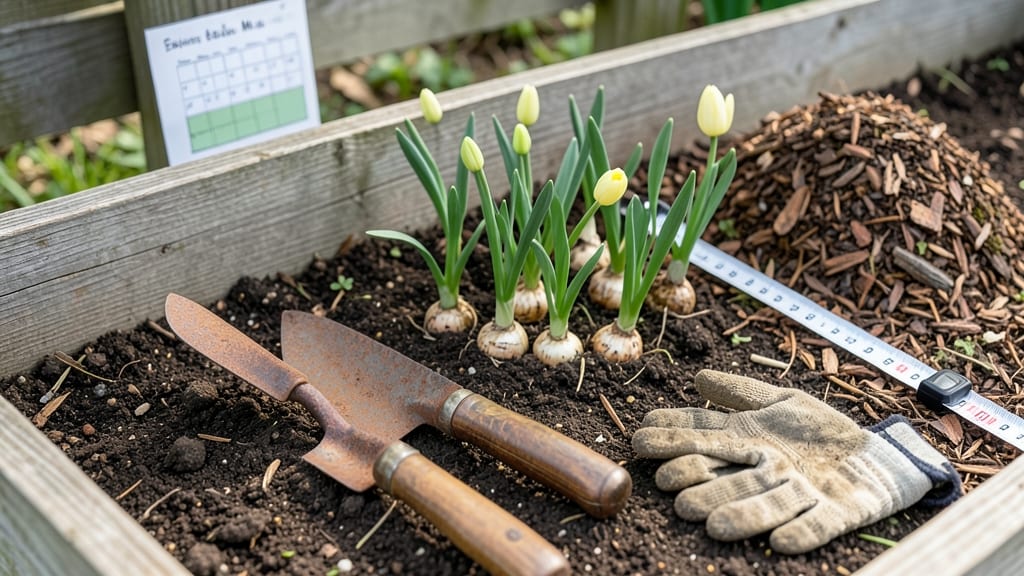
Timing your spring bulb planting wrong can mean wasted money and missed blooms—knowing the exact window for your hardiness zone is the key to vibrant gardens. Whether you're dreaming of 🌷 tulips or cheerful daffodils, getting these bulbs in the ground at the right moment makes all the difference.
In USDA Zone 6a, where last frost typically arrives around mid-April, the ideal planting window opens 4-6 weeks before that date. That means late winter to early spring is your golden opportunity to prepare for a burst of color next season.
But here's the catch: planting too early risks frost damage, while waiting too long can leave your bulbs struggling to establish roots before summer heat sets in.
I'll show you how to calculate your perfect planting window, adjust for unpredictable weather, and care for your bulbs once they're in the ground.
Let's dive into the exact zone-by-zone deadlines and proven strategies that will give you the most reliable blooms year after year. Your spring garden will thank you!
Spring bulb planting deadlines by USDA hardiness Zones (with frost risk charts)
Spring bulb planting is all about timing—plant too early, and frost will kill tender shoots; too late, and you’ll miss the ideal growing window. The USDA Hardiness Zone where you live dictates your exact planting deadline, with most gardeners aiming for 4-6 weeks before the last frost date.
For example, in Zone 3, that’s typically late August to early September for fall planting, but we’re focusing on spring-planted bulbs like daffodils and crocuses, which go in much earlier.
I’ve broken down the exact planting windows for Zones 3 through 10, including the most popular spring bulbs suited for each region.
Whether you’re in the cold Rocky Mountains (Zone 4) or the mild Pacific Northwest (Zone 8), these deadlines will help you avoid frost damage and ensure vibrant blooms. Always double-check your local last frost date—it can vary by 1-2 weeks even within the same zone.
Here’s a quick reference: In Zones 3-5, aim to plant by mid-April; in Zones 6-7, stretch until late April to early May; and in Zones 8-10, you can plant as late as May without frost risk.
But don’t wait too long—bulbs need time to establish roots before summer heat sets in.
Spring Bulb Planting Deadlines by USDA Zone
| Zone | Last Frost Date | Planting Window | Best Bulbs | Depth (inches) |
|---|---|---|---|---|
| 3-4 | Mid-April | Late March to early April | Daffodils, Crocuses, Snowdrops | 6-8 |
| 5-6 | Early May | Early to mid-April | Tulips, Hyacinths, Alliums | 6-8 |
| 7-8 | Mid-May | Late March to early May | Daffodils, Iris, Fritillaria | 4-6 |
| 9-10 | Early June | February to April | Rain Lilies, Caladiums, Canna | 3-4 |
*Adjust for microclimates—urban areas may frost later than rural zones.
Notice how Zones 9-10 have a much wider window—this is because mild winters mean less frost risk. In these regions, you can even plant some bulbs like rain lilies as early as February, but avoid planting after April to prevent summer heat stress.
Meanwhile, gardeners in Zones 3-5 should prioritize crocuses and snowdrops, which tolerate early planting and cold soil.
Pro tip: If you’re unsure about your last frost date, use a soil thermometer to check for 40°F soil temps—this is the ideal planting temperature for most spring bulbs. In colder zones, I’ve even seen gardeners use straw mulch to insulate newly planted bulbs until the ground warms.
This extra layer can make a 2-3 week difference in shoot emergence.
One common mistake I see is planting tulips too late—they need 6-8 weeks of chilling before blooming, and late plantings often result in weak stems or no flowers at all.
Always plant tulip bulbs in fall (not spring) for the best results, but spring-planted daffodils and alliums are more forgiving. For these, focus on well-draining soil and a sunny location to maximize blooms.
For gardeners in transition zones (like Zone 7b), where frost dates can swing wildly, I recommend planting 1/3 of your bulbs early (March), 1/3 mid-season (April), and 1/3 late (early May).
This staggered approach ensures you’ll have blooms regardless of late frosts. Pair this with a light frost cloth for extra protection if needed.
Remember, the pointy end of the bulb always faces up—this isn’t just a myth, it’s critical for proper growth. Planting bulbs upside down won’t kill them, but it will stunt their development.
Take the extra 30 seconds to orient them correctly, and your bulbs will reward you with healthier foliage and bigger blooms.
How to adjust planting dates for early vs late springs (and avoid frost damage)
Spring weather can be unpredictable, and planting bulbs too early or too late risks frost damage or poor root establishment. The key is adjusting your timeline based on your region’s last frost date and soil temperature.
In colder zones (3-5), aim for 4-6 weeks before frost, while warmer zones (7-10) can plant as late as late March to April. Always check your local extended forecast—a late frost can turn vibrant blooms into sad, mushy stems.
For early springs (like in Zone 8-10), where frost is rare, you can plant bulbs as early as February—just ensure soil temps stay above 40°F (4°C).
In late springs (common in Zones 3-6), delay planting until mid-April or later to avoid frost. Use a soil thermometer to confirm—bulbs need 50°F (10°C) soil to thrive.
🌱
⚠️ Frost Warning: When to Delay Planting
If your area has a history of late frosts (like the Sacramento Valley or Midwest), wait until after April 15 to plant. Use frost cloth or plant bulbs in containers for extra protection.
Signs frost is coming: Dew on grass, 32°F (0°C) temps overnight, or frost warnings on weather apps.
Microclimates also matter—urban areas often warm up faster than rural zones, while elevated gardens stay colder longer. Plant tulips and daffodils in sheltered spots (near fences or south-facing walls) to extend your planting window by 1-2 weeks.
If you’re unsure, opt for hardy bulbs like alliums, which tolerate cooler soils better than tender tulips.
Moon phases can influence bulb success too! Planting during the waxing moon (when the moon is growing) encourages root growth, while a full moon boosts flowering. Check a lunar planting calendar for your region—just don’t let it delay planting past your frost date!
After planting, mulch with 2-3 inches of straw to insulate bulbs from temperature swings. In Zone 4-6, add a thick layer of leaves for extra frost protection. Water deeply once planted, then reduce watering until shoots appear—overwatering in cold soil can rot bulbs.
🌿