
Plants
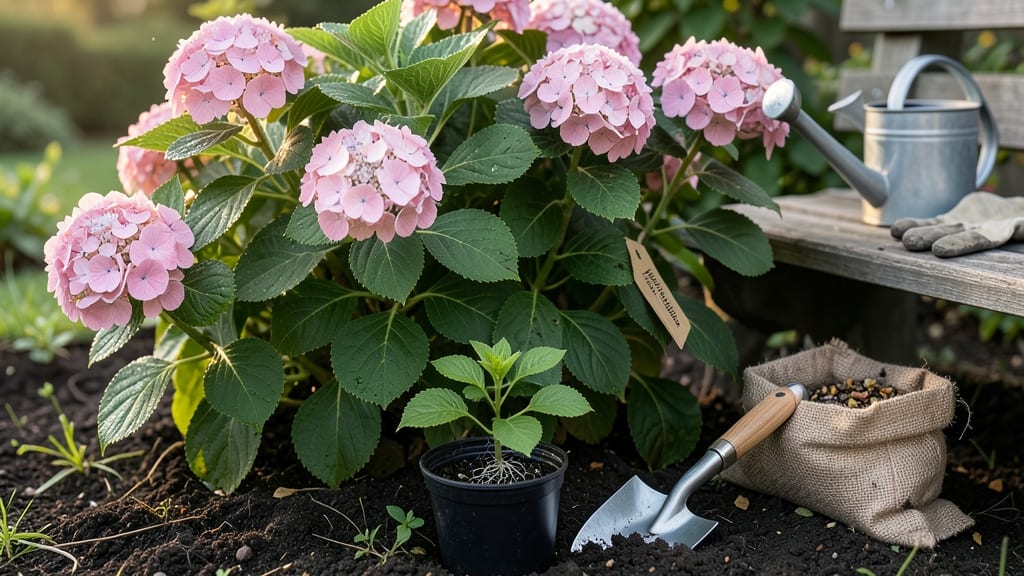
Knowing when can you plant hydrangeas in the ground is the secret to those showstopping blooms you’ve been dreaming of.
Whether you’re in a chilly Zone 6a or a warmer region, timing matters more than you might think—plant too early, and frost will zap your young roots; too late, and your hydrangea 🌸 might struggle to establish before winter.
I’ve planted hydrangeas for years, and the difference between a thriving shrub and a sad, stunted one often comes down to one thing: soil temperature.
Most gardeners swear by the "after last frost" rule, but there’s more to it—like checking if your soil has warmed to at least 60°F and accounting for your local microclimate. Let me break it down so you can plant with confidence, whether you’re in early spring or early fall.
Spring planting is the classic choice, but fall can work too—if you time it right. The key is giving your hydrangea enough time to root before the ground freezes.
I’ll share my go-to strategies for both seasons, plus how to adjust if you’re in a late-frost zone or a warm climate where the window feels endless.
Ready to transform your garden into a hydrangea paradise? By the end of this guide, you’ll know exactly when to dig, how to prep your soil, and what to watch for so your shrub takes off like a rocket. Let’s get those roots growing!
Best planting months for hydrangeas by US hardiness zone
Your USDA Hardiness Zone is the first clue to when you can plant hydrangeas in the ground. Most gardeners aim to plant after the last frost date, but soil temperature matters just as much.
Hydrangea roots need the ground to warm to at least 60°F (15°C)—cold soil can stunt growth or even kill tender roots.
For example, in Zone 6a (like my garden in the Midwest), I plant between mid-April and early May. But if you’re in Zone 9 or 10, where winters are mild, you might plant as early as February or even late fall.
The goal is always the same: give your hydrangea 6-8 weeks of warm soil before winter arrives.
Here’s a quick breakdown of ideal planting windows by zone, including soil temperature cues and frost-free windows to help you plan:
| Zone | Ideal Planting Window | Soil Temp | Notes |
|---|---|---|---|
| Zones 3-5 | Late April to mid-May | 60°F+ | Wait for last frost; mulch heavily in fall. |
| Zones 6-7 | Mid-April to early June | 60°F+ | Spring or early fall (6 weeks before frost). |
| Zones 8-9 | February to March | 55°F+ | Plant early to avoid summer heat stress. |
| Zones 10-11 | November to January | 65°F+ | Fall planting preferred; avoid peak summer. |
🌱 Pro Tip: Use a soil thermometer to confirm warmth before planting.
Spring planting is the gold standard for most zones because it aligns with natural growth cycles. However, fall planting can work in Zones 6-9 if you plant 4-6 weeks before your first frost. The key is ensuring your hydrangea has time to establish roots before winter dormancy.
If you’re in a late-frost zone (like parts of the Midwest or Northeast), don’t rush to plant. Waiting until mid-May might save your hydrangea from a surprise frost. I once planted mine in early April, only to watch a late frost blacken the leaves—lesson learned!
For container-grown hydrangeas, you can plant slightly earlier (as soon as soil is workable) because their roots are already established. Just be prepared to protect them with frost cloth if nights dip below freezing. Containers also let you move plants to a sheltered spot if frost is forecasted.
One mistake I see often is planting hydrangeas too late in summer. If you miss the spring window, hold off until next spring—new plants need time to root before winter. In Zones 8-11, late summer planting is risky because high temperatures can stress young roots.
Remember, hydrangeas thrive on consistent moisture and well-draining soil. If your zone’s planting window coincides with drought conditions, plan to water deeply after planting to help roots establish. A 3-inch layer of mulch will retain moisture and regulate soil temperature.
Now that you know the ideal windows, let’s talk about how to confirm your zone is truly ready—because dates alone aren’t always enough. In the next section, I’ll share the real-world signs that your hydrangea’s new home is perfect.
Signs your zone is ready to plant hydrangeas (beyond dates)
Planting hydrangeas at the right time isn’t just about checking a calendar—it’s about reading your garden’s hidden signals. While last frost dates give a general idea, your soil temperature, local weather patterns, and even your yard’s microclimate can shift that window by weeks.
I’ve learned the hard way that planting too early in cold soil can stunt root growth, while waiting too long might leave your hydrangea struggling to establish before winter.
One of the first signs your zone is ready is when the soil temperature consistently stays above 60°F (15°C) at a depth of 6 inches. This warmth encourages root growth and helps your hydrangea establish quickly.
You can check this with a soil thermometer or by pressing your finger into the soil—if it feels warm and crumbly, it’s ready. Another clue is when local wildflowers and perennials start blooming, signaling that the ecosystem is primed for new plantings.
Here’s where microclimates come into play. A south-facing slope might warm up faster than the rest of your yard, while a low-lying area could stay colder longer. If you’re unsure, observe your garden: Are the dandelions blooming? Are the leaves unfurling on trees?
These are nature’s way of telling you it’s time to plant. Even in Zone 6a, where I garden, I’ve seen hydrangeas thrive when planted in late April—long after the official last frost date—because the soil had warmed enough.
The moon phase can also play a subtle role in planting success. While not a hard rule, many gardeners swear by planting during the waxing moon (when the moon is growing) for root development.
Pair this with a cloudy day to reduce transplant shock, and your hydrangea will have an even better chance of taking off. I’ve noticed my plants seem to establish faster when I follow this timing, especially in partial shade areas where moisture retention is key.
Another critical sign is the humidity and rainfall patterns in your area. If your region is experiencing consistent morning dew and light rains, the soil stays moist longer, which is ideal for hydrangeas.
However, if you’re in a dry spell, plan to water deeply after planting to help the roots settle. I once planted hydrangeas in early May during a drought, and while they survived, they took twice as long to bloom compared to plants in the same zone with regular rainfall.
Don’t overlook the wind patterns in your yard. If your garden is exposed to strong winds, planting too early can dry out the soil and stress young plants. Wait until the wind speeds have calmed slightly, or consider planting in a sheltered spot like near a fence or building.
In my experience, hydrangeas planted in windy conditions often need extra watering and mulching to compensate for the stress.
Finally, trust your instincts. If you’ve gardened in your area for a while, you’ll start noticing yearly patterns that calendars can’t capture. Maybe the neighbor’s roses bloom two weeks earlier than the frost date suggests, or the soil stays cold longer near the creek.
These observations are your secret weapon for planting hydrangeas at the perfect time. When in doubt, err on the side of waiting—your hydrangea will thank you with bigger, brighter blooms next season.
By tuning into these natural cues, you’ll avoid the common pitfalls of planting too early or too late. Whether you’re in a cool climate or a warm one, these signs will help you plant hydrangeas when they’re most likely to thrive.
Next, we’ll explore how to extend your planting season if your zone’s window feels too short or too long.