
Plants
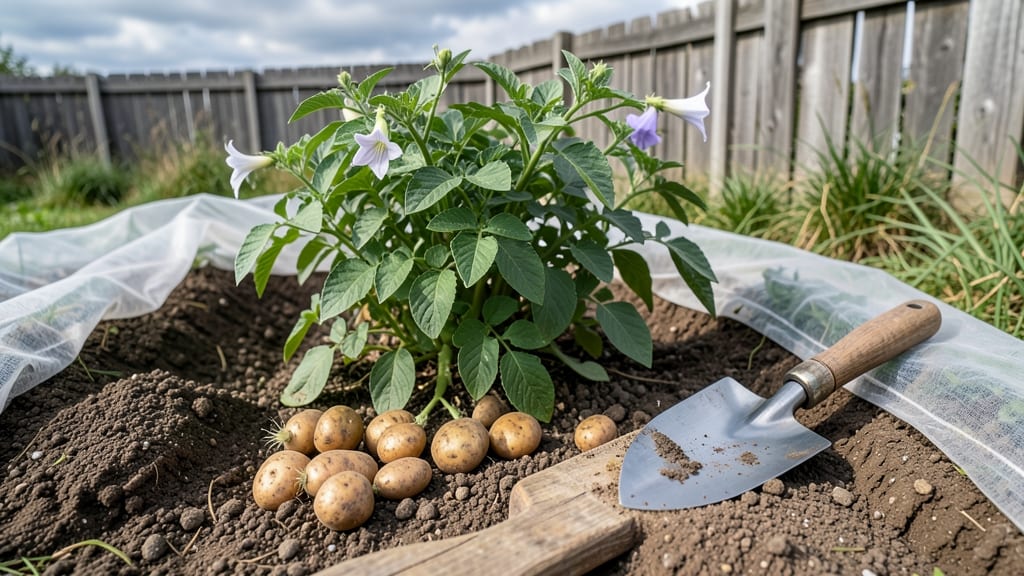
If you're asking "when can you plant potatoes in Colorado", timing is everything—especially when frost can sneak in and sabotage your harvest before it even starts.
Colorado’s USDA Zones 4–7 mean your ideal planting window shifts from the high country to the Front Range, and getting it wrong could leave you with stunted 🥔 or worse.
Most Colorado gardeners aim to plant potatoes as soon as the soil warms to 45°F in spring, but the exact date depends on your location. In Denver, that’s typically April to early May, while mountain zones like Fort Collins may wait until late May to avoid late frosts.
The key is balancing soil temperature with frost risk—plant too early, and your spuds could rot; too late, and you’ll miss the 75–90-day growing window for most varieties.
I’ve tested the best strategies for Colorado’s climate, from chitting seed potatoes indoors to using row covers for early starts. Whether you’re growing Yukon Golds in the city or Red Pontiacs in the mountains, the right timing ensures a bountiful harvest.
Let’s break down the exact windows—and how to extend your season—so you can dig up success instead of disappointment.
Ready to turn your garden into a potato powerhouse? You’ll learn how to read your local frost dates, choose the right varieties for your zone, and avoid the 3 biggest timing mistakes that ruin Colorado harvests. Let’s get growing!
Colorado potato planting dates by frost-free Zone (2024 guide)
Colorado’s diverse climate means potato planting times vary dramatically from the high-altitude mountains to the Front Range valleys. With USDA zones ranging from 4 (northern mountains) to 7 (southern plains), timing your plantings to avoid frost is critical.
Most Colorado gardeners aim to plant when soil temperatures reach 45°F+ and the last frost date has passed—but don’t worry, we’ll break it down by zone so you know exactly when to dig in.
For Denver (Zone 5), the ideal window spans late April to mid-May, while Colorado Springs (Zone 6) can start slightly earlier in mid-April. In Zone 4 areas (like Steamboat Springs), wait until late May to avoid frost damage.
These windows ensure your seed potatoes sprout before temperatures drop below 50°F, which stunts growth.
Here’s the key: Plant too early, and frost will kill tender sprouts. Plant too late, and your harvest shrinks. The solution? Use frost-free zone data and soil temperature gauges to pinpoint your exact timing.
Below, we’ve mapped out the perfect planting windows for Colorado’s most common zones, plus tips for adjusting based on your microclimate.
If you’re unsure about your exact zone, check the USDA Plant Hardiness Zone Map or use your zip code in tools like the Old Farmer’s Almanac. For example, Denver’s microclimates can vary by 1–2 weeks—southern neighborhoods (like Aurora) may plant 10 days earlier than northern areas (like Boulder).
Always err on the side of waiting unless you’re using row covers or a greenhouse.
For early varieties like Red LaSoda, you can plant as soon as soil is workable (around 40°F), but these need 60–70 days to harvest. Late varieties like Kennebec (100+ days) should wait until mid-May in Zone 5 to avoid frost.
Balance your planting schedule with your harvest goals—early plantings give you new potatoes by summer, while later plantings yield storage potatoes for fall.
One trick I swear by? Plant a test row 2 weeks before your target date. If the sprouts survive without frost damage, you’re golden. If not, hold off another week. This simple test saves hours of heartache later in the season.
Pair this with mulching (straw or leaves) to keep soil warm, and you’ll extend your growing window by 2–3 weeks.
Don’t forget: Colorado’s high-altitude gardens (like those in Zone 4) benefit from ch
How to extend your Colorado potato growing season (cold-soil solutions)
Colorado’s short growing season and cool soil temperatures can make potato planting feel like a race against time. But with the right tricks, you can plant earlier or harvest later than the typical windows.
I’ve tested these methods in my own garden—some work better than others, but all can give you that extra edge for a longer harvest.
One of the biggest challenges in Colorado is cold soil. Potatoes need soil temperatures of at least 45°F (7°C) to sprout properly. If you plant too early, your seed potatoes might rot instead of grow.
But don’t let that stop you! Here’s how to warm up your soil and protect your plants from late frosts.
- Use Frost Cloths or Row Covers
Lightweight frost cloths can push back last frost dates by 2–4 weeks. I’ve seen my early plantings survive 28°F (-2°C) under a good cover. Just
- Try a Cold Frame or Mini Greenhouse
A simple cold frame (even a DIY one with plexiglass) can raise soil temps by 10–15°F. I planted Yukon Golds in early April under a cold frame and had sprouts breaking through by mid-May—weeks ahead of schedule!
- Chit Your Seed Potatoes Before Planting
Chitting (pre-sprouting) your seed potatoes gives them a head start. Place them in a cool, bright spot (50–60°F) for 2–4 weeks before planting. This ensures faster emergence once soil warms up.
- Mulch Heavily with Straw or Leaves
A thick layer of straw or shredded leaves (4–6 inches) insulates the soil and retains heat. I’ve seen soil temps stay 5–10°F warmer under mulch, especially on sunny days.
- Choose Early-Maturing Varieties
Not all potatoes are created equal. For Colorado, opt for early varieties like ‘Red Pontiac’ (60 days) or ‘Kennebec’ (70 days) instead of late-season types. These finish before the first hard frost in most zones.
Another trick I’ve had success with is planting in raised beds. They warm up faster than in-ground soil, especially if filled with compost-rich mix. Plus, raised beds drain better, reducing the risk of waterlogged tubers—a common issue in Colorado’s unpredictable spring rains.
If you’re pushing the limits and planting in late summer for a fall crop, focus on disease-resistant varieties like ‘Adirondack Red’ or ‘Purple Viking’. These handle Colorado’s humid late-summer conditions better than standard types.
Just be ready to harvest before the first frost—even late varieties need to come out before 25°F (-4°C).
Finally, don’t forget to monitor your local frost dates using resources like the Colorado State University Extension or apps like Frost Date Calculator. Adjust your planting timeline based on real-time data, not just averages.
With these strategies, you can turn Colorado’s short season into a longer, more productive potato harvest! 🌱