
Plants
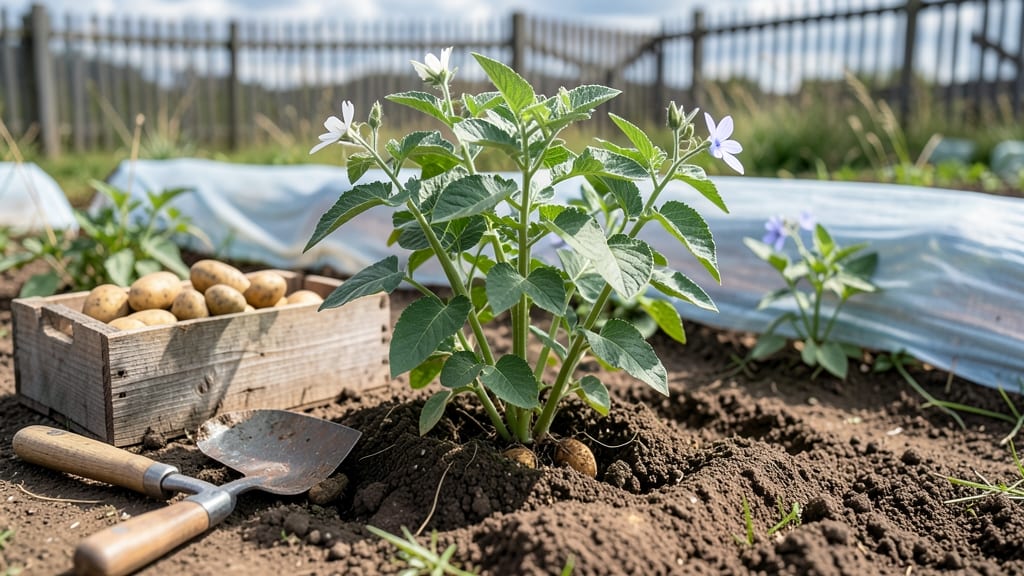
If you’ve ever wondered when can you plant potatoes in NC, timing is the secret to avoiding frost damage and maximizing your harvest—because those crisp, golden 🥔 you dream of won’t magically appear if you plant at the wrong moment.
North Carolina’s diverse climate means your neighbors in the Piedmont might be digging in February while coastal gardeners wait until April. The difference? Soil temperature, frost risk, and the type of potato you’re growing.
Get it wrong, and you’ll either lose your crop to late frosts or miss the sweet spot for a summer harvest.
I’ll break down the exact planting windows for your region, how to test soil readiness, and which varieties thrive in NC’s short vs. long growing seasons. No more guessing—just a foolproof plan to turn your garden into a potato powerhouse.
Ready to skip the trial-and-error? Let’s dive into the soil temp secrets and frost-free strategies that’ll have you reaping tubers like a pro by summer.
North Carolina potato planting dates by region: frost-free window breakdown
North Carolina’s diverse climate—from the Coastal Plain to the Mountains—means potato planting dates vary wildly. In Zone 8b (e.g., Wilmington), you can start as early as January 15, while Zone 6a (e.g., Asheville) waits until March 15.
These differences stem from last-frost dates and soil warming speeds, which directly impact your harvest timing.
For most NC gardeners, the ideal window spans February through April, with early varieties like ‘Yukon Gold’ planted first and late varieties like ‘Russet’ going in later.
Missing this window risks frost damage or blight from prolonged humidity. Let’s break it down by region to ensure you plant at the perfect moment.
| Region | USDA Zone | Last Frost Date | Early Planting Window | Late Planting Window | Harvest Window |
|---|---|---|---|---|---|
| Coastal Plain | 8a-8b | Jan 15 - Feb 15 | Jan 20 - Feb 28 | Mar 1 - Apr 15 | May 1 - Jul 15 |
| Piedmont | 7a-7b | Feb 15 - Mar 1 | Feb 20 - Mar 15 | Mar 15 - Apr 1 | Jun 1 - Aug 1 |
| Mountains | 6a-6b | Mar 15 - Apr 1 | Mar 20 - Apr 15 | Apr 1 - Apr 30 | Jul 1 - Sep 15 |
Note: Adjust dates 1-2 weeks earlier for sandy soils (warms faster) or later for clay soils (retains cold).
In the Coastal Plain, where winters are milder, you can even squeeze in a fall planting (August-September) for a late harvest. However, this requires heat-tolerant varieties like ‘Sweetheart’ or ‘Red LaSoda’ to avoid early blight.
Mountain regions, with their shorter growing seasons, demand early-maturing varieties (60-90 days) to beat the first frost.
Pro tip: Use the NC State Extension’s Frost/Freeze Probability Tool to pinpoint your exact last-frost date. This tool accounts for microclimates like valleys or slopes, where frost lingers longer. For example, a valley garden in the Piedmont might frost a week later than a hilltop just miles away.
If you’re unsure about your local frost dates, start with early-maturing varieties (e.g., ‘Early Girl’ or ‘Kennebec’) planted in late February or early March. These give you a safety net if frost strikes unexpectedly.
For late-season planting, stick to mid-April in most zones to avoid wireworm damage, which thrives in cold, wet soil.
One common mistake? Planting too early in Zone 6a and watching your potatoes rot in cold soil. The ideal soil temperature for planting is 45–50°F, which most NC regions hit by mid-March.
Use a soil thermometer ($10 at garden centers) to check—if it’s below 45°F, wait or use black plastic mulch to warm the soil faster.
For container growing, adjust your timeline by 2 weeks earlier since pots warm up faster. Place containers in a south-facing spot and use dark-colored fabric pots to absorb heat. Just remember: containers dry out faster, so water consistently to prevent stress.
🌱 Whether you’re in the Coastal Plain, Piedmont, or Mountains, aligning your planting with your region’s frost-free window is the key to a bountiful potato harvest. Next, we’ll dive into how to test and optimize soil temperature for faster sprouting
Perfect soil temperature for planting potatoes in NC: how to test and optimize
Potatoes thrive when planted in soil temperatures between 45–50°F. In North Carolina, this means waiting for the ground to warm after the last frost—typically late February to early April in most zones. Cold soil delays sprouting, leaving your potatoes vulnerable to rot or frost damage.
I’ve learned the hard way that rushing into planting too early can turn your seed potatoes into mush instead of a harvest.
To check soil temperature, use a soil thermometer (just $10 at garden centers) or bury a glass thermometer 4 inches deep for 24 hours. Aim for consistency over a few days—morning readings are best since soil cools overnight.
If your thermometer shows below 45°F, your potatoes won’t sprout properly, and you’ll waste precious growing time.
⚠️ WARNING: Cold Soil = Failed Harvest
Planting potatoes in soil below 45°F causes:
- Slow or no sprouting (seed potatoes rot in the ground)
- Higher risk of disease (like scab or blight)
- Delayed harvest (miss peak maturity window)
Pro Tip: Use black plastic mulch or straw covers to warm soil by 5–10°F faster!
If your soil is still too cold, don’t panic—there are proven ways to speed up warming. Lay down black plastic mulch 2–3 weeks before planting to absorb sunlight and raise temperatures.
Alternatively, cover rows with straw or leaves to trap heat. I’ve seen soil warm 10°F in just 10 days using this trick, especially in Zone 6a or cooler areas like the Mountains.
Another common mistake? Planting too deep when soil is cold. Stick to 4 inches deep—any deeper slows sprouting further. Use a moisture meter to ensure the soil stays damp but not soggy; potatoes need consistent moisture to grow tubers, but waterlogged soil invites rot.
Aim for 1 inch of water per week, delivered in the morning to prevent fungal issues.
For late-season planting (June–July for fall harvests), soil temperatures often climb above ideal ranges. In this case, focus on shade cloth or drip irrigation to keep roots cool.
I’ve grown Yukon Golds successfully in August by planting under 30% shade cloth—just be sure to remove it as tubers form to prevent greening (which makes potatoes toxic).
Finally, remember that NC’s microclimates matter. Coastal areas (like Wilmington) may hit ideal soil temps by early March, while the Piedmont (Raleigh) waits until mid-April. The Mountains (Asheville) often need to wait until late April or May.
Check your local USDA zone and track weekly soil temps—your garden’s success depends on it! 🌱