
Plants
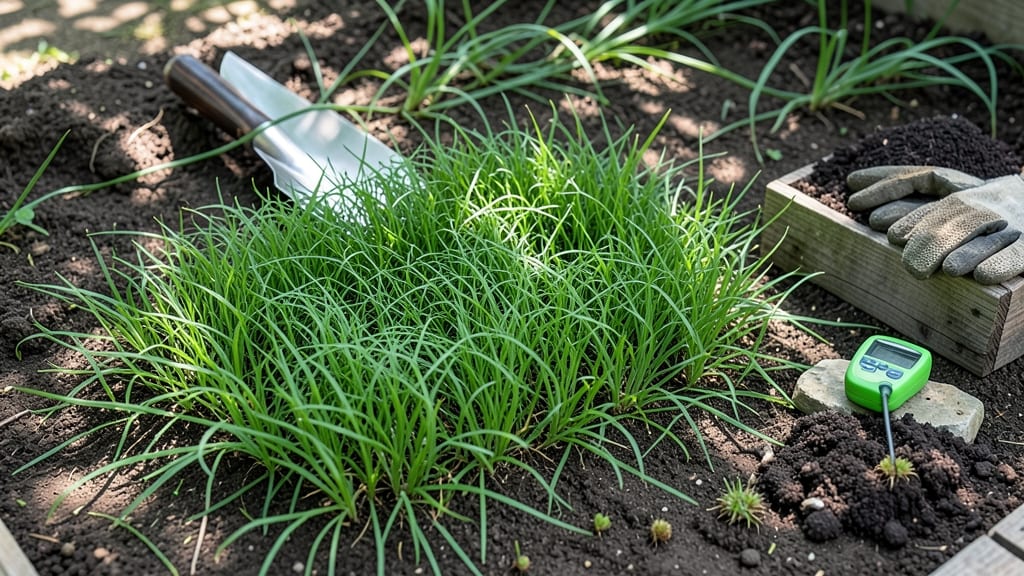
Planting Bermuda grass seed in North Carolina at the wrong time can leave you staring at a patchy lawn for months—especially when the ideal window slips by.
This heat-loving grass thrives when soil temperatures hit 65°F+, but rushing too early risks frost damage, while waiting too long means slower establishment before summer’s brutal heat.
For most of NC’s 7a-8b zones, the sweet spot is late April through early June, but coastal areas and Piedmont regions can vary by 2-3 weeks.
The key isn’t just avoiding frost—it’s syncing with your local microclimate to ensure the seed germinates fast enough to outpace weeds and drought.
I’ll walk you through exactly how to check soil warmth, adjust for your specific corner of the state, and even compare spring vs. summer planting trade-offs. No guesswork—just actionable steps to get that 🌱 Bermuda grass growing strong before the first heatwave hits.
Ready to skip the trial-and-error? Let’s lock in your planting date so you’re not left playing catch-up when summer arrives.
NC’s frost-free window for Bermuda grass seed planting: exact dates & climate zones
North Carolina’s USDA Zones 7a-8b create a 200-240 day frost-free period, but Bermuda grass seed needs a 30-60 day window with consistent warmth to germinate properly. Planting too early risks frost damage, while waiting too long can stunt growth before summer heat sets in.
The ideal planting window spans from late April to early June, aligning with the last average frost date (March 15) and ensuring soil warmth. Coastal areas like Wilmington (Zone 8a) can plant 2-3 weeks earlier than Piedmont regions like Raleigh (Zone 7b).
Here’s how to pinpoint your exact window using local frost data and microclimate factors:
For early spring planting (March-April), cover seeds with frost blankets if nighttime temps dip below 50°F. However, this approach is riskier than waiting for stable warmth, as cold soil slows germination by 50%.
If you miss the spring window, late summer (July-August) is your second chance—but seeds must be planted 6-8 weeks before first frost (typically November 15) to establish roots before dormancy. Coastal areas can extend this to early September.
Pro tip: Use the National Weather Service’s frost calendar for your county to refine dates. For example, Charlotte (Zone 7b) averages its last frost on March 22, while Asheville (Zone 7a) waits until April 5.
Bermuda grass thrives in full sun (6+ hours daily), but shade from trees or buildings can delay germination by 10-14 days. Test your yard’s sunlight by placing a garden stake in potential spots—if it casts shorter shadows at noon, it’s sun-friendly.
Once you’ve locked in your window, soil temperature becomes the final checkpoint. Seeds won’t sprout until the soil hits 65°F—we’ll cover how to test this in the next section.
Soil temperature triggers: how to test warmth before planting Bermuda grass seed
Bermuda grass seed won’t germinate until the soil reaches a consistent 65°F or warmer. In North Carolina, this typically happens between late April and early June, but exact timing varies by region.
Cool soil temperatures slow germination, leading to patchy growth or even failure. Testing your soil’s warmth is the #1 factor for success—more critical than frost dates alone.
Use a soil thermometer (available for $10–$20) to check depth at 2–4 inches—where seeds will be planted. Morning readings between 9 AM and 11 AM are most accurate because soil warms gradually.
If your thermometer reads below 65°F, wait at least 5–7 days before planting to avoid stunted growth.
North Carolina’s coastal regions (like Wilmington) often hit 65°F soil temps by mid-April, while inland areas (e.g., Raleigh or Asheville) may not reach this until late May.
Microclimates near lakes or urban heat islands can also shift timing by 1–2 weeks. For example, a south-facing slope warms faster than a shaded yard.
If you don’t have a thermometer, use the "hand test": Stick your hand 2 inches deep into the soil. If it feels warm but not hot (like a lukewarm bath), it’s likely ready.
If it’s cool or cold, wait longer. This method works but is less precise than a thermometer.
Once soil temps hit 75°F+, germination speeds up dramatically—seeds may sprout in just 7–14 days. However, planting in extreme heat (above 85°F) can dry out seeds before they sprout. Aim for 65°F–75°F for the best balance of speed and success.
Pro tip: Pre-warm your soil by covering bare patches with black plastic sheeting for 1–2 weeks before planting. This raises temperatures faster than waiting for natural warming, especially in cooler Piedmont areas. Just remove the plastic right before seeding to avoid overheating.