
Plants
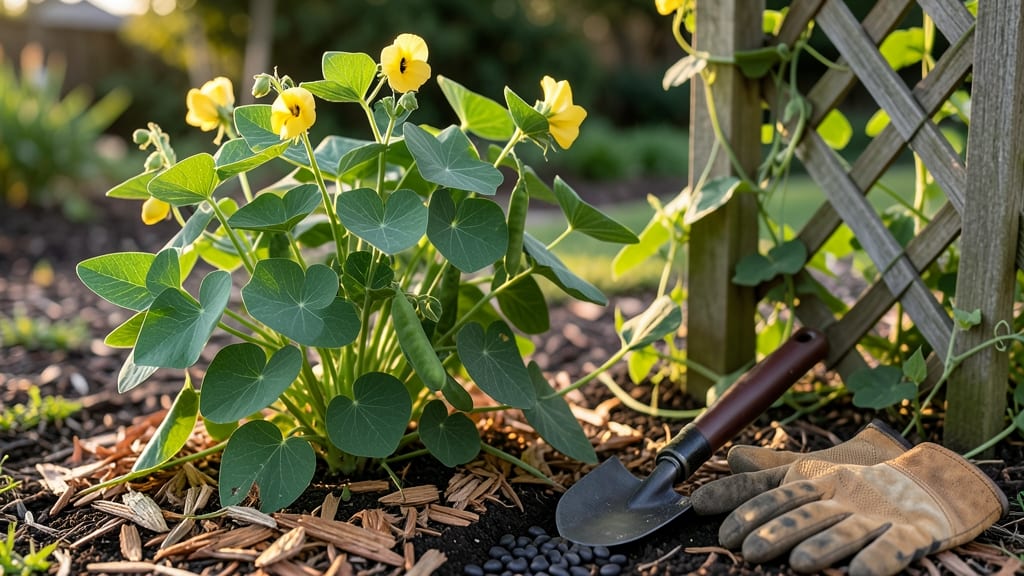
Planting black-eyed peas in Texas at the wrong time can mean the difference between a bumper crop and wasted effort. These heat-loving legumes 🌱 need precise timing to thrive in Texas' diverse climate zones, where frost-free dates shift dramatically from North to South.
Most gardeners in USDA zones 8a-10b get it wrong by planting too early, only to watch their plants struggle through late frosts. The key is waiting until soil temperatures hit 60°F—typically late February through early March for spring plantings or August-September for fall harvests.
Why does timing matter so much? Black-eyed peas are warm-season crops that bolt quickly in cooler weather, and Texas' alkaline soils need perfect conditions to support their growth. I'll break down exactly when to plant in your specific region to maximize your yield.
Whether you're growing for fresh pods or dried peas, getting the timing right means fewer pests, better flavor, and plants that actually produce. Let's dive into the perfect planting schedule for your Texas garden.
Texas heat zone planting calendar for black-eyed peas: exact dates by region
Texas’ 11 heat zones create dramatic differences in frost-free dates, making timing critical for black-eyed peas.
In North Texas (Zones 8a-8b), like Dallas and Fort Worth, the last frost typically arrives by mid-February, while South Texas (Zones 9a-10b), including Houston and Corpus Christi, enjoys frost-free conditions year-round.
Central Texas (Austin, San Antonio) falls in between, with late January to early February as the safe window.
Black-eyed peas are cool-season crops that thrive in 60-85°F soil temperatures. Planting too early in North Texas risks frost damage, while waiting too long in South Texas can trigger heat stress and bolting.
The key is aligning your planting with local frost dates and soil warmth—not just calendar months.
For spring plantings, aim for 2-3 weeks after your last frost date.
In North Texas, this means late February to early March, while Central Texas can start as early as mid-January. Fall plantings work best in August-September statewide, allowing pods to mature before first frost in North Texas (December) or before cooling temperatures in South Texas (November).
Here’s a region-specific breakdown of ideal planting windows to maximize yields and avoid common pitfalls like frost damage or heat-induced bolting:
| Region | Heat Zone | Last Frost Date | Spring Planting Window | Fall Planting Window | Key Tip |
|---|---|---|---|---|---|
| North Texas (Dallas, Fort Worth) | 8a-8b | Feb 15 | Late Feb - Early Mar | Aug 15 - Sep 15 | Use row covers for early plantings |
| Central Texas (Austin, San Antonio) | 8b-9a | Jan 20 - Feb 5 | Mid-Jan - Early Feb | Aug 1 - Sep 10 | Mulch to retain soil moisture |
| South Texas (Houston, Corpus Christi) | 9a-10b | None (year-round) | Year-round (best: Feb-Mar) | Aug - Sep (avoid Oct heat) | Use shade cloth for summer plantings |
| West Texas (Lubbock, Midland) | 8a-7b | Feb 28 | Early Mar - Mid-Apr | Late Aug - Early Sep | Irrigate deeply post-planting |
In North Texas, where frosts linger until mid-February, I recommend starting seeds indoors in January for a head start. Transplant seedlings outdoors 2 weeks before your last frost date, using black plastic mulch to warm the soil faster.
For Central Texas, direct-sow seeds in late January for spring harvests, or August for fall crops—just be sure to water deeply to prevent bolting.
South Texas gardeners have the most flexibility due to mild winters. You can plant year-round, but focus on February-March for spring and August-September for fall. If planting in summer, use shade cloth (30-50%) to protect seedlings from intense sun and heat stress.
In West Texas, where drought is a concern, prioritize deep watering and drought-tolerant varieties like ‘Red Ripper’ or ‘Purple Hull’.
For continuous harvests, stagger plantings every 2-3 weeks in spring and fall. This ensures a steady supply of fresh pods from May-June (spring) or October-November (fall).
In South Texas, you can even enjoy winter harvests by planting in November for a cool-season crop that matures before summer heat arrives.
Pro tip: Check your local AgriLife Extension office for hyper-local frost data, as microclimates can shift planting windows by 1-2 weeks.
For example, hill country regions near Austin may frost 2 weeks later than downtown, while urban heat islands in Houston can push frost dates 10 days earlier than rural areas.
Remember, soil temperature matters more than air temperature. Use a soil thermometer to confirm 60
How to extend black-eyed pea season in Texas: avoiding heat stress and bolting
Texas summers can be brutal for black-eyed peas—temperatures above 90°F cause them to bolt prematurely, reducing yields. But with the right strategies, you can grow them successfully even in hotter months.
The key is managing soil temperature, providing shade, and choosing heat-tolerant varieties. I’ve grown black-eyed peas in San Antonio’s heat for years, and these methods work like magic.
First, focus on soil temperature control. Black-eyed peas thrive when soil stays between 60°F and 85°F. In Texas’ summer heat, soil can easily exceed 100°F, shocking roots. Use organic mulch like straw or wood chips to insulate the soil and retain moisture.
A 3-inch layer can make a 20°F difference in soil temperature. I’ve seen this trick extend the growing season by 4-6 weeks in my garden.
🌱 Visual Tip: Apply mulch right after planting to keep roots cool and moist. Avoid synthetic mulches—they can overheat the soil.
🌡️ 5 Key Strategies to Extend Black-Eyed Pea Season
- Use shade cloth (30-50%) during peak afternoon sun (12 PM–4 PM) to reduce heat stress. This is a game-changer in South Texas.
- Plant in partial shade near taller plants like corn or sunflowers. My Purple Hull peas thrive under 6 hours of morning sun and afternoon shade.
- Water deeply in the morning (1-1.5 inches) to cool the soil. Avoid evening watering—it invites fungal diseases like powdery mildew.
- Choose heat-tolerant varieties like ‘Crowder’ or ‘Red Ripper.’ These handle 95°F+ temps better than standard types.
- Successive planting every 2 weeks in fall (August–September) ensures a staggered harvest before frost.
For summer planting, start seeds indoors or use container gardening with self-watering pots. Containers heat up faster, but they let you move plants to shadier spots when needed.
I’ve had success with 5-gallon buckets filled with 50% compost and 50% coconut coir—this mix retains moisture and drains well.
Another pro tip: Soak seeds overnight before planting to jumpstart germination. Texas’ dry air can delay sprouting, but pre-soaked seeds germinate in 3-5 days instead of 7-10. Just place them in a jar of warm water for 12 hours, then plant at ½-inch depth in well-draining soil.
💧 Warning: Never let black-eyed peas wilt—even briefly. They’re sensitive to drought stress, which triggers bolting. Use drip irrigation or soaker hoses to deliver water directly to roots.
Finally, monitor for pests like aphids or spider mites, which thrive in hot, dry conditions. A neem oil spray (1 tsp per quart of water) keeps them at bay without harming your plants. With these adjustments, you can enjoy homegrown black-eyed peas year-round in Texas—even in the hottest months!