
Plants
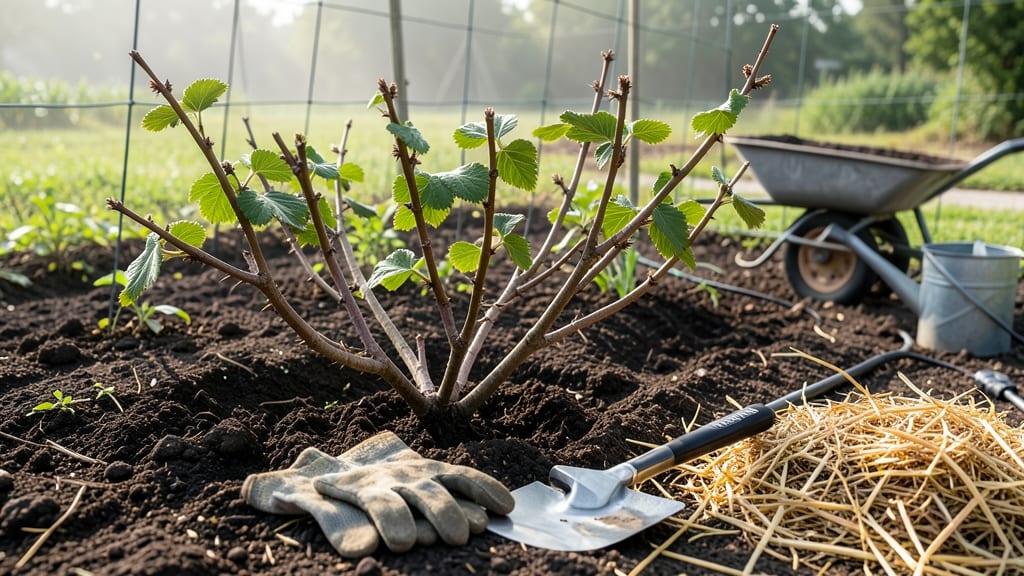
If you’ve ever dreamed of plucking juicy 🫐 blackberries straight from your Virginia garden, timing your planting is the game-changer between a thriving bush and a sad, stunted shrub.
Virginia’s USDA Zones 6a-8a offer two prime windows—late winter to early spring or fall—but getting it wrong means weaker roots, fewer berries, and a lot of wasted effort.
Let’s cut to the chase: Planting too early exposes delicate roots to late frosts, while waiting too late risks stunted growth before winter sets in. The key is understanding Virginia’s microclimates—whether you’re in the Piedmont, Coastal Plain, or Mountains—and how they shift the ideal planting schedule.
I’ll walk you through the exact months to plant, plus soil prep tips to ensure your blackberries take off like a rocket.
You’ll also discover how to adjust for container gardening, when to fertilize for maximum root growth, and why September or October might be the better bet than spring for your zone.
Spoiler: It’s not just about the calendar—it’s about giving your blackberries the head start they need to survive Virginia’s unpredictable weather.
Ready to grow blackberries that burst with flavor? Let’s dive into the step-by-step timing, soil secrets, and care tricks that’ll turn your Virginia garden into a berry bonanza—without the guesswork.
Best planting windows for Virginia blackberries (zone 7A/7B)
Virginia’s Zone 7A/7B climate offers two prime windows for planting blackberries: early spring (after last frost) and fall (4-6 weeks before first frost). Both seasons give blackberry canes time to establish roots before extreme temperatures.
For most of Virginia, this means February through April for spring or September through October for fall.
Spring planting (after March 15) lets you take advantage of Virginia’s warming soil, but fall planting (before November 15) often yields stronger root systems because cooler temps reduce stress.
In the Coastal Plain, where springs are milder, you can plant as early as February 1, while the Mountains may delay until April 15 to avoid late frosts.
Soil temperature is your best guide—wait until the ground reaches 50°F (10°C) at least 6 inches deep. In Virginia, this typically happens by mid-March in the Piedmont and late March in the Shenandoah Valley. Use a soil thermometer to confirm before planting bare-root canes.
Blackberries thrive in Virginia’s humidity, but they despise soggy soil. The Piedmont region (Richmond, Charlottesville) drains well, while the Coastal Plain (Norfolk, Hampton) may need raised beds. Always choose a site with full sun exposure (6+ hours daily) and protection from strong winds, which can damage delicate canes.
For container gardening, Virginia gardeners can plant blackberries anytime the soil is workable, but fall is ideal. Containers warm up faster in spring, so start them indoors in late winter and transplant after last frost. Just ensure pots have drainage holes—blackberries hate wet feet!
📅 Virginia Blackberry Planting Comparison
| Season | Best Months | Soil Temp | Root Establishment | Virginia-Specific Notes |
|---|---|---|---|---|
| Spring | February–April | 50°F+ (10°C) | Moderate (warmer soil speeds growth) | Plant after March 15 in Piedmont; wait until April 15 in Mountains to avoid late frosts. |
| Fall | September–October | 55°F+ (13°C) | Strong (cooler temps reduce stress) | Ideal for Zone 7A; plant by October 15 to establish roots before winter. |
| Containers | Year-round (indoors) | Room temp | Flexible (transplant after frost) | Use 10-gallon+ pots for mature plants; move outdoors after May 1. |
If you’re planting thornless varieties (like 'Cheyenne' or 'Natchez'), spring is your best bet—they’re easier to handle when young. For traditional thorny types (e.g., 'Triple Crown'), fall planting often produces heartier canes ready for Virginia’s humid summers.
Pro tip: Virginia’s humid summers can stress newly planted blackberries, so always mulch with 3–4 inches of pine straw or wood chips to retain moisture and regulate soil temperature. This is especially critical in the Coastal Plain, where summer heat spikes can dry out soil quickly.
For bare-root plants, soak the roots in water for 1–2 hours before planting to revive dormant canes. In Virginia’s clay-heavy soils, amend planting holes with compost or peat moss to improve drainage. This step is non-negotiable in Zone 7B, where poor drainage leads to root rot.
Finally, mark your calendar for Virginia’s average first frost dates: November 15 in Zone 7A and November 30 in Zone 7B. If you’re planting in fall, aim to finish by October 1 to give roots time to anchor before winter.
In the Shenandoah Valley, where frosts come earlier, push planting to September.
Timing your blackberry planting right ensures stronger canes, bigger yields, and fewer pests—because healthy plants naturally resist Virginia’s spider mites and Japanese beetles. With the right window, your bushes will reward you with juicy berries by late June
How to prepare blackberry planting sites in Virginia for maximum root growth
Virginia’s clay-heavy soils and humid summers demand extra prep work to give blackberry roots the best start.
Before planting, focus on drainage, pH adjustment, and organic matter—three factors that make or break root development in Zone 7A/7B. Skipping these steps often leads to root rot or nutrient deficiencies, even with healthy canes.
Start by testing your soil’s pH level—blackberries thrive in slightly acidic soil (5.5–6.5). Virginia’s native soils often test higher (6.5–7.5), so amend with sulfur or peat moss if needed. Use a soil test kit from the Virginia Cooperative Extension for precise results.
🌱 Step-by-Step Site Prep for Blackberries
- Test soil pH (aim for 5.5–6.5; amend with sulfur if too alkaline).
- Loosen soil 12–18 inches deep to improve drainage (blackberries hate soggy roots!).
- Mix in compost (3–4 inches) or well-rotted manure for organic matter.
- Rake flat and create a slight mound (6–8 inches high) for better drainage.
- Install trellis supports (T-posts or wire) before planting for cane training.
Next, improve drainage by amending the soil with coarse sand or perlite, especially in low-lying areas where water pools. Blackberries are drought-tolerant once established, but their roots need well-aerated soil to prevent disease. Avoid compacted clay by adding pine bark fines or coconut coir for structure.
For companion planting, pair blackberries with comfrey or clover to fix nitrogen in the soil. Avoid planting near walnut trees (juglone toxicity) or raspberries (shared pests). In Virginia’s humid climate, mulch heavily with straw or wood chips (3–4 inches) to retain moisture and suppress weeds.
Finally, water deeply the day after planting (1–1.5 gallons per plant) to settle roots. Schedule morning watering to reduce fungal risks from prolonged leaf wetness—a common issue in Virginia’s summer humidity. Adjust your irrigation schedule based on rainfall, aiming for 1 inch per week during dry spells.
With these prep steps, your blackberry canes will establish strong root systems by next spring, setting the stage for a bountiful harvest. The key? Well-draining, nutrient-rich soil and consistent moisture—Virginia’s climate rewards careful prep with vigorous growth and sweet berries.