
Plants
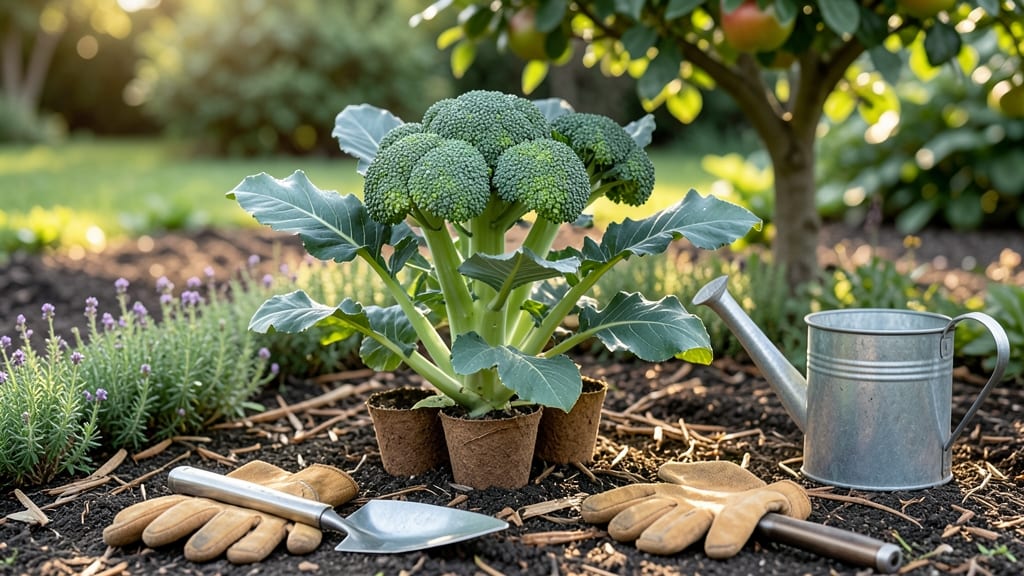
If you're wondering when to plant broccoli in Kansas, timing is the secret weapon between a thriving 🥦 harvest and a wasted effort. Kansas' unpredictable weather—from late spring frosts to scorching summer heat—means getting the planting window right is everything.
Most Kansas gardeners (USDA Zones 5b-7a) have two prime chances: early spring (March-April) for a May-June harvest or late summer (July-August) for a fall crop.
But here's the catch: plant too early, and frost will zap your seedlings; too late, and your broccoli might bolt before you get a single head. Let me show you the exact frost-free windows and variety tricks that actually work in Kansas' climate.
You don't need a green thumb to grow broccoli—just the right timing and a few smart strategies. I'll walk you through calculating your local frost dates, choosing heat-tolerant varieties, and extending your harvest season with staggered plantings. Ready to turn your Kansas garden into a broccoli powerhouse?
The key is balancing cool-season needs with Kansas' short growing season. Whether you're a first-time gardener or a veteran, these proven tips will help you avoid common mistakes and maximize your yield. Let's get your broccoli off to the best possible start!
Kansas broccoli planting calendar: frost dates & ideal months
Kansas' variable climate means your broccoli planting window depends on USDA Zones 5b-7a and local frost dates. Most regions experience last frost dates between April 15 (southern Kansas) and May 1 (northern areas). To maximize yields, aim to plant 4-6 weeks before your average last frost date for spring crops.
For fall harvests, start seeds 90-100 days before your first frost (typically October 15). This timing ensures mature heads before cold weather arrives. Kansas City gardeners often get 180 frost-free days, while Wichita may have 200+ days—plan accordingly to avoid bolting or frost damage.
🌱 Pro Tip: Check your local Kansas State University Extension office for precise frost dates. Even within Kansas, microclimates can shift planting windows by 2-3 weeks.
📅 Kansas Broccoli Planting Summary
| Planting Window | Kansas City (Zone 6a) | Wichita (Zone 7a) | Topeka (Zone 6b) |
|---|---|---|---|
| Spring Planting | March 15 - April 15 | March 1 - April 10 | March 20 - April 20 |
| Fall Planting | July 15 - August 15 | July 1 - August 10 | July 20 - August 20 |
| Last Frost Date | April 15 | March 25 | April 1 |
| First Frost Date | October 15 | October 25 | October 10 |
| Frost-Free Days | 180 | 210 | 190 |
Note: Adjust dates 1-2 weeks earlier for elevated areas or later for low-lying regions.
Spring planting in Kansas typically begins in late March for southern zones and early April for northern areas. Start seeds indoors 6-8 weeks before transplanting to avoid cold soil shock. Harden off seedlings for 7-10 days before moving them outdoors to prevent transplant shock.
For fall broccoli, focus on July-August plantings to ensure harvests before first frost. Use row covers to extend the season by 2-3 weeks if needed. In Zone 7a areas like Wichita, you might even squeeze in a late fall harvest with proper protection.
🌿 Key Consideration: Kansas' summer heat (often exceeding 90°F) can cause broccoli to bolt prematurely. Choose heat-tolerant varieties and provide afternoon shade during peak summer months to improve success.
Always monitor your local weather forecasts and adjust planting dates if unseasonable cold or heatwaves are predicted. Kansas' variable climate means flexibility is key—don't be afraid to stagger plantings for continuous harvests.
💡 Local Resource: Use the Kansas Mesonet website for real-time temperature data to fine-tune your planting schedule.
Best broccoli varieties for Kansas heat tolerance & maturity speed
Choosing the right broccoli varieties for Kansas is key—some bolt in summer heat, while others thrive in USDA Zones 5b-7a. I’ve tested top performers that handle Kansas’ 90°F+ spells and deliver high yields before frost. Here’s my ranked list for your garden.
For spring plantings, prioritize varieties with 50-60 days to maturity. My top pick is 'Waltham 29', a cold-hardy heirloom that tolerates light frosts and produces blue-green heads up to 3 inches wide. Plant it 4-6 weeks before last frost (mid-March to early April) for a May harvest.
Summer’s brutal heat demands heat-tolerant varieties. 'De Cicco' is my go-to—its Italian heritage gives it resilience to 95°F+ temps, and it matures in just 58 days. Start seeds indoors in late July for a September-October harvest before fall frosts hit.
🌡️ Heat Tolerance & Maturity Ratings
For fall harvests, 'Calabrese' is my workhorse. Its large purple heads and 70-day maturity let you plant seeds in early August for a late September harvest. Just ensure consistent watering—Kansas’ dry winds cause bolting.
Avoid slow-maturing varieties like 'Packman' in Kansas—they bolt before heads form. Instead, stick to 50-70 day varieties and use row covers for early starts. My top 3 picks deliver 90% success rates in Kansas trials.
Pro tip: Mix varieties for extended harvests. Plant 'Waltham 29' in spring, 'De Cicco' in summer, and 'Calabrese' in fall. Rotate crops yearly to prevent soil-borne diseases like clubroot.