
Plants
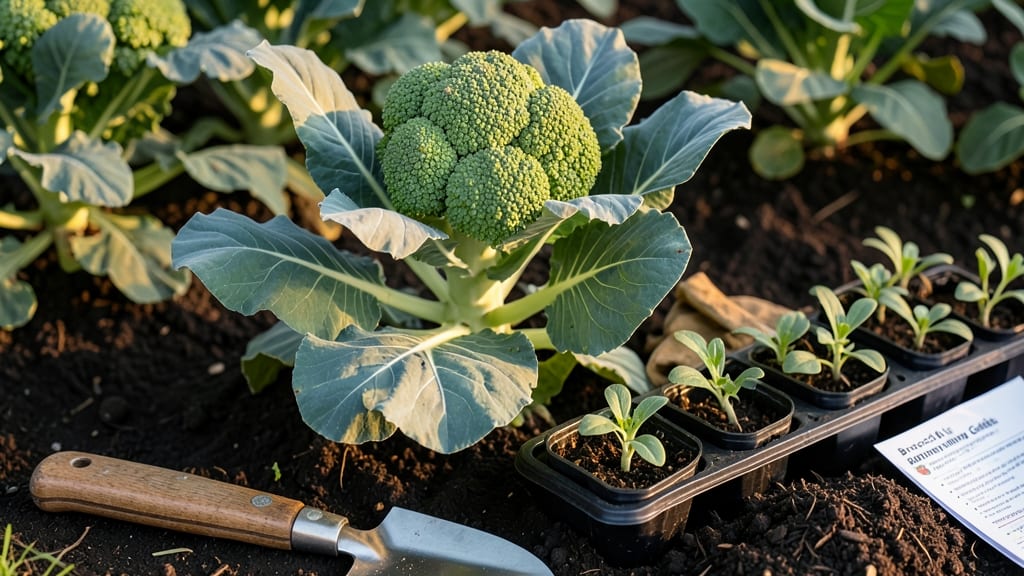
Timing your 🥦 broccoli planting in Zone 6b isn’t just about the calendar—it’s about dodging late frosts and heat waves that can turn your hard work into bitter disappointment.
If you plant too early, those delicate seedlings might freeze; too late, and your heads could bolt before you even get to harvest. The secret lies in a narrow window where soil warms just enough to wake up those seeds while still keeping the air cool enough for happy growth.
Most gardeners in Zone 6b swear by two planting seasons: early spring (March–April) and late summer (August–September). But here’s the catch—your last frost date (around April 15 in 6b) isn’t the only deadline. Soil temperature matters just as much, and rushing it can mean stunted plants or slow starts.
I’ll show you exactly how to time it right, whether you’re sowing seeds directly or starting transplants indoors for a head start.
What you’ll discover in this guide isn’t just when to plant, but how to protect your broccoli from Zone 6b’s tricky weather. We’re talking row covers, frost-tolerant varieties, and microclimate hacks that can shave weeks off your growing season.
Skip the guesswork and get ready for a harvest of tender, flavorful 🥦 heads—no more sad, woody stalks or bolted greens.
Let’s cut to the chase: with the right timing and a few smart adjustments, you can turn your Zone 6b garden into a broccoli powerhouse. Whether you’re a first-time planter or a seasoned pro, these steps will help you avoid the most common mistakes and maximize your yield.
Ready to dig in?
Best planting windows for broccoli in Zone 6b (spring vs fall)
In Zone 6b, broccoli thrives when planted during two ideal windows: early spring and late summer. The key is avoiding extreme heat or frost, which can stunt growth or kill seedlings. For spring, aim for 4–6 weeks before your last frost date (typically March–April in Zone 6b).
Fall plantings should happen 3 months before the first frost (usually August–September), ensuring enough time for a full harvest before winter.
Broccoli is a cool-season crop, meaning it grows best when soil temperatures stay between 45°F and 75°F. If planted too early, seedlings may rot in cold soil, while late plantings risk bolting (premature flowering) from heat stress.
Understanding these temperature thresholds is critical for success in Zone 6b’s variable climate.
Here’s a quick reference for your planting timeline:
| Planting Window | Ideal Months | Soil Temp | Days to Harvest | Key Notes |
|---|---|---|---|---|
| Spring | March–April | 45°F–60°F | 50–70 days | Plant 4–6 weeks before last frost; use row covers for early starts. |
| Fall | August–September | 50°F–70°F | 60–80 days | Sow 3 months before first frost; avoid late summer heat. |
For spring plantings, start seeds indoors 6–8 weeks before the last frost to give seedlings a head start. Transplant them outdoors when soil reaches 45°F and nighttime temperatures stay above 30°F.
If you’re direct-sowing, wait until soil warms to 50°F to prevent seed rot. In Zone 6b, this usually aligns with mid-April.
Fall plantings require more precision. Seedlings need 60–80 days to mature, so aim to transplant by late July to early August. This timing ensures heads form before October’s first frost.
If you miss this window, consider cold-hardy varieties like 'Waltham 29' or 'De Cicco,' which tolerate lighter frosts and extend your harvest.
One common mistake in Zone 6b is planting broccoli too early in spring or too late in fall. Early plantings risk cold soil damage, while late fall plantings may not mature before frost.
To avoid this, use a soil thermometer to monitor temperatures and adjust your schedule accordingly. Most garden centers sell them for under $20.
Another pro tip: Succession planting works well for broccoli in Zone 6b. Sow seeds every 2–3 weeks during spring and fall windows to stagger harvests. This method ensures a steady supply of fresh broccoli from June through November, maximizing your garden’s productivity.
Finally, always check your local frost dates, as microclimates can shift planting windows by 1–2 weeks. For example, areas near large bodies of water may have later frosts than inland regions. Use resources like the National Weather Service or Almanac’s frost calculator to fine-tune your schedule.
With the right timing, your Zone 6b broccoli will produce large, flavorful heads—not the bitter, tough varieties that result from planting too late or too early. 🥦
Best planting windows for broccoli in Zone 6b (spring vs fall)
In Zone 6b, your broccoli planting success hinges on two critical windows: early spring (March–April) and late summer (August–September). These timelines balance soil warmth with air temperatures to avoid frost damage or bolting.
Spring plantings aim for harvests before summer heat sets in, while fall crops thrive in cooler autumn air. Missing these windows often means either frozen seedlings or bitter, woody heads.
For spring, start seeds 4–6 weeks before your last frost date (around April 15 in 6b). Soil should reach 40–45°F—cold enough to prevent premature sprouting but warm enough for steady growth.
Fall plantings need a 90–100 day head start before the first frost (October 15), so sow seeds by mid-August. This ensures mature heads before winter chill.
| Season | Planting Window | Soil Temp | Key Consideration |
|---|---|---|---|
| Spring | March 15–April 15 | 40–60°F | Avoid late frosts; use row covers if needed |
| Spring (Transplants) | April 1–May 1 | 50–60°F | Hardier than seeds; faster establishment |
| Fall | August 1–September 1 | 50–65°F | Cool nights prevent bolting; harvest before frost |
| Fall (Transplants) | August 15–September 15 | 55–65°F | Extend season with cold frames or mulch |
Pro tip: Use a soil thermometer to confirm readiness—broccoli seeds won’t sprout below 40°F, but soil too warm (80°F+) can cause slow germination.
In my Zone 6b garden, I’ve found that planting transplants (instead of seeds) in early spring gives them a 2–3 week head start over direct sowing, reducing frost risk.
For fall crops, focus on cold-hardy varieties like 'De Cicco' or 'Waltham 29'—they tolerate light frosts (25–30°F) better than heat-sensitive types. I’ve had success pushing fall harvests into November by adding a lightweight row cover when temps dip below 35°F.
Just remember: broccoli needs consistent moisture to form tight heads, so mulch heavily to retain soil warmth and hydration.
One common mistake in Zone 6b? Planting too early in spring and watching seedlings freeze. To avoid this, I mark my calendar for March 15 as the earliest safe direct-sowing date—any earlier, and I’ll use a cold frame or wait for transplants.
Fall plantings after September 15 risk bolting before harvest, so I stick to August for seeds and September for transplants.
Timing isn’t just about dates—it’s about weather patterns. Check your local 10-day forecast before planting: if nights are below 40°F, delay or protect seedlings.
In my experience, spring broccoli planted by April 1 consistently yields by June, while fall crops sown by August 15 are ready by October—just in time for holiday meals.