
Plants
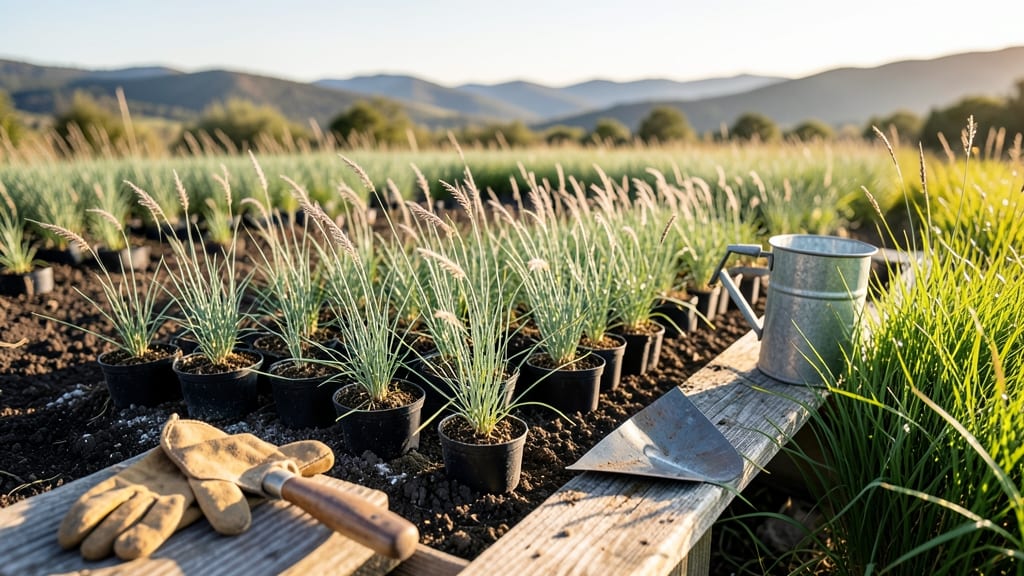
If you're planting buffalo grass in Kansas, timing is everything—get it wrong, and your lawn could fight to survive through brutal winters or sweltering summers. The late summer to early fall window (August-September) gives this hardy grass the best shot at deep root growth before frost hits.
Why does this matter? Unlike Kentucky bluegrass, buffalo grass thrives on Kansas' 5b-7a climate because it establishes roots when soil temps cool but before winter dormancy. Plant too early, and summer heat zaps moisture; too late, and frost stunts growth.
I'll break down the exact frost-free dates for your region and how to prep soil for maximum success.
You might think spring planting works, but buffalo grass hates competition from weeds and needs consistent moisture—something Kansas summers make tricky. The key is planting when daytime temps dip below 90°F but nights stay above 55°F, giving seeds the perfect balance of warmth and moisture.
Let’s dive into the science-backed schedule that’ll have your buffalo grass 🌱 thriving year after year, with zero guesswork.
You’ll learn how to read your local frost dates, adjust for microclimates (like Wichita vs. Kansas City), and even compare it to Kentucky bluegrass planting—because not all grasses play by the same rules in the Sunflower State.
Kansas buffalo grass planting timeline: frost-free dates & soil temperature guide
Timing your buffalo grass planting in Kansas means balancing soil warmth and frost-free windows. The ideal window spans from late summer to early fall, when soil temperatures consistently hit 55°F or higher—the threshold for germination.
Kansas’ USDA zones 5b-7a create regional variations, so I’ll break down the best months for each area.
Most Kansas gardeners aim for August through September, but early July plantings work in Zone 7a areas like Kansas City. The key is avoiding late summer heatwaves that dry out seeds before roots establish. Let’s dive into the frost-free dates that dictate your timeline.
| Zone | Avg Last Frost | Avg First Frost | Ideal Planting Window | Soil Temp Threshold |
|---|---|---|---|---|
| 5b (Northwest KS) | April 10 | October 5 | Late August - Early Sept | 55°F+ (consistently) |
| 6a (Central KS) | April 15 | October 15 | Mid-August - Mid-Sept | 55°F+ (consistently) |
| 7a (Southeast KS) | April 20 | October 25 | Late July - Early Sept | 55°F+ (consistently) |
For Wichita (Zone 6a), aim for mid-August when daytime highs dip below 95°F.
In Topeka (Zone 6a), early September gives seeds 6-8 weeks to root before frost. Kansas City (Zone 7a) gardeners can start as early as late July—just monitor soil moisture closely during Kansas’ infamous summer droughts.
Pro tip: Use a soil thermometer to verify temperatures. Buffalo grass seeds won’t germinate below 55°F, even if the air feels warm. I’ve seen many Kansas gardeners rush planting in June only to watch seeds fail when soil stays cool from winter moisture.
If you’re in western Kansas, where Zone 5b dominates, wait until late August to avoid early fall freezes. Eastern Kansas’ longer growing season lets you push into early September, but don’t wait past September 15—roots need 4-6 weeks to establish before winter dormancy.
Remember: Buffalo grass thrives on heat tolerance and drought resistance, but young seedlings need consistent moisture. Plan your planting to give them 60-75 days of warm soil before the first frost hits your zone.
That’s how you build a hardy Kansas lawn that outlasts both summer heat and winter cold.
For overseeding or patch repairs, you can extend the window to early October in Zone 7a, but expect slower establishment. The trade-off? Less competition from weeds and crabgrass in spring.
🌱
5 Critical factors that determine the best planting month in Kansas
Planting buffalo grass in Kansas isn’t just about picking a month—it’s about aligning with 5 key factors that ensure survival through extreme heat and cold. Let’s break down what truly matters for your buffalo grass seeds to thrive.
First, the average last frost date in your Kansas zone dictates your planting window. Most regions see their last frost between April 10-20, but soil temperature must reach 55°F+ for germination.
In Zone 5b, wait until mid-May; in Zone 7a, you can plant as early as late April.
Second, summer heat tolerance is critical—buffalo grass loves Kansas’ sun but needs to establish roots before the peak July-August heat. Planting in late summer (August-September) gives seedlings time to root before winter.
Third, drought resistance means less watering, but timing matters. Planting too late in fall risks weak root development before frost. Aim for 6-8 weeks before first frost (typically early September in most of Kansas).
Fourth, seed viability drops if stored too long. Buy fresh seeds and plant within 1-2 years of packaging. Stale seeds struggle to germinate in Kansas’ dry, hot summers.
Finally, microclimates matter—eastern Kansas (like Topeka) has cooler summers, while western areas (like Wichita) bake earlier. Adjust your window by 1-2 weeks based on local heat patterns.
🌱 Critical Planting Factors for Kansas
- Soil Temp: Wait until 55°F+ (mid-May for Zone 5b, late April for Zone 7a).
- Last Frost: Plant 4-6 weeks after to avoid early cold snaps.
- Heat Tolerance: Avoid planting in June-July—prioritize August-September.
- Drought Readiness: Seedlings need 6-8 weeks to root before winter.
- Seed Freshness: Use seeds 1-2 years old max for best germination.
- Microclimate: Adjust by 1-2 weeks for eastern vs. western Kansas.
If you plant too early, seedlings may bake in summer heat. Too late, and they won’t root before frost. Balance these factors, and your buffalo grass will outperform Kentucky bluegrass in Kansas’ drought-prone climate. 🌡️