
Plants
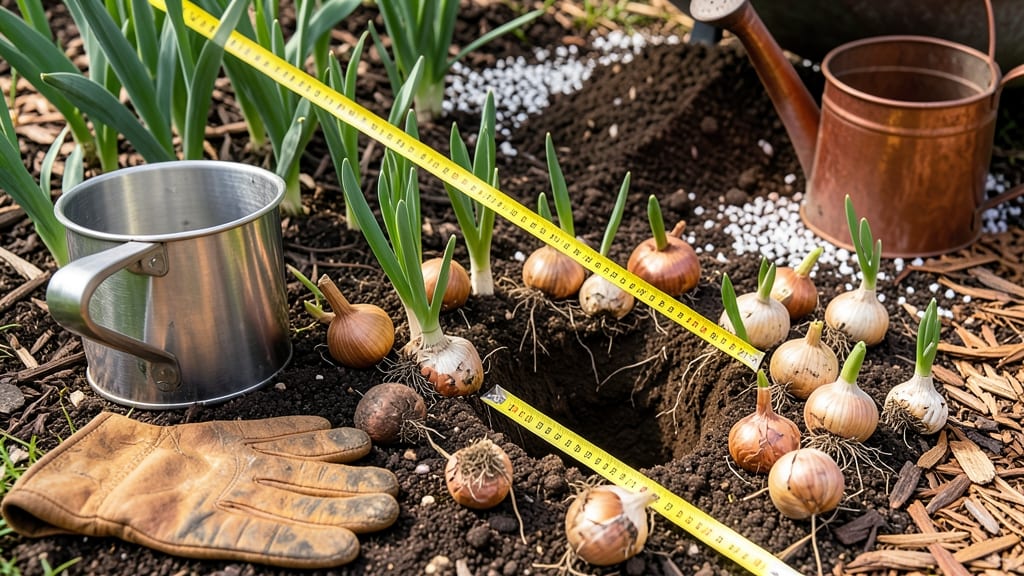
Timing your spring bulb planting perfectly can mean the difference between a garden bursting with color and one that barely makes an appearance.
Most gardeners assume spring is the only window—but the truth is, the best time to plant these 🌷 beauties is actually late summer to early fall, giving them months to establish roots before winter.
I’ve learned the hard way that planting too early can leave bulbs vulnerable to frost, while waiting too long might stunt their growth. The key is aligning your schedule with soil temperatures and moon phases, which surprisingly can boost bloom size and vibrancy.
Whether you’re in USDA Zone 6 or another region, this guide will help you avoid common mistakes and maximize your garden’s potential.
You might think moon phase timing is just an old gardener’s trick, but science backs up the idea that planting during the right lunar cycle can enhance root development.
Let’s break down the best practices, from choosing the ideal window to caring for your bulbs post-planting—so you can enjoy a showstopping display next spring.
Ready to transform your garden? By the end of this, you’ll know exactly when to plant for stronger blooms, how to adjust for your climate, and even how to troubleshoot if things don’t go as planned. Let’s get started!
Best moon phases for planting spring bulbs in 2024
Most gardeners focus on spring planting timelines, but the moon phases can actually influence how well your spring bulbs establish roots and bloom. Research shows that planting during the waxing moon (when the moon is growing brighter) encourages root development, while the waning moon (when it’s shrinking) supports foliage growth.
For tulips, daffodils, and hyacinths, timing matters just as much as soil temperature.
In 2024, the optimal windows for spring bulb planting align with the waxing gibbous phase, typically occurring 3-5 days before the full moon. This phase boosts root growth, helping bulbs anchor before spring rains.
For example, if your last frost date is April 15, aim to plant bulbs during the waxing moon in late March to give roots a head start.
However, don’t stress over perfect alignment—soil temperature (ideally 50-60°F) and moisture levels matter more than the moon. If your region has late springs (like USDA Zone 4), wait until the waning crescent moon in early April, when soil warms faster.
🌱
| Bulb Type | Best Moon Phase | Soil Temp | Planting Window |
|---|---|---|---|
| Tulips | Waxing Gibbous | 50-60°F | Late March (Zones 5-8) |
| Daffodils | Waning Crescent | 45-55°F | Early April (Zones 3-7) |
| Hyacinths | First Quarter | 55-65°F | Mid-April (Zones 6-9) |
| Allium | Full Moon | 60-70°F | Late April (Zones 4-8) |
For tulips, the waxing gibbous phase in late March (when soil reaches 50-60°F) is ideal for root establishment.
In contrast, daffodils thrive when planted during the waning crescent in early April, as they tolerate cooler soils better. Hyacinths, which need warmer conditions, should go in during the first quarter moon in mid-April.
If you’re in a warmer climate (Zones 8-10), adjust your timing by 2-4 weeks later. For example, Allium bulbs planted under a full moon in late April will bloom later but with larger, more resilient flowers.
Always check your local frost dates—planting too early risks frost damage to emerging shoots.
Pro tip: Use a moon phase calendar (like Farmers’ Almanac) to track the best dates for your region. Even a 2-day difference can mean the difference between weak blooms and vibrant, long-lasting flowers.
🌿
Remember, the moon’s influence is just one piece of the puzzle. Pair your lunar timing with well-draining soil and proper bulb depth (typically 6-8 inches deep) for the best results.
Over time, you’ll notice healthier foliage and bigger blooms when you align planting with both soil conditions and moon phases.
✨
Spring planting timeline by bulb type and hardiness Zone
Planting spring bulbs at the right time ensures vibrant blooms and healthy growth. Most gardeners focus on moon phases, but hardiness zones and soil temperatures play an even bigger role. For example, tulips thrive in USDA Zones 3-8, while daffodils do best in Zones 4-9.
Timing varies by region—early spring in Zone 6 means waiting until mid-April, while Zone 8 gardeners can plant as late as February.
Your local last frost date is the key benchmark. Plant bulbs 6-8 weeks before frost to allow roots to establish. In colder zones (3-5), aim for late September to early October—this gives bulbs time to root before winter.
Warmer zones (7-10) can plant until November, but avoid planting too close to frost, as bulbs need consistent chilling to bloom.
Here’s how to align your planting with bulb types and zones for maximum success:
| Bulb Type | USDA Zones | Planting Window | Soil Temp Cue |
|---|---|---|---|
| Tulips | 3-8 | Late Sept–Nov | Below 60°F (15°C) |
| Daffodils | 4-9 | Oct–Dec (Zone 7+) or Sept (Zone 4-6) | Below 55°F (13°C) |
| Hyacinths | 3-8 | Sept–Oct | Below 65°F (18°C) |
| Alliums | 4-9 | Sept–Nov | Below 60°F (15°C) |
Common mistakes like planting too early or too late can stunt growth. For instance, planting tulips in warm soil (above 60°F) causes them to sprout prematurely, only to die in frost.
Conversely, planting too late (after November in Zone 6) may leave bulbs vulnerable to winter heaving. Always check your local frost dates and adjust accordingly.
After planting, mulch with 2-3 inches of organic matter (like straw or shredded leaves) to insulate bulbs and retain moisture. This step is critical in Zone 3-5, where winters are harsh. In milder zones (7-10), a light mulch suffices—just enough to protect from occasional cold snaps.
Pro tip: Mark your planting spots with biodegradable flags to avoid disturbing bulbs next spring. This is especially helpful in mixed beds where you might forget where you planted.
With the right timing and care, your bulbs will reward you with bold, early-season color that brightens up even the dreariest winter gardens.