
Plants
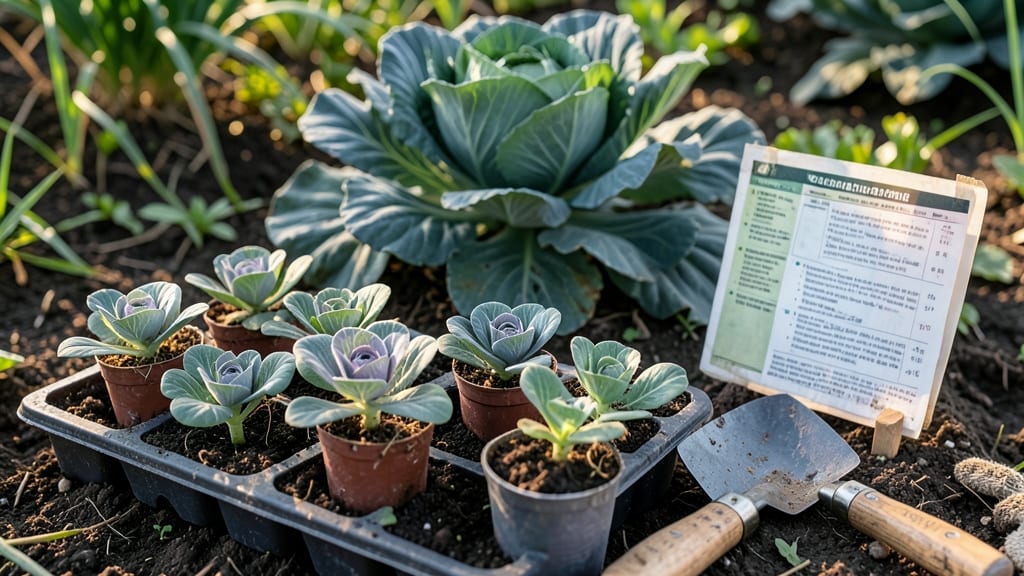
Timing your 🥬 cabbage planting in Zone 5 can mean the difference between a bumper harvest and bitter disappointment. If you've ever watched your cabbage bolt or struggle in the heat, you're not alone—most gardeners miss the sweet spot between frost and summer's relentless sun.
Here's the secret: Zone 5 gardeners have two prime windows to plant cabbage—early spring and late summer—each with its own tricks to avoid common pitfalls.
I'll show you exactly when to start seeds indoors, when to transplant hardened-off seedlings, and how to stretch your harvest window from June all the way through November.
We'll also cover the cold-hardy varieties that thrive in Zone 5's temperature swings, plus how to prevent bolting through simple soil and watering hacks. Whether you're a first-time gardener or a seasoned pro, these timing strategies will help you grow cabbage that's sweet, crisp, and ready to harvest.
The best part? With the right approach, you can enjoy fresh cabbage rolls in summer and hearty stews in fall—all from your own backyard. Let's get started with the exact months and methods that work in Zone 5.
Zone 5 cabbage planting schedule: exact months for seed starting, transplanting & fall harvests
In Zone 5, timing is everything for growing cabbage. Plant too early, and you risk bolting from heat stress. Plant too late, and your harvest shrinks before frost. The key is to align your planting with cool-season windows—either early spring or late summer—for sweet, crisp heads.
Cabbage thrives when daytime temperatures stay below 75°F. In Zone 5, that means focusing on March-April sowing for spring harvests or July-August transplanting for fall crops. Missing these windows often leads to bitter, loose heads or wasted effort.
Here’s the exact schedule I follow to guarantee success, including seed-starting dates, transplanting deadlines, and harvest timelines tailored to Zone 5’s 165 frost-free days.
| Stage | Action | Zone 5 Timing | Key Notes |
|---|---|---|---|
| Indoor Seed Starting | Sow seeds | Mid-February to early March | 6-8 weeks before last frost (mid-May) |
| Hardening Off | Acclimate seedlings | Late April | Gradually expose to outdoor temps for 1 week |
| Transplant Outdoors | Move seedlings | Early to mid-May | After soil reaches 50°F; space 18-24" |
| Spring Harvest | Pick heads | June to August | 75-100 days after transplanting |
| Late Summer Sowing | Direct-seed | Late July | For fall harvest; choose fast-maturing varieties |
| Fall Transplant | Move seedlings | Early August | 60 days before first frost (mid-October) |
| Fall Harvest | Pick heads | September to October | Before hard frost; can overwinter with mulch |
For spring planting, I start seeds indoors in February to give them a head start. By mid-May, when the last frost has passed, my seedlings are ready to transplant into the garden. This timing ensures heads form before summer heat triggers bolting.
In late summer, I switch to direct sowing or transplanting cold-hardy varieties like 'January King' in July-August. These varieties mature quickly—often in 60-75 days—so they’re ready for harvest before the first frost in mid-October.
Pro tip: Use row covers or cold frames to extend your fall harvest into November. This simple trick adds 3-4 extra weeks of growing time in Zone 5’s short season.
If you miss these windows, don’t despair! Some cabbage varieties (like 'Golden Acre') tolerate slightly warmer soil, giving you a second chance in early June. Just be prepared for slower growth and smaller heads.
Remember, soil temperature matters just as much as air temperature. Cabbage roots thrive in soil that’s at least 50°F. Use a soil thermometer to check before transplanting—cold soil delays growth and increases disease risk.
Zone 5 cabbage planting schedule: exact months for seed starting, transplanting & fall harvests
In Zone 5, timing is everything for cabbage—plant too early, and you risk bolting from heat; too late, and frost stunts growth. The sweet spot? Two planting windows: early spring and late summer.
My Zone 5 garden thrives with March-April sowings for summer harvests and July-August transplants for fall yields.
Cabbage loves cool weather, so aim to have mature plants by mid-June for summer harvests or transplant 6-8 weeks before first frost (typically early August) for fall crops. Frost tolerance varies by variety—some handle 20°F, while others bolt at 75°F.
🌱 Zone 5 Cabbage Planting Timeline
| Stage | Action | Key Notes |
|---|---|---|
| Indoor Seed Start | March 1-15 | 6-8 weeks before last frost |
| Outdoor Transplant | April 15-May 10 | After soil reaches 50°F |
| Direct Sowing | April 1-May 15 | For heat-tolerant varieties |
| Fall Transplant | July 15-August 15 | 6-8 weeks before first frost |
| Harvest Window | June-October | Spring: 75-100 days; Fall: 60-80 days |
For spring plantings, start seeds indoors by March 1st and transplant after last frost (usually mid-May). Use shade cloth if temperatures exceed 80°F to prevent bolting. My Golden Acre cabbages bolted last summer when I missed this step—don’t make my mistake!
Fall plantings are trickier but rewarding. Transplant July 15-August 15 for harvests before first frost (typically mid-October). Choose cold-hardy varieties like 'January King', which survives 20°F and tastes sweeter after frost. Mulch with straw to insulate roots.
Pro tip: Succession plant every 2 weeks in spring and 3 weeks in fall to stagger harvests. This extends your cabbage season from June to November in Zone 5. Just remember—consistent moisture is key to preventing bitter flavors and bolting.
If you’re new to cabbage, start with 6-8 plants to test your timing. My first attempt in Zone 5 left me with half-bolted heads—now I follow this schedule religiously. With the right timing, you’ll enjoy crisp, sweet cabbage all season long! 🥬