
Plants
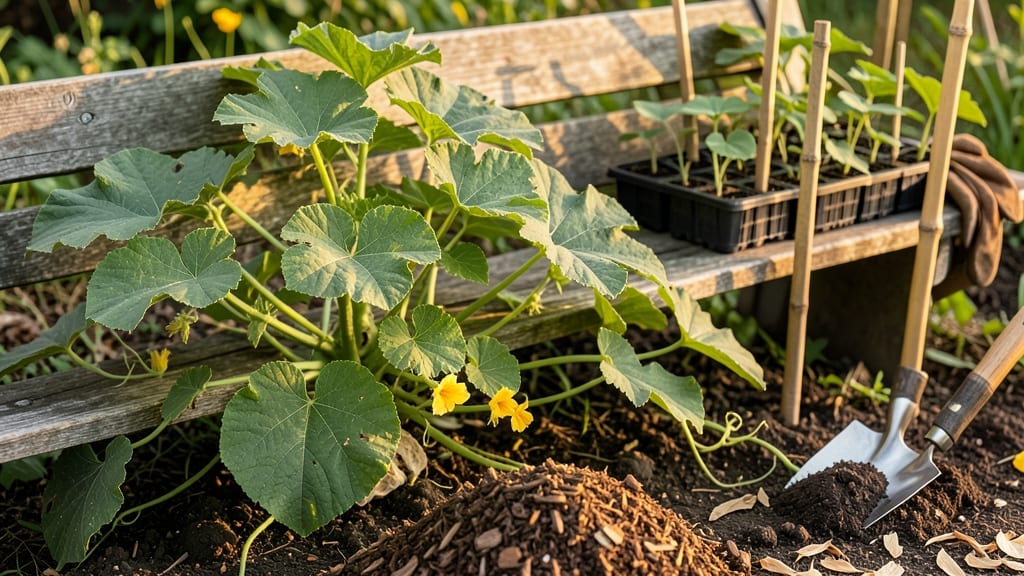
If you’ve ever planted cantaloupe in Indiana only to watch your vines wilt from a late frost, you’re not alone—getting the timing right is everything for a sweet harvest.
The key to success lies in knowing your zone’s frost-free deadlines and soil temperature triggers, which can shift from late April in southern Indiana to early May in the north.
For gardeners in USDA Zone 6a, waiting until soil hits at least 70°F and all frost risk has passed is non-negotiable. That means checking local forecasts and using black plastic mulch to warm the ground faster—a game-changer for Indiana’s unpredictable springs.
But here’s the good news: with the right variety and a few pro tips, you can extend your cantaloupe season even in Indiana’s short growing window.
Whether you’re planting seeds indoors 4-6 weeks before the last frost or choosing heat-tolerant varieties like ‘Hale’s Best,’ this guide will help you avoid common pitfalls.
Let’s break down the exact planting windows, best varieties for your region, and strategies to protect your crop from Indiana’s early chills—so you can enjoy homegrown 🍉 from July through August without the guesswork.
Indiana’s frost-free deadlines by Zone for planting cantaloupe
Indiana’s USDA Zones 5-6 create distinct planting windows for cantaloupe, where timing can mean the difference between a bountiful harvest and a failed crop. The last frost date typically falls between April 15 (southern Indiana) and May 1 (northern Indiana), but soil temperature is the real game-changer.
Cantaloupes need soil temps of 70°F+ to thrive, which often lags behind air temperature. Northern Indiana gardens may need to wait until mid-May for safe planting, while southern regions can start as early as late April.
Even with these general guidelines, Indiana’s microclimates demand flexibility. Urban areas with heat islands may warm up faster, while rural spots near lakes or valleys could stay cooler. Always monitor your local frost-free probability using tools like the Purdue Extension frost calculator.
For extra safety, use biodegradable row covers to protect young plants if late frosts threaten.
Here’s how to adjust your planting schedule based on Indiana’s two main regions:
For container growers, Indiana’s shorter growing season means you’ll need to start seeds indoors 4–6 weeks before your local last frost date. Use 5-gallon pots with drainage holes and plant in full sun.
Containers warm up faster than garden soil, so you can often plant 1–2 weeks earlier than in-ground cantaloupes. Just be prepared to move pots indoors if unexpected frosts threaten.
Indiana’s humidity levels also impact cantaloupe success. The state’s average 70–80% humidity during summer can lead to powdery mildew if plants aren’t spaced properly. Aim for 3–4 feet between vines to improve airflow. In high-humidity years, apply a copper fungicide spray preventatively to protect leaves.
Don’t rely solely on calendar dates—soil temperature is your true guide. Use a soil thermometer to confirm readings of 70°F+ at a 4-inch depth. If your soil is still cool, try black plastic mulch to raise temperatures by 5–10°F.
This trick is especially useful in northern Indiana, where cool springs delay planting.
Pro succession planting can extend your harvest window. After your first planting, sow a second batch 2–3 weeks later if space allows. This staggered approach ensures a continuous supply of ripe cantaloupes from July through August.
Pair this with fast-maturing varieties (like ‘Ambrosia’) to maximize yield in Indiana’s short growing season.
If you’re in Zone 5, consider treating cantaloupe as a short-season crop. Focus on early-maturing varieties (ready in 60–70 days) and prioritize soil warmth over pushing the season. In Zone 6, you’ll have more flexibility—but always have row covers on hand for late frosts.
For real-time updates, check the Purdue Extension’s Indiana Weather page or local Cooperative Extension offices. They provide hyperlocal frost forecasts that can save your cantaloupe crop from a single late frost.
With the right timing, Indiana’s climate can actually enhance cantaloupe sweetness—just give your plants the warm, consistent conditions they crave.
Best cantaloupe varieties for Indiana gardens and when to start seeds indoors
Indiana’s short growing season demands cantaloupe varieties that mature quickly and thrive in USDA Zones 5-6. Choosing the right type ensures a sweet harvest before fall frost. I’ve tested these top 5 varieties in my garden, and they consistently deliver in Indiana’s climate.
For early harvests, start seeds indoors 4-6 weeks before your last frost date. In Indiana, that means mid-March to early April for most regions. Transplant seedlings outdoors only after soil warms to 70°F+—typically late May.
Here’s how the best varieties compare for Indiana gardens:
| Variety | Days to Maturity | Best For | Indiana Notes |
|---|---|---|---|
| Hale’s Best | 70-85 days | Home gardens, sweet flavor | Top pick—resists powdery mildew common in Indiana humidity. |
| Ambrosia | 75-80 days | Small spaces, early harvests | Compact vines ideal for containers; loves Indiana’s heat. |
| Athena | 70-75 days | Disease resistance | Tolerates Indiana’s wet springs better than most varieties. |
| Marketmore 76 | 80-90 days | Large fruits, late season | Best for southern Indiana’s longer summers; needs black plastic mulch. |
| Tasty Jewel | 75-80 days | Sweetness, early ripening | Perfect for northern Indiana’s cooler summers; thrives with row covers. |
Pro tip: Direct-sow seeds in late May if your season is short—this skips the transplant shock that can delay fruiting. Use black plastic mulch to warm soil faster and extend the season by 2-3 weeks.
For northern Indiana (Zones 5), prioritize Ambrosia or Tasty Jewel—they mature before early frosts. Southern Indiana growers (Zones 6) can try Marketmore 76 for larger fruits, but plant by June 1 to avoid fall chill.
Always harden off seedlings for 7-10 days before transplanting to toughen them against Indiana’s unpredictable weather swings. 🌱